Berlin’s Iconic Concert Hall Needs a Costly Overhaul
Outdated fire protection, aging cables and clogged pipes have made a fundamental restoration of the Berliner Philharmonie unavoidable. What are the implications?
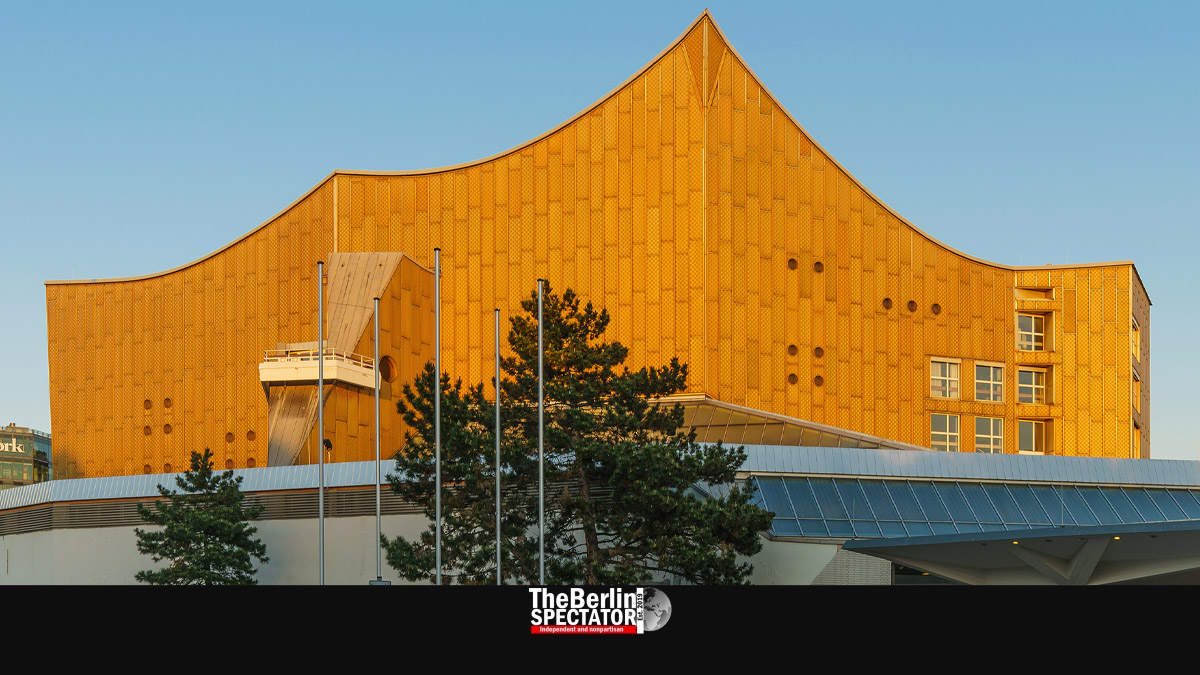
Berlin’s world-renowned Berliner Philharmonie, an iconic concert hall, is set to undergo an extensive renovation totaling around 800 million Euro. This comes after a feasibility study commissioned by the Berlin Philharmonic revealed the need for a fundamental overhaul, given that the hall has not seen significant renovations since its opening in 1963.
The project is expected to commence in 2032 and could span until 2040, during which the orchestra would require an alternative venue, with former Tempelhof Airport being a potential site. However, converting the airport would add substantial costs, pushing the total renovation cost over one billion Euro. Issues at the Philharmonie include outdated fire protection systems, outdated climate control and cabling, and clogged pipes causing sanitary problems.
The orchestra's general manager, Andrea Zietzschmann, stressed that daily operations could no longer be guaranteed without interruption from 2032 or 2033 at the latest. Currently, federal and state governments have pledged up to 600 million Euro, but a decision from the next Berlin state government is urgently needed within the next six months to avoid further delays.
The renovation budget for the Great Hall, designed by architect Hans Scharoun, and the smaller Chamber Music Hall, which opened in 1987, is estimated at 436 million Euro and 307 million Euro, respectively. The orchestra’s musicians are concerned about the potential loss of their home, whose unique acoustics are considered unparalleled.
Written by urgent.news from The Berlin Spectator's reporting — not their text. Machine-written — may contain errors; check the original before relying on it.