Becoming fully renewable energy-based by 2040 may be challenging for Keralam: study
Keralam will need at least 27 gigawatts of renewable capacity addition to meet the 2040 electricity demand purely from renewables, hydro and nuclear without any thermal power support, according to a study by WRI India
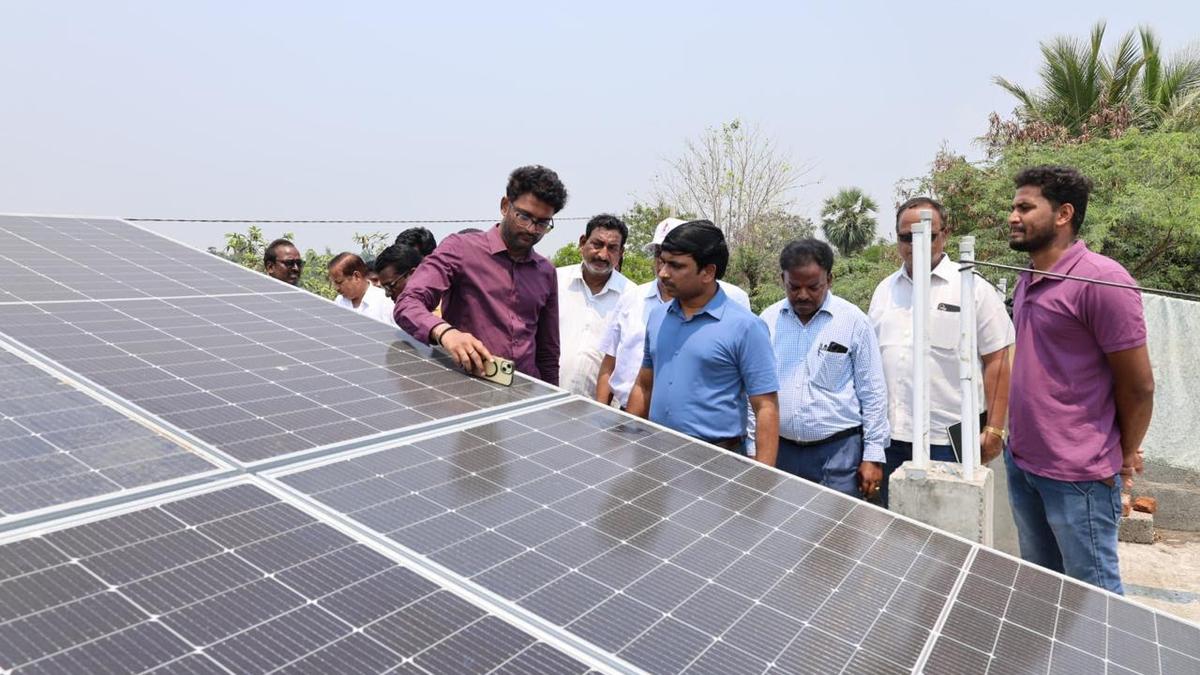
A new study suggests that becoming a fully renewable energy-based state by 2040 may be a challenging task for Kerala. To achieve this goal, the southern state would need to add at least 27 gigawatts of renewable capacity, including wind, solar, and small hydro power. This would require a significant financial investment of ₹64,890 crore, which is 96% higher than the current business-as-usual scenario.
Currently, around 60% of Kerala's electricity demand is met by thermal power plants located in other states, while only 7% is generated from renewable sources. To support a 100% renewable energy transition, the study recommends a multi-pronged strategy that includes rapid deployment of diverse renewable technologies, long-term renewable power purchase agreements with out-of-state generators, and adoption of decentralized renewable energy solutions.
The report considers three scenarios, including a business-as-usual approach, a high renewables scenario, and a low thermal scenario. Under the business-as-usual scenario, Kerala would meet its electricity demand until 2035, but shortfalls are expected after that. In the high renewables scenario, renewable energy generation increases to 26%, but thermal power still makes up 37% of the total energy mix.
The low thermal scenario, where thermal power purchase agreements expire, could lead to significant electricity shortfalls by 2034. The study recommends increased private and international investment in Kerala's energy sector, as well as strengthened consumer participation in energy governance.
Written by urgent.news from The Hindu's reporting — not their text. Machine-written — may contain errors; check the original before relying on it.