Asia’s boardrooms risk missing the biggest cost of climate change: human health
Extreme heat is already draining worker productivity across Asia.
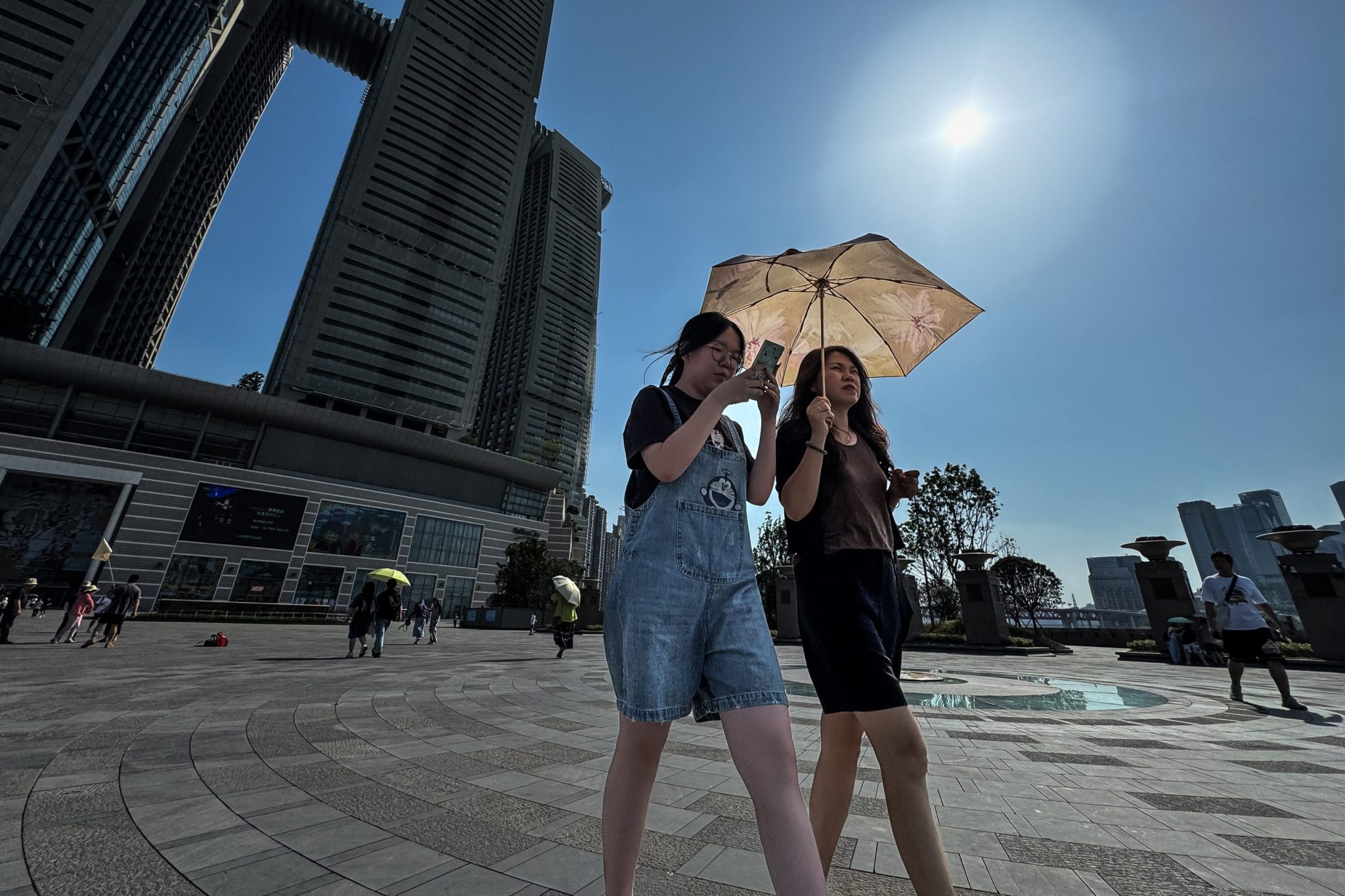
Asia's business leaders may be overlooking the most significant impact of climate change, which is the threat to human health. As prolonged heatwaves and extreme weather events become more frequent, the consequences extend far beyond healthcare systems. Rising temperatures can lead to heatstroke, dehydration, respiratory issues from air pollution, and injuries from natural disasters. These factors not only affect individual well-being but also impact workforce productivity.
Research from organizations like the World Health Organization (WHO) and the World Meteorological Organization (WMO) reveals that worker productivity declines as temperatures increase. The Lancet Countdown estimated that global labor losses due to heat exposure amounted to $1.1 trillion in 2024. However, the economic repercussions could be even more severe in Asia, where the region is warming at a faster rate than the global average.
The Singapore-ETH Center projects that economic losses in Singapore could reach approximately 2.2 billion Singapore dollars ($1.7 billion) by 2035 due to heat stress.
The convergence of climate change and health risks is further compounded by demographic and social trends. Asia's population is rapidly aging, with one in four people expected to be over the age of 60 by 2050. This demographic shift puts additional strain on healthcare systems. A study by the Asian Development Bank predicts that climate change could reduce GDP in developing Asia by nearly 17% by 2070, with reduced labor productivity being a major contributor.
To mitigate these mounting health and climate risks, business leaders must prioritize building climate-health literacy across organizations. Around 75% of companies now disclose board oversight of climate-related issues, a significant increase from just 6% six years ago. Climate-related health risks intersect with workforce strategy, operational resilience, business continuity, and long-term value creation, making them crucial topics for board and executive committees.
Second, leaders need to enhance workforce resilience by implementing practical measures. Employers should assess exposure to heat and poor air quality, adapt working hours or locations during extreme conditions, provide access to cooling and hydration, and incorporate climate-related illnesses and disruptions into business-continuity planning. These actions are particularly vital for Asia's large outdoor and operational workforces.
Lastly, leaders must invest in resilient systems. Healthy communities and functioning healthcare systems are essential economic infrastructure. Businesses rely on transportation networks, energy systems, and digital connectivity, just as they depend on healthcare facilities. Strengthening resilience requires collaboration between governments, healthcare providers, development institutions, and private capital.
Insurance companies, particularly life and health insurers, have a unique role in addressing these challenges. As providers of life and health coverage, they operate at the intersection of health, wellbeing, and long-term risk. Insurers can contribute research, engage with healthcare providers and governments, and collaborate with investors to deepen the understanding of how climate change affects health outcomes.
AIA, for example, is committed to achieving net-zero greenhouse gas emissions by 2050 and has developed a Climate Transition Plan to support this goal. The report "Climate and Health in Asia" highlights the urgent need for greater awareness, deeper research, and collaboration across sectors to better understand and address the growing intersection between climate and health.
Written by urgent.news from Fortune's reporting — not their text. Machine-written — may contain errors; check the original before relying on it.