Arivihan raises $10M as AI-led edtech targets India’s smaller cities
Arivihan will use the new capital to expand across states and CBSE, strengthen AI and vernacular capabilities, and broaden access to personalised learning.
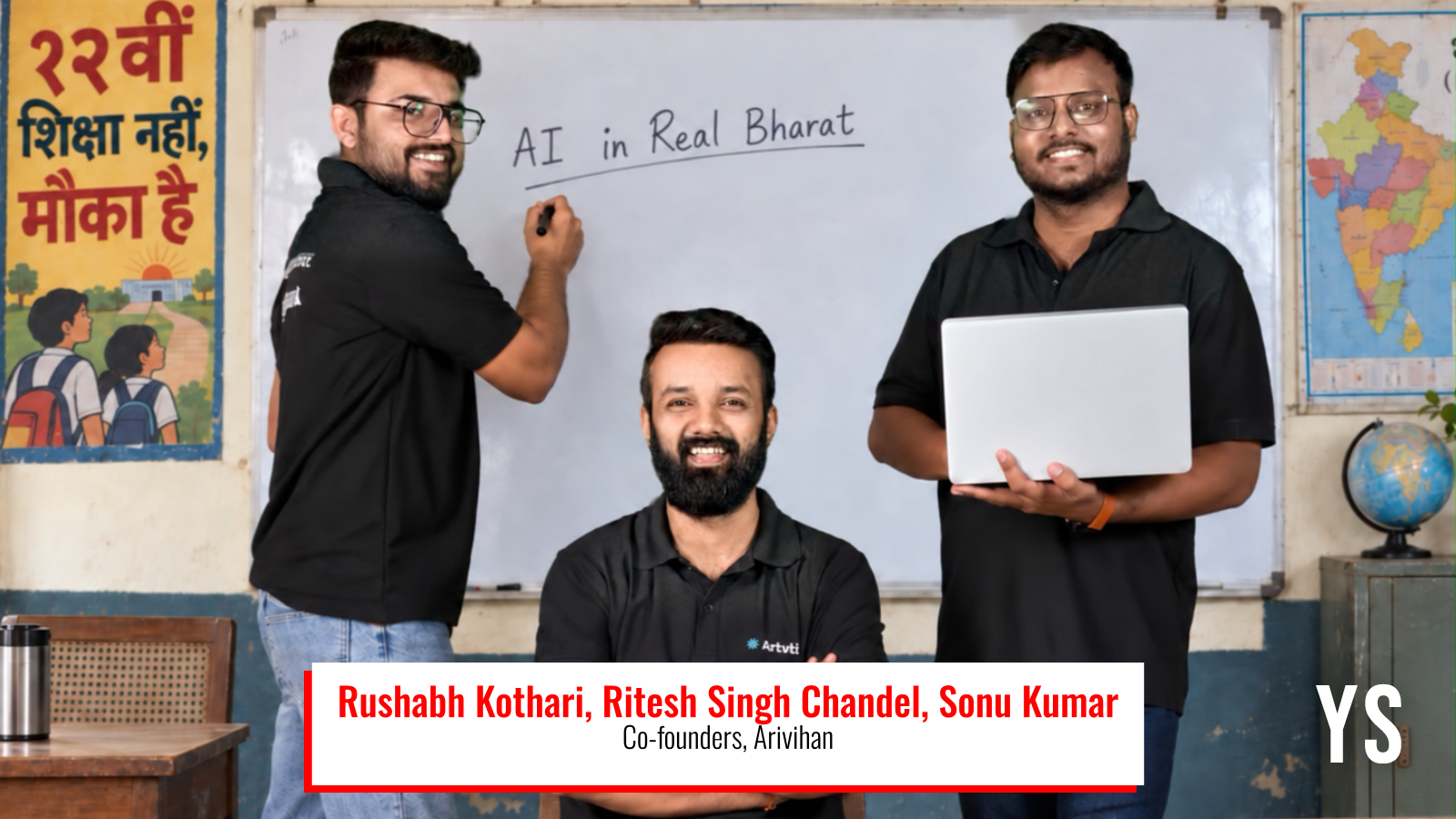
Arivihan, an AI-driven edtech platform serving school students, has secured $10 million in Series A funding. Co-led by Accel and Prosus Ventures, the investment is supplemented by additional $200,000 from GSF angel investors, bringing Arivihan's cumulative capital raised to over $15 million. The funds will be utilized to expand into new states and the CBSE board, bolster AI research, enhance vernacular capabilities, and bolster digital marketing and on-ground distribution.
Founded in 2022 by IIT Roorkee alumni Ritesh Singh Chandel, Sonu Kumar, and maths educator Rushabh Kothari, Arivihan has developed an automated tutoring platform featuring interactive video lessons, instant doubt resolution, and AI-driven personalized study plans. Currently catering to State Board, CBSE, and NEET learners, primarily Class 12 students in Tier II and III cities and rural areas, 80% of Arivihan's subscribers hail from Tier III cities and rural India.
Co-founder and CEO Chandel highlighted the company's objective to render the entire personalized learning system affordable for all students, emphasizing location and language as pivotal factors. The strategy aligns with the government's broader push towards AI in education, with initiatives such as the Bodhan AI Centre of Excellence and CBSE's computational thinking and AI curriculum for Classes III to VIII slated for the 2026-27 academic session.
The funding landscape for edtech is more selective than during the pandemic boom, with sector equity funding declining from $4.3 billion in 2021 to $214 million in the first eight months of 2026, despite an uptick in median round size to $1.1 million. Recent deals include Accenture-backed Elevate Education's $170 crore raise and Bengaluru-based Lytmus AI's nearly $5 crore funding for AI-powered NEET preparation and personalized AI mentors.
Arivihan aims to strengthen its footprint in Madhya Pradesh, Uttar Pradesh, Rajasthan, and Bihar, while also expanding its CBSE offering. Prosus investor Dhruv Gupta expressed confidence in Arivihan's AI-driven tutoring model, stating it is a game-changer for India at the grassroots level, enabling truly personalized online education comparable to bespoke and costly in-person coaching.
Accel's Anagh Prasad echoed this sentiment, acknowledging AI's potential to deliver personalized online education that rivals the effectiveness of expensive in-person coaching.
Written by urgent.news from YourStory's reporting — not their text. Machine-written — may contain errors; check the original before relying on it.