Apple Pay rolls out in India with Axis Bank
Apple sought a 0.2% cut per transaction as talks with major issuers continued.
Apple is set to launch its Apple Pay service in India on Tuesday, with Axis Bank as its first banking partner, according to sources. This move marks Apple's entry into India's payments market, which is currently dominated by the Unified Payments Interface (UPI) system. Apple Pay will initially be available on Axis Bank cards issued by Visa and Mastercard, but not on the RuPay network. The service will be limited at launch, with limited merchant acceptance.
Apple Pay is a card-based service that requires banks and payment infrastructure providers to integrate with the service, making a broad rollout more complex. Apple is seeking a 20 basis point fee on transactions, a significant portion of the roughly 40-50 basis point margin in the payments layer, which has emerged as a sticking point with Indian banks. Currently, HDFC Bank, ICICI Bank, and SBI Card are not expected to support Apple Pay at launch due to ongoing negotiations over commercial terms.
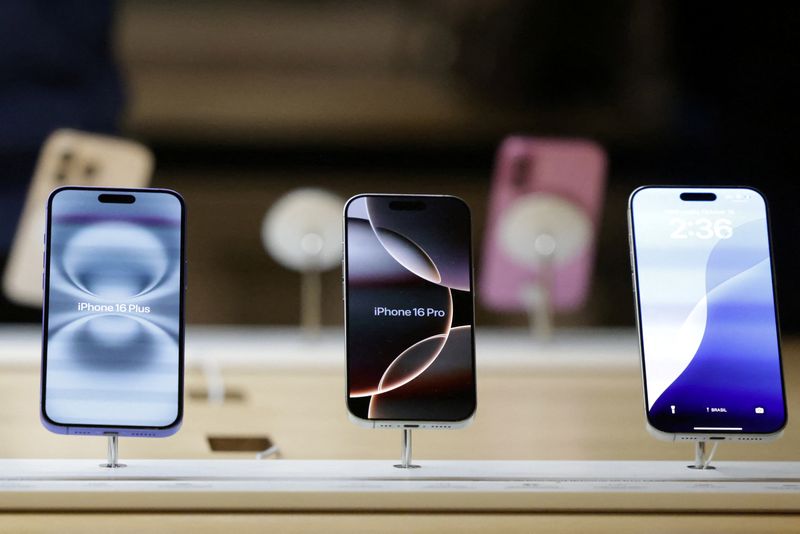
Apple's entry into India's payments market is significant as it aims to tap into the growing base of iPhone users in the country, who are more likely to use premium credit cards. Even if Apple Pay remains a niche service, it could still provide Apple with an additional monetization avenue for its iPhone users in India. The launch of Apple Pay could also help Apple increase its share of the smartphone market in India, which currently stands at 28% by value.
Written by urgent.news from TechCrunch's reporting — not their text. Machine-written — may contain errors; check the original before relying on it.
This story
This is one outlet's version. Read the fullest account.