Anglo-Saxons got special treatment in medieval Rome
A small hoard of medieval English coins found near the Vatican in Rome suggests that early English residents held a privileged status in the holy city
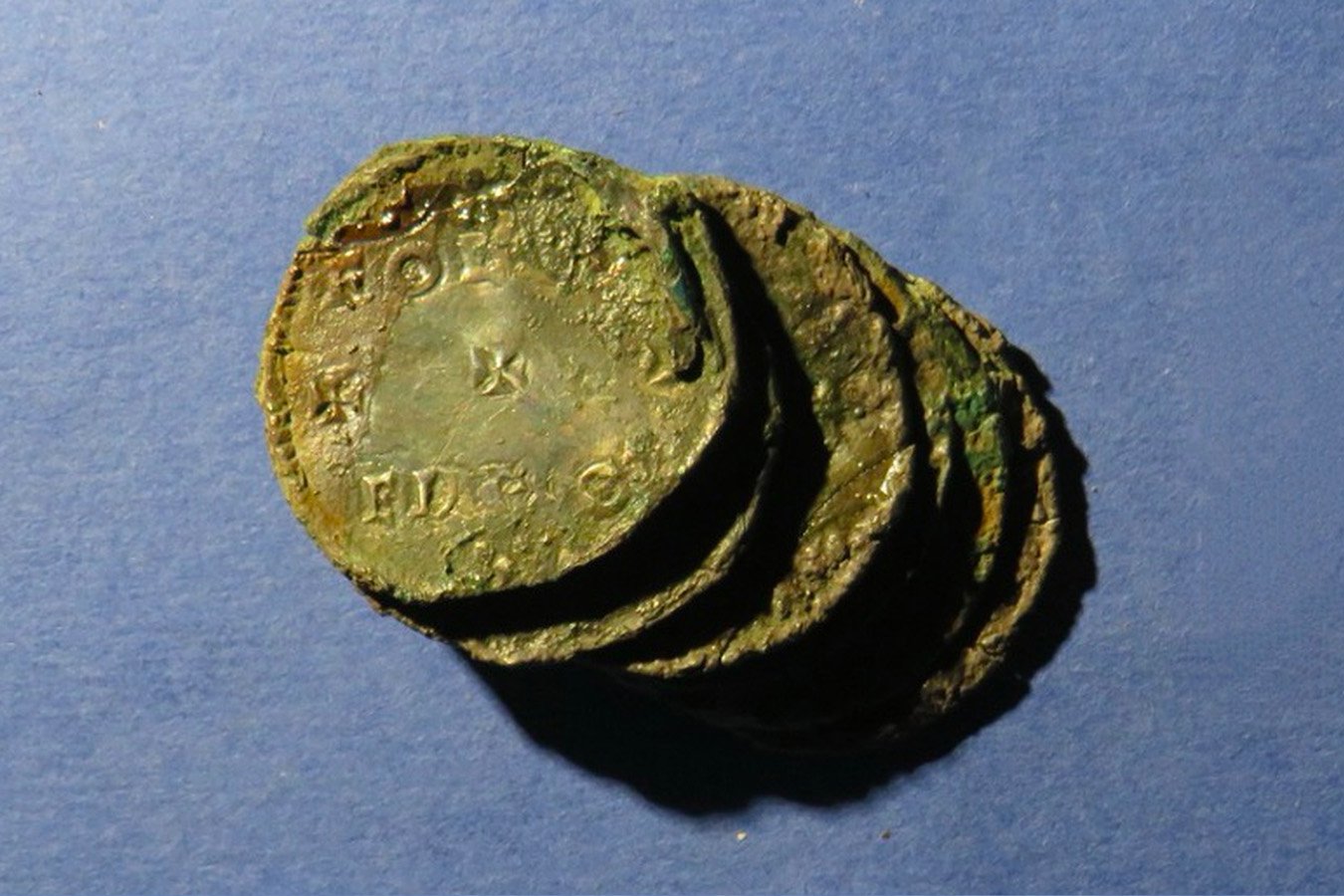
A recent discovery of early medieval coins in Rome has shed light on a special status granted to English travelers and expats during the medieval period. The coins, along with remnants of leather, bone, and metal items, were found at the Schola Saxonum, an area within the city dedicated to the English. The coins, some minted in the 10th century, suggest that the English had the right to use their own currency in certain parts of Rome, distinguishing them from other foreign nationals.
Rory Naismith, from the University of Cambridge, describes the English quarter in Rome as a lively community, akin to modern districts housing specific ethnic groups. The site, excavated since 2020, also yielded two Italian coins, six Roman bronze coins, and one unidentified bronze coin, all dating back to the same era. Many of the coins were fused together, making them difficult to identify, but those that could be read were from various regions of England, including East Anglia, Kent, London, and the West Midlands.
This find provides tangible evidence of the English quarter's existence, challenging previous assumptions that the papacy had banned foreign currencies in Rome. The discovery suggests that the English coins were widely used in the local economy alongside Italian coins. The findings are detailed in a book titled 'Rome and the Others (300-1000): Foreigners in the city between conflicts and integration'.
Written by urgent.news from New Scientist's reporting — not their text. Machine-written — may contain errors; check the original before relying on it.