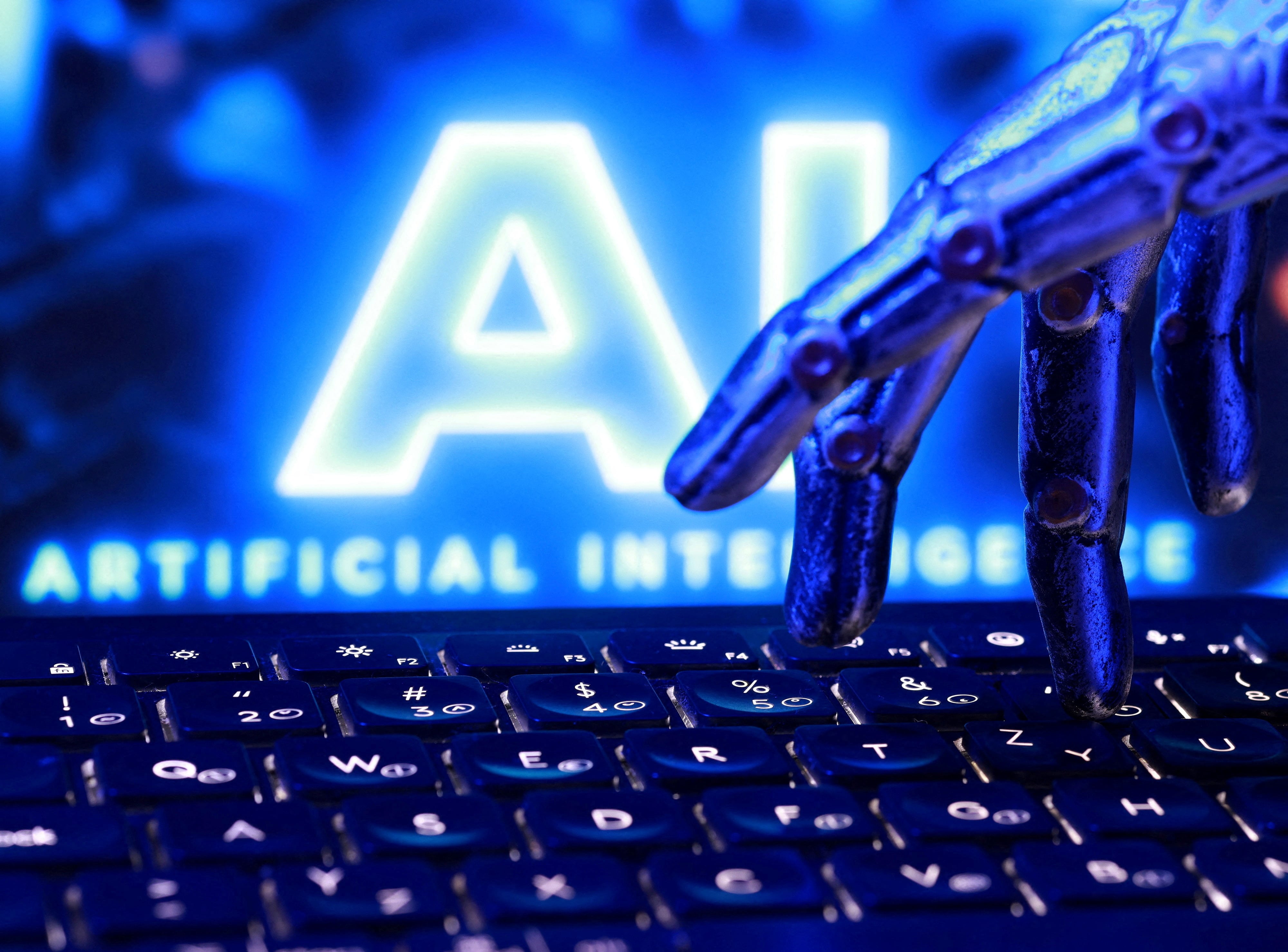
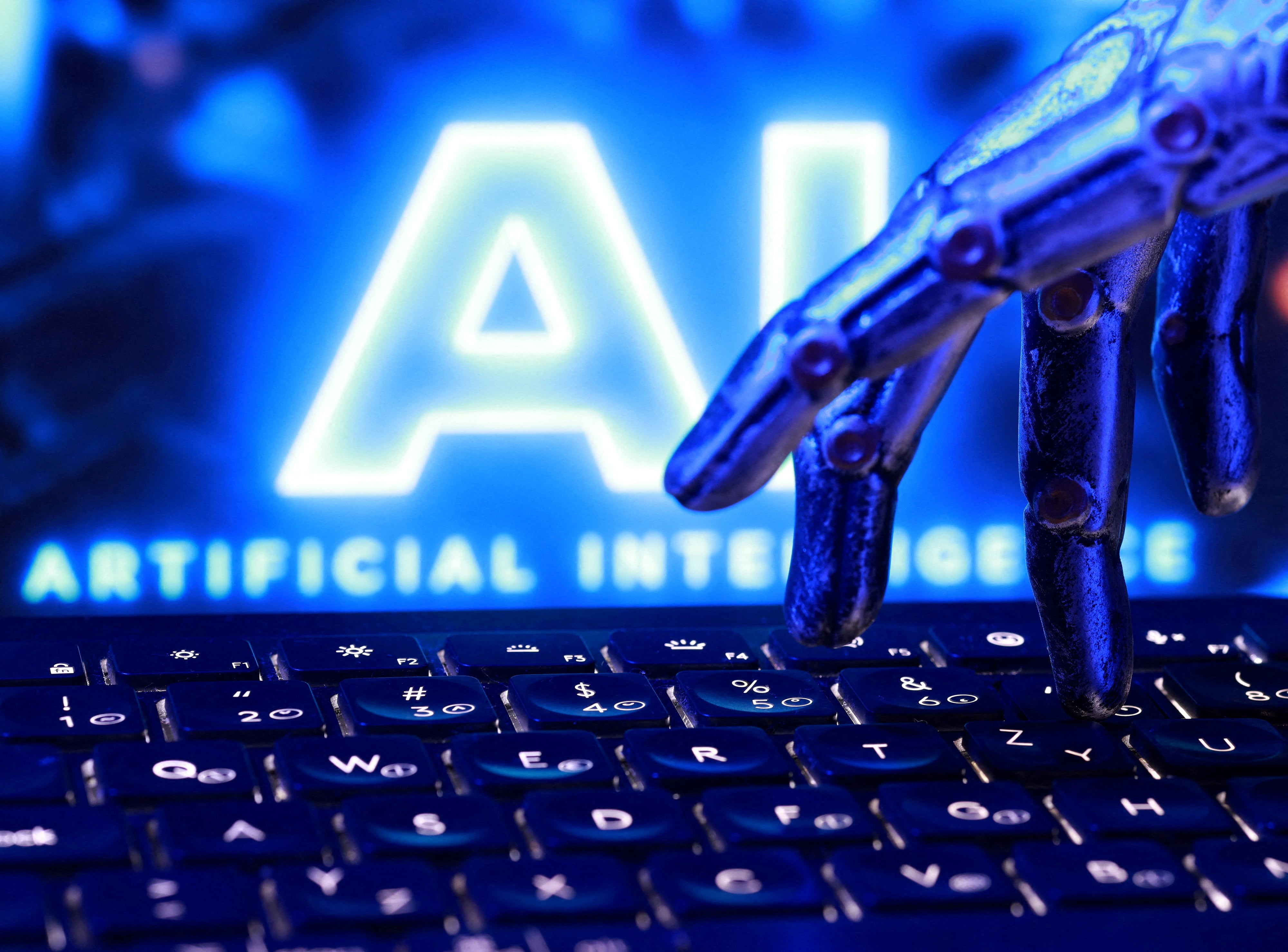
The waste spewed out by AI, 'slop' that has invaded the workplace [Eureka]
As concerns about artificial intelligence (AI) threatening humanity grow, the everyday reality being quietly overshadowed by AI-generated trash, or "slup," is becoming increasingly prevalent. The term "slup" originally referred to mud but now signifies low-quality digital content mostly produced by AI. This content includes repeating actions like cute cat videos or mysterious baseball goddesses, offering only fleeting interest before leaving viewers empty-handed.
South Korea is also experiencing this "slup" phenomenon, as demonstrated by a November report from video editing platform Capcan, which found that Korean users of popular AI-powered YouTube channels racked up 84.5 million views across 11 channels, making them the top viewers among all surveyed countries. The question remains: why does this matter?
A recent paper from Boston University's School of Law defines AI-generated content as "automated systems that produce output that undermines cultural zones, bearing a disproportionate burden on the recipient with minimal effort." While the cost of creating this content is near-zero, the recipient must bear the full cost of verification.
Slup also infiltrates the job market. A recent study by Stanford University's Social Media Research Laboratory and Verbite Labs, published in the Harvard Business Review, dubbed such AI-generated work output "work slup." Surprisingly, many of these AI-generated tasks yield minimal results, requiring an average of two hours to rectify.
Organizations that encourage AI usage often see this trend in their employees, with one in three Korean respondents to a WorkDay survey reporting spending 1-2 hours each week editing low-quality AI content. Collectively, this amounts to 37% of the time saved through AI being spent on fixing flawed AI-generated work. Despite this, companies continue to emphasize AI usage as a crucial evaluation factor.
As slup production increases, the importance of human judgment and discernment becomes even more critical. However, the greater challenge lies with companies themselves. Meta recently removed AI token usage from employee evaluations, emphasizing the need to determine what is verified by AI rather than simply increasing its usage.
If companies fail to establish boundaries on AI usage, the result will not be increased productivity but rather a growing mountain of slup.
Written by urgent.news from Hankyoreh's reporting — not their text. Machine-written — may contain errors; check the original before relying on it.
This story
This is one outlet's version. Read the fullest account.