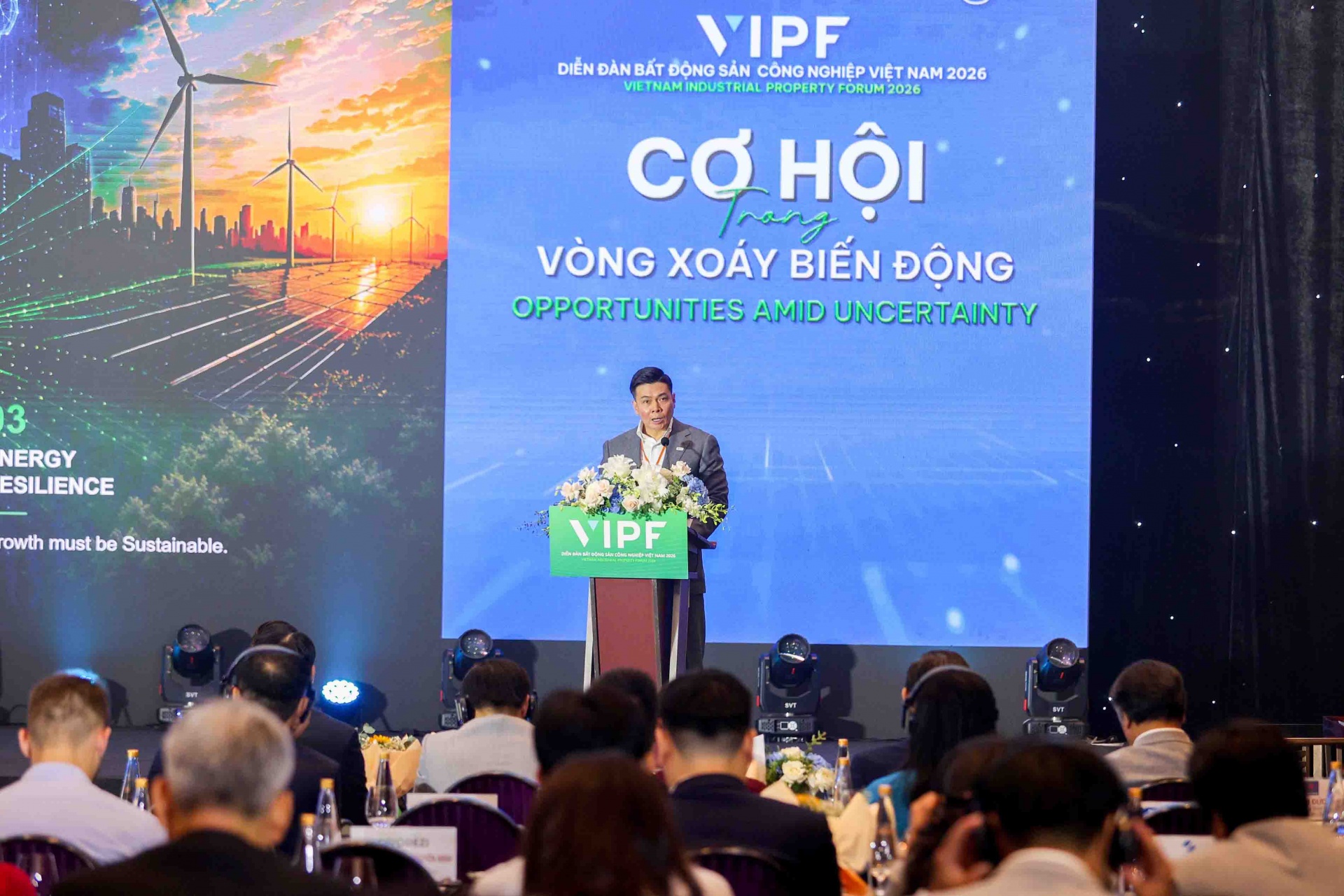
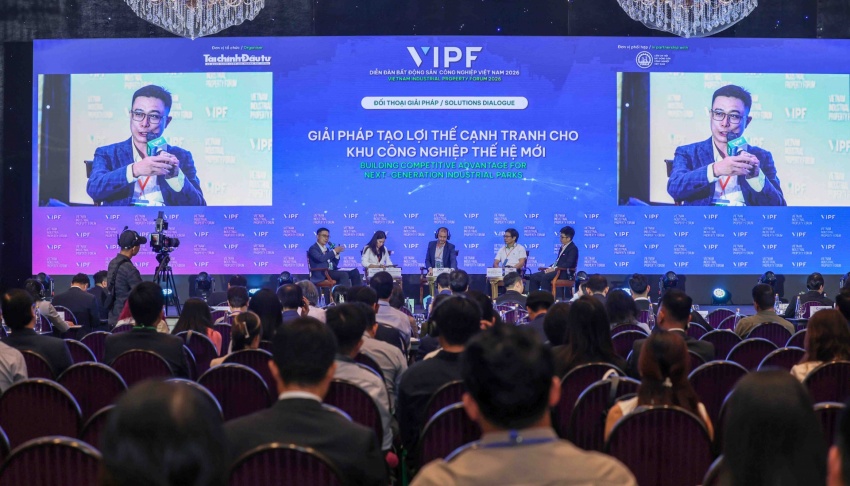
A competitive advantage for next generation industrial parks
At the third session of the sixth Vietnam Industrial Property Forum co organised by em Vietnam Investment Review em and the Vietnam Industrial Real Estate Association in Ho Chi Minh City on September 29 experts and business representatives discussed how to build competitive advantages for next generation industrial areas
The Global Eco-Industrial Parks Programme in Vietnam, led by Dr. Nguyen Tram Anh, highlighted the importance of next-generation industrial parks (IPs) in their third session of VIPF 2026. An IP is a production ecosystem that focuses on circular economy principles, resource efficiency, and cleaner production. Anh emphasized that these parks must also enhance ecosystem resilience through innovation, big data, AI, and digital transformation.
To achieve this, several elements must be integrated during the initial planning stage, including energy transition infrastructure, industrial symbiosis and circular economy infrastructure, carbon emissions monitoring and management systems, and integrated logistics infrastructure. Contract Logistics' sustainability head, Prescott Gaylord, stressed that the key to competitive advantage lies in infrastructure and adaptability.
He explained that IPs should be designed flexibly, without being tied to a specific industry, to ensure long-term adaptability.
Gaylord also highlighted the importance of preparing for manufacturers' efforts to decarbonise their supply chains. For instance, building charging infrastructure for electric trucks might not be enough. The park should be designed to accommodate the highest eco-IP standards, allowing various industries to operate within the same facility.
Dao Nguyen Khanh, head of sustainability and corporate communications at INSEE Vietnam, shared that their cement manufacturing company has been applying circular economy principles for decades. They use steel slag and fly ash from other industries as input materials and co-process suitable waste streams as alternative fuels. Khanh stressed the need for planners to understand the value chains between different industries to facilitate industrial symbiosis.
Resource recovery facilities should be developed within or around IPs to avoid significant logistics costs later.
Tien Phong Plastic's deputy general director, Tran Nhat Ninh, expressed that industrial symbiosis remains significantly underdeveloped in IP facilities. He pointed out that there is a lack of data and connectivity among manufacturers in IPs regarding input materials and output scrap and waste streams. Ninh emphasized that what might be waste for one company could serve as an input material for another.
The panelists agreed that flexible connectivity, adaptability, soft infrastructure management, mechanisms for sharing resource information, and measurable outcomes will be central to building competitive advantages for next-generation IPs. Vietnam Industrial Property Forum 2026, co-organized by Vietnam Investment Review under the Ministry of Finance and the Vietnam Industrial Real Estate Association, will take place in Ho Chi Minh City on September 29 at the Reverie Saigon hotel.
Written by urgent.news from Vietnam Investment Review's reporting — not their text. Machine-written — may contain errors; check the original before relying on it.