Berlin may end up liking the Unicredit-Commerzbank merger
Making a deal with Orcel may offer the German government more influence than letting him take control on his own.
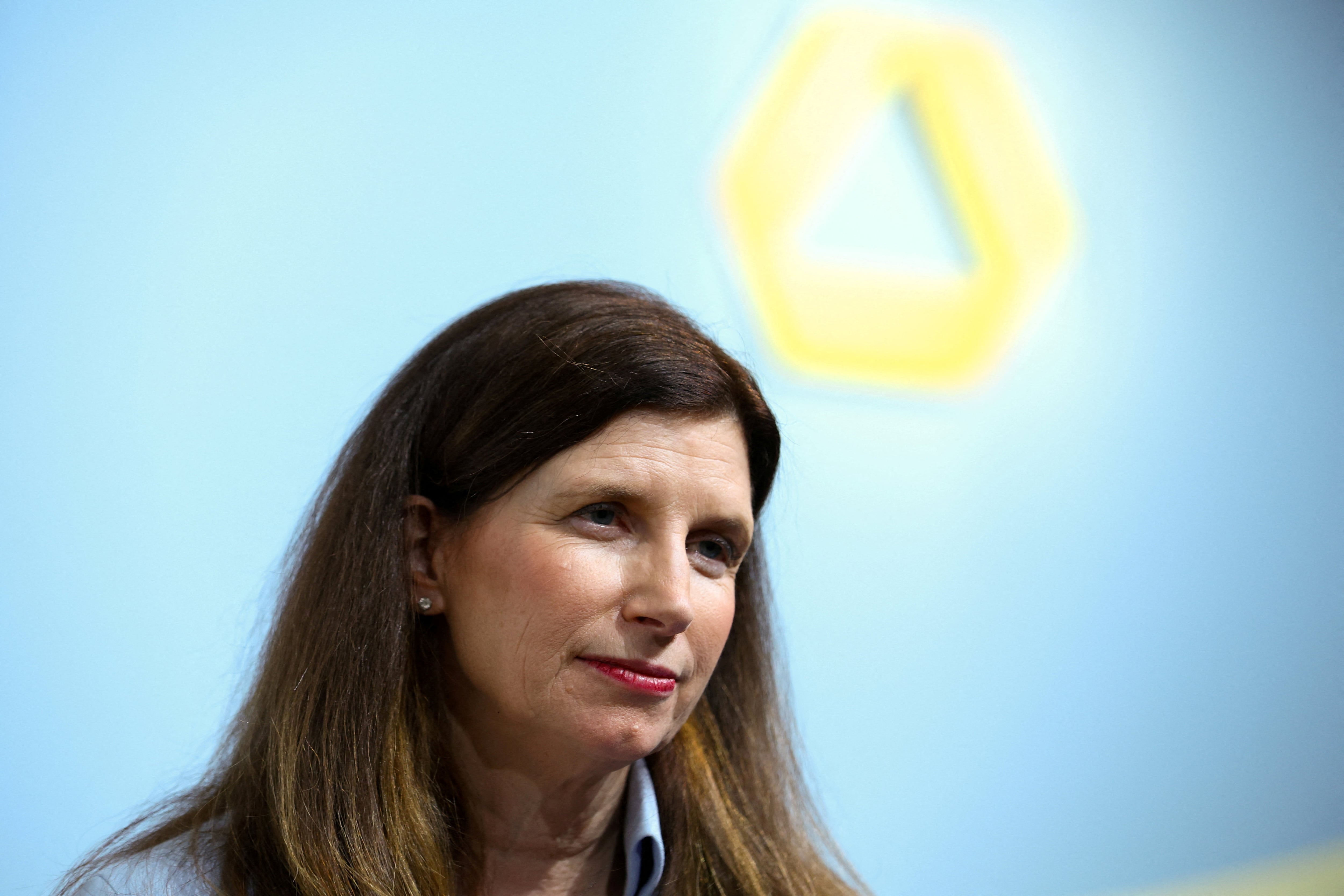
Andrea Orcel, CEO of UniCredit, is closing in on gaining control of Commerzbank, according to the Financial Times. A potential change to Commerzbank's supervisory board could occur in January, according to the report. The recent UniCredit takeover left the bank in a strong but uncomfortable position, as holding 47% of another major player without direct control is not ideal for UniCredit or European regulators.
Orcel is considering calling a board meeting and possibly removing Commerzbank CEO Bettina Orlopp, according to the Financial Times. The German government, which owns 13% of Commerzbank, must maintain its seats on the board, which would leave UniCredit without an absolute majority. This could allow Orcel to accelerate changes at Commerzbank by saving around €1.2 billion in initial cost cuts.
However, naming a board with less than half of the capital remains a half-measure. To achieve a full takeover and control, UniCredit would need the support of 75% of shareholders, which could be obtained by buying out minority shareholders before a year since the takeover. This would require paying more to those who have already sold their shares.
Another key is the German government's support. A 13% stake would allow UniCredit to reach 75% without acquiring more shares. Why would Berlin accept this? The deal could align with Berlin's plans, as the merged bank could continue trading and have its headquarters in Frankfurt. The government could even retain a small stake to monitor the bank.
It is unclear if Berlin will negotiate further. Another challenge would be setting a fair price for UniCredit's German subsidiary, which could be worth €28 billion before adding excess capital and synergies. There are still matters to discuss with the government, such as the pace of cost cuts and employment, or a possible commitment from Orcel to provide more credit to the German Mittelstand.
However, negotiating with UniCredit would give Berlin more leverage than allowing Orcel to pursue control independently. Neither party wants to maintain the current situation, and there is room for a deal. Authors are Reuters Breakingviews columnists, whose opinions are their own.
Written by urgent.news from El Pais Economia's reporting — not their text. Machine-written — may contain errors; check the original before relying on it.