5 Lessons from The Psychology of Money about wealth
Discover five powerful lessons from The Psychology of Money by Morgan Housel about building wealth, making smarter decisions, and thinking long term.
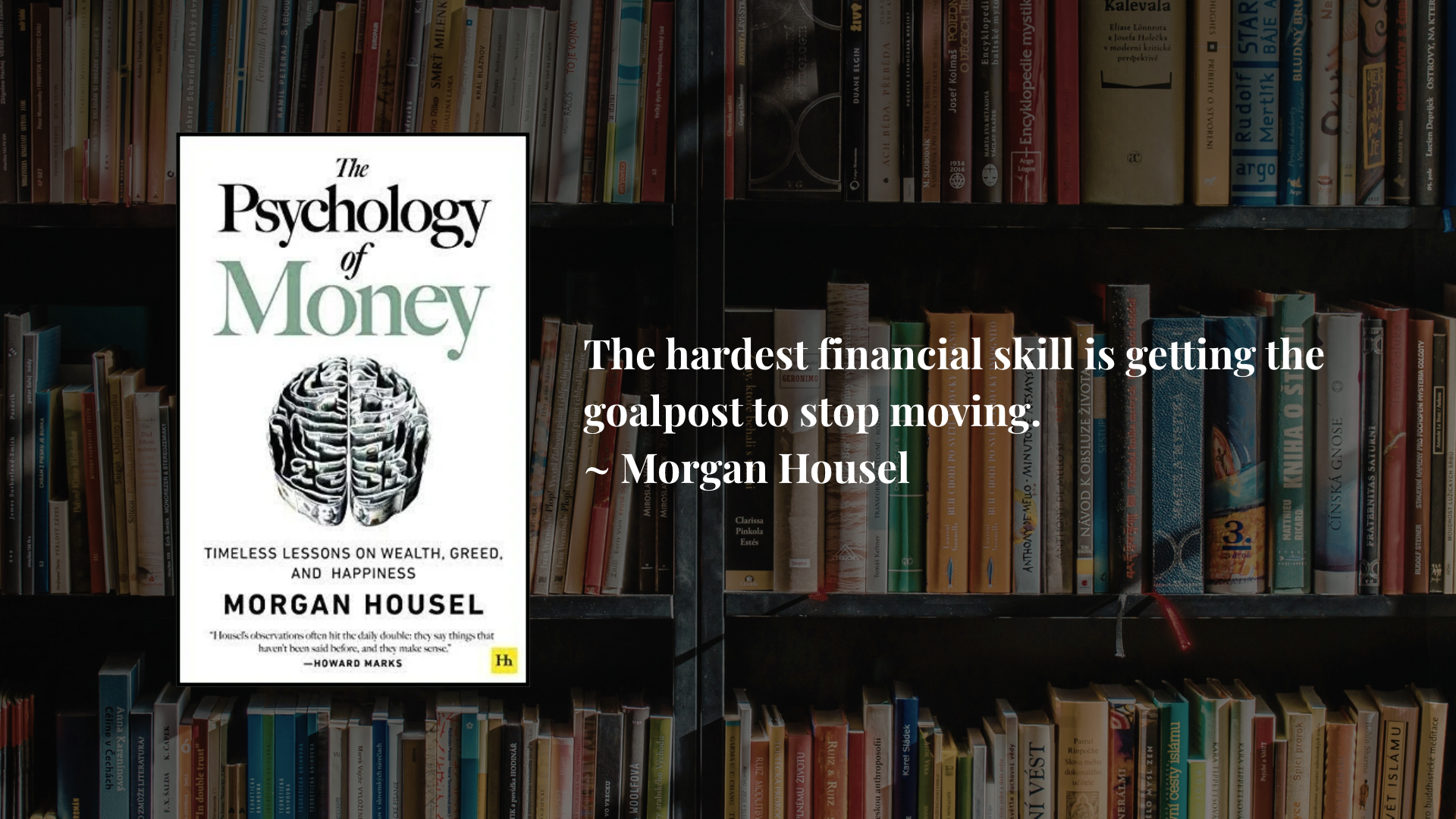
When contemplating wealth, many individuals concentrate on investment strategies, stock market forecasts, or intricate financial equations. However, as Morgan Housel's bestselling book The Psychology of Money elucidates, achieving financial success frequently hinges more on behavior than knowledge. Through captivating anecdotes and enduring wisdom, Housel examines how emotions, routines, and personal encounters influence our perspectives on money.
The book contends that wealth is not merely a consequence of earning more; it is predominantly the outcome of making judicious decisions consistently over time. Herein lie five insightful lessons from The Psychology of Money regarding the cultivation and preservation of wealth.
1. Wealth remains concealed: Numerous individuals link wealth to opulent vehicles, luxurious abodes, or designer merchandise. Housel disputes this notion by illustrating that genuine wealth is oftentimes intangible. True wealth comprises assets that have not yet been expended. It encompasses the money saved, invested, and permitted to flourish over time.
Those who seem affluent may not necessarily enjoy financial stability, whereas those modestly residing may be amassing considerable wealth beneath the surface. The essence of this lesson is straightforward: prioritize becoming financially secure over appearing rich.
2. Saving surpasses income: A high salary does not inevitably result in wealth. What truly matters is the proportion of that income allocated towards savings and investment. Housel underscores that constructing wealth often depends on cultivating a disparity between income and expenditure. Even individuals with average earnings can accumulate substantial wealth if they persistently save over extended periods. This lesson underscores the significance of financial discipline rather than relying solely on augmenting income.
3. Time emerges as the most potent wealth-building instrument: A recurring motif of the book is the potency of compounding. Small sums of money invested consistently can burgeon dramatically when afforded ample time. Housel cites the triumph of long-term investors who attributed their prosperity not only to prudent decisions but also to permitting those decisions to compound over decades.
This lesson advocates for patience, as wealth is frequently accrued incrementally rather than through fleeting victories or unforeseen breakthroughs.
Written by urgent.news from YourStory's reporting — not their text. Machine-written — may contain errors; check the original before relying on it.