WORLD HEART DAY: Silent killer, simple fix? How to save SA from hypertension
High blood pressure and diabetes are taking a massive toll on health in the South African population. Dr Nasheeta Peer breaks down what it will take to tackle the growing crisis. Hint: part of it is cheaper than we think, and we’ve already done it with HIV.
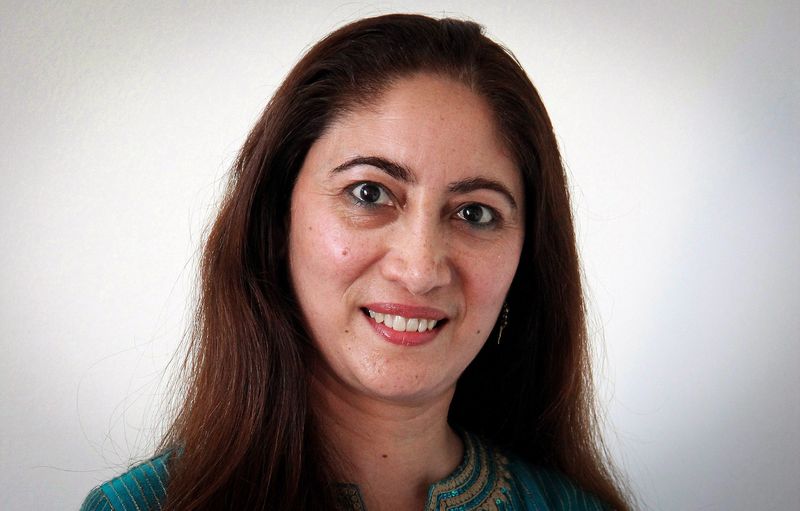
World Heart Day has highlighted the growing crisis of hypertension and diabetes in the South African population. Dr. Nasheeta Peer, the Chief Specialist Scientist at the South African Medical Research Council, has been studying the epidemiology and prevention of cardiovascular risk factors for over two decades.
Dr. Peer's research has shown a link between hypertension and experiences of gender-based violence. Women who have been abused are more likely to develop high blood pressure due to mental health issues and binge drinking. Additionally, there is evidence that hypertension and poor mental health may have a two-way relationship.
Several risk factors for hypertension can be changed, such as tobacco use, unhealthy diet, physical inactivity, harmful use of alcohol, and air pollution. The National Strategic Plan on Non-Communicable Diseases (2022-2027) emphasizes the need to reduce these risk factors through government action and public engagement.
However, Dr. Peer argues that addressing cardiovascular disease risk factors requires more than just healthcare and state action. It also involves changing the social and commercial determinants of health through commercial determinants of health, which are activities of the private sector that affect people's health. Dr. Peer suggests strengthening and enforcing tobacco legislation, banning alcohol advertising, and targeting friendship groups to change drinking behavior.
Food marketing often promotes unhealthy foods that are widely accessible and cheaper, contributing to the obesity epidemic. The environment in South Africa, particularly for the poor majority, makes it difficult to live a healthy lifestyle due to limited availability of healthy foods, lack of knowledge, and monetary costs.
Dr. Peer highlights the need for national and local policies, as well as efforts to change cultural attitudes and behaviors related to diets, physical activity, tobacco smoking, and binge drinking. Unlike acute illnesses, cardiovascular disease care requires patients to consistently take their medications, change lifestyles, and attend follow-up assessments.
This means that patients must play an active role in their own healthcare, supported by healthcare providers, families, support groups, and communities. Knowledge and advice should be provided in a culturally relevant manner.
Written by urgent.news from Daily Maverick's reporting — not their text. Machine-written — may contain errors; check the original before relying on it.