What China wants from AI
The national conversation about AI in the US is full of fear: fear about AI’s potential to end humanity, fear of data centers moving in, fear that government officials will do absolutely nothing even as the industry pleads for regulation, you name it. But the AI conversation looks remarkably different across the Pacific. In China, […]
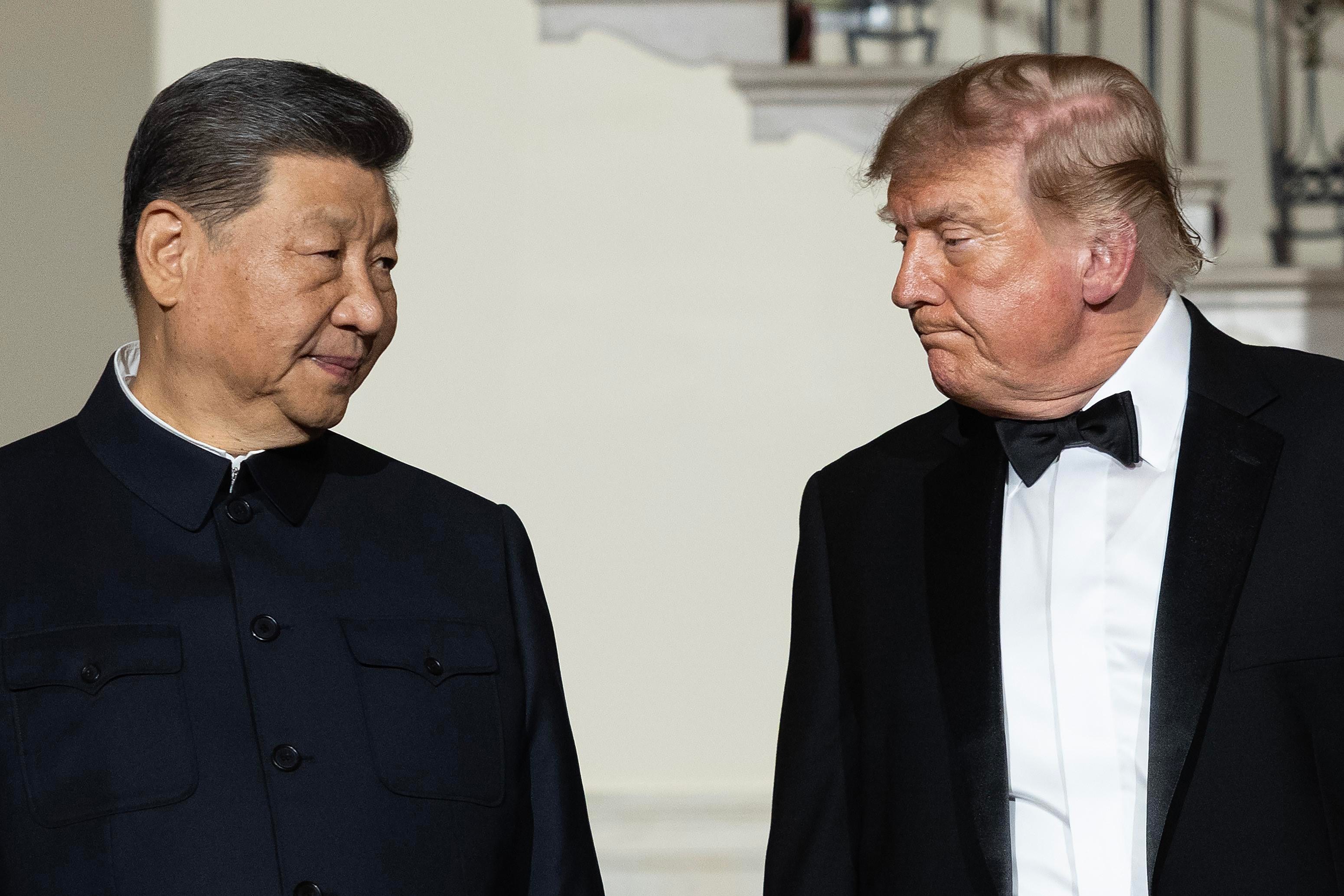
Chinese President Xi Jinping and US President Donald Trump met in the White House on September 24, 2026. Conversations about AI in the US often revolve around fear, such as the potential of AI to end humanity, concerns about data centers, and the government's seeming lack of action despite industry pleas for regulation. However, the AI conversation in China is markedly different.
Driven by public enthusiasm and state backing for AI dominance, China is currently integrating AI across all aspects of society, thanks to President Xi Jinping's support for the technology.
As Kyle Chan, an expert on China's technology development and industrial policy at the Brookings Institution, notes, "He's super AI-pilled." Xi Jinping's speeches and Chinese policy documents are filled with references to rolling out AI to various sectors, including manufacturing, services, education, healthcare, pharmaceuticals, and military. The goal is to integrate AI as extensively as possible.
Under this push for rapid AI adoption, China has established a regulatory framework aimed at safeguarding political stability and limiting the information AI models can share. Kyle Chan explained to Vox's Today, Explained podcast, "China has this explicit goal, right? China has some concrete plans to boost AI adoption through the country, including its recent AI-plus initiative.
Their aim is to boost the penetration of AI in terminal devices, like computers and smartphones, to 90 percent or more by 2030." This push is fueled by state mobilization, state-owned companies, government agencies, and a general enthusiasm from the population.
While some in China express concerns about AI replacing jobs, the prevailing attitude is more focused on using AI to maintain political and social stability. The Chinese government is developing a model registration system where AI services must be vetted and tested before being released to the public, ensuring they do not produce politically sensitive content or deepfakes.
This approach contrasts with the US, where there is significant worry about AI taking jobs and the potential for AI-generated content to cause social and political instability.
Written by urgent.news from Vox's reporting — not their text. Machine-written — may contain errors; check the original before relying on it.