We read the Protect College Sports Act. Here’s what’s really in it
The United States Senate passed the controversial “Protect College Sports Act” (PCSA) on Monday evening and if the House of Representatives returns to work and votes on the bill, it would then go to the White House for President Trump to sign it into law. The PCSA was sold to the public as legislation that […]
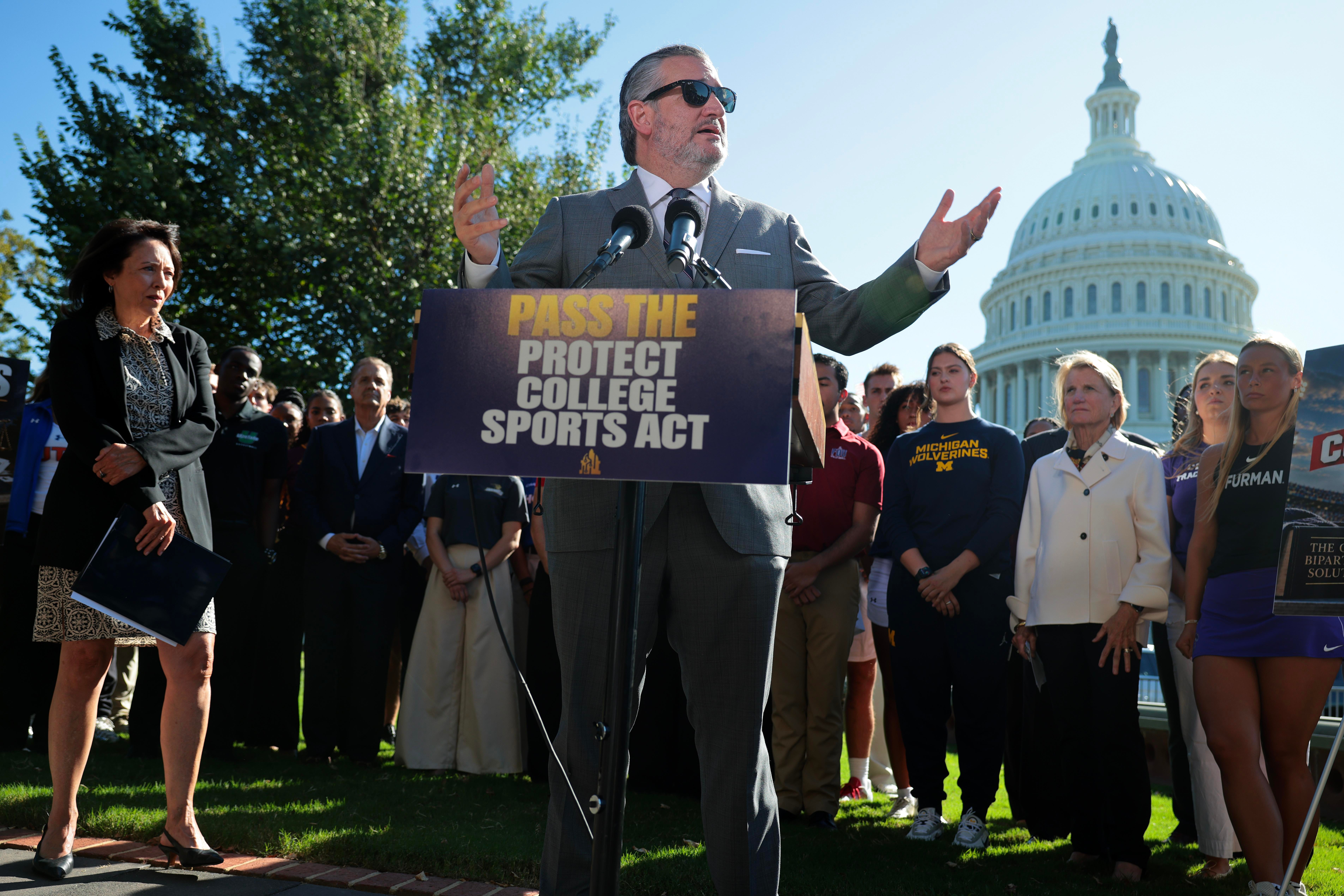
The Protect College Sports Act (PCSA) was recently passed by the U.S. Senate and could soon be signed into law by President Trump. While the bill aims to codify collegiate sports and curb "runaway spending," its motivations appear to be more about reversing the increasing regulation that has shaped college athletics.
Among the bill's provisions are protections for athletes against predatory agents, who would need to register and comply with regulations, as well as caps on agent earnings at 5% of an athlete's income. The bill also ensures that academic scholarships cannot be altered based on athletic performance or health issues, and that universities must cover medical expenses for athletes, including those incurred five years post-graduation.
Additionally, the bill seeks to safeguard women's and Olympic sports by mandating that revenue from high-profile sports support these programs.
However, the PCSA also introduces some controversial aspects. It places a hard cap on sports program spending at $27.5 million, which could limit athletes' earnings compared to previous years. While the bill aims to level the playing field, it inadvertently creates loopholes that could allow the exploitation of athletes, reintroducing the notion of "bag men." Moreover, the bill limits conferences to 19 members, potentially stifling competition and regional rivalries.
Perhaps the most contentious feature of the legislation is its neutrality on whether college athletes should be classified as employees. This ambiguity may hinder unionization efforts among athletes, who could otherwise band together for better representation. The bill further restricts athlete transfers, allowing only one free transfer from one four-year institution to another, potentially reducing their autonomy and control over their collegiate careers.
Perhaps most troubling, the PCSA does not address the compensation of coaches, administrators, or support staff, who often earn significantly more than the athletes themselves. This imbalance suggests that the bill potentially exacerbates existing disparities, benefiting the predominantly white and male coaching and administrative staff while limiting athletes' financial opportunities.
Lastly, the bill grants the NCAA significant antitrust protections, making it challenging to challenge the organization's practices through legal means.
Written by urgent.news from SB Nation's reporting — not their text. Machine-written — may contain errors; check the original before relying on it.