‘We need to commit ourselves to patient dialogue’: Pope Leo warns of the ‘desire for domination’ in today’s wars
Pope Leo wrapped up a visit to France by recalling the forces that contributed to the continent's peaceful integration.
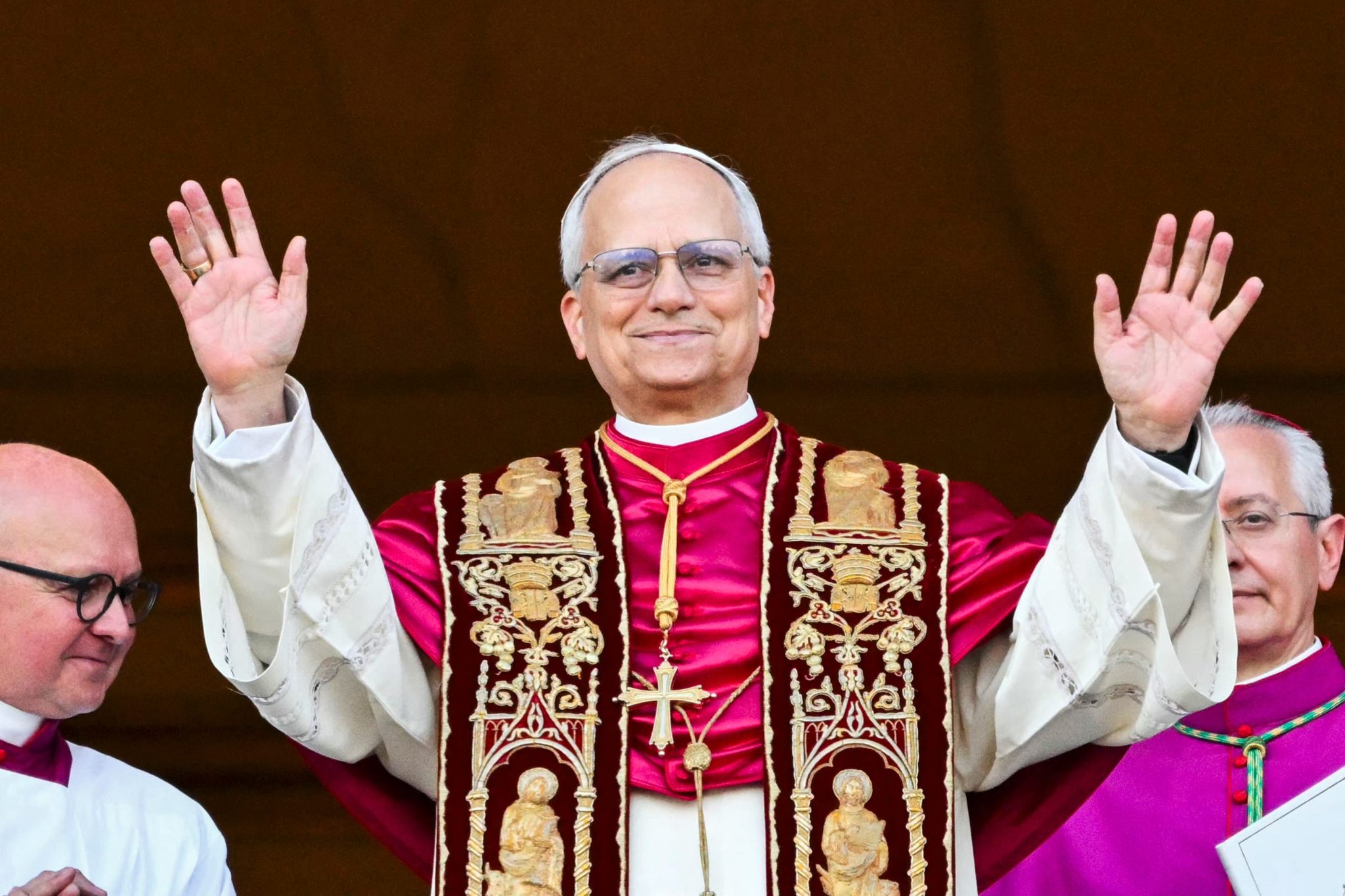
Pope Leo XIV delivered a powerful message to Europe on Monday, urging the continent to return to its Christian roots and traditions of dialogue to counteract the "desire for domination" fueling contemporary conflicts. During a visit to France, Pope Leo concluded his journey in Metz, a city near the border with Luxembourg and Germany, to honor Robert Schuman, a French Catholic statesman and one of the founders of European unity after World War II.
Schuman's legacy includes the Schuman Declaration of 1950, which proposed creating a European Coal and Steel Community to foster economic integration and prevent future wars between France and Germany. Pope Leo's appeal for Europe to remember its Christian heritage and apply it to today's ethical and geopolitical challenges resonated with enthusiastic crowds, with over 800,000 attending his Mass in Paris' Place de la Concorde.
French President Emmanuel Macron joined Pope Leo on stage at the Schuman event, reaffirming Europe's support for Ukraine and emphasizing the importance of preserving values in the face of renewed imperial ambitions. In his final event in France, Pope Leo celebrated Mass in Metz's cathedral of St. Stephen, highlighting the city's history of conflict and its role in the cathedral's stained-glass windows, which symbolize ecumenism and interreligious dialogue.
Pope Leo stressed the importance of international law and multilateralism as the best means to counteract the desire for domination and foster peace in a world increasingly marked by uncivilized relations between nations.
Written by urgent.news from Fortune's reporting — not their text. Machine-written — may contain errors; check the original before relying on it.