We Are Alarmed to Learn That People Are Installing DIY Self-Driving “Mods” on Their Cars
"I do not think we should be letting people run any software they want on their self-driving car." The post We Are Alarmed to Learn That People Are Installing DIY Self-Driving “Mods” on Their Cars appeared first on Futurism .
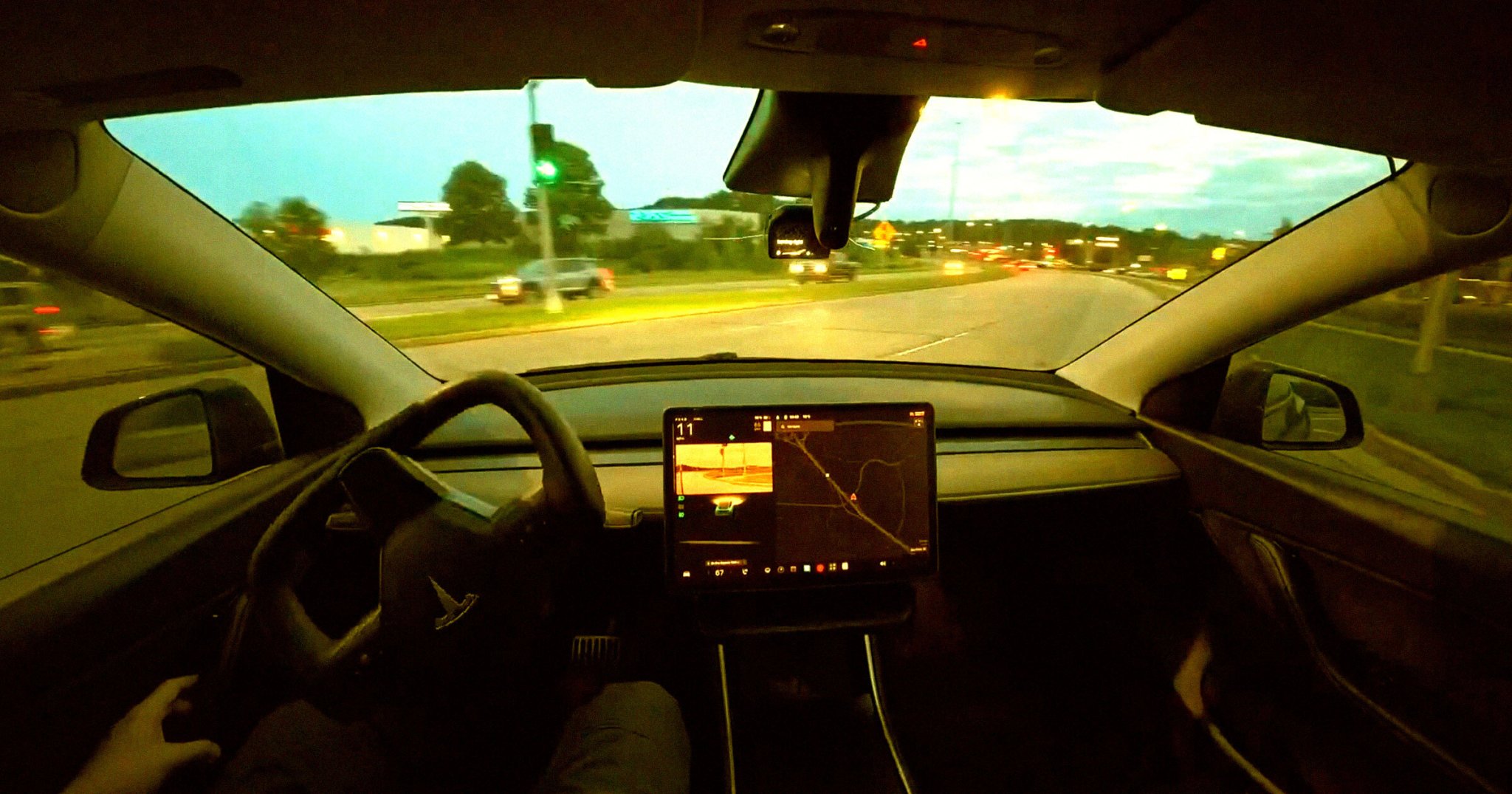
The rise of open-source self-driving software has allowed anyone with basic technical know-how to equip their vehicles with autonomous driving capabilities. For around $1,000, individuals can purchase a kit from Comma AI to retrofit their cars with sensors and cameras capable of driving the vehicle semi-autonomously. This has garnered attention, particularly after a video surfaced of a Tesla Model Y driving itself using Comma AI’s latest version, Comma Four.
The video's creator, Mike LaBarbera, highlighted that he no longer needed a Tesla Autopilot subscription to achieve self-driving functionality, instead opting for an alternative version called Sunnypilot, a custom modification of the original Openpilot software.
While the DIY self-driving tech demonstrates impressive technological advancements, it has raised concerns among some observers about the potential safety risks associated with unregulated modifications. Critics argue that allowing people to install any software they choose on self-driving vehicles is akin to adding mods to a video game, but with far more serious consequences.
Safety advocates express worry that inexperienced users could cause accidents due to poorly coded software, potentially leading to fatal collisions. Federal regulators have begun investigating these concerns, opening an inquiry into Comma AI following five crashes involving vehicles running Openpilot.
The National Highway Transportation Safety Administration is focusing on the marketing claims made by Comma AI, which promise hands-free driving for existing vehicles, despite warnings about the need for constant human supervision. The investigation covers over 30,000 Comma AI hardware kits, including Comma Four, and scrutinizes the company's marketing language that misleads users about the level of supervision required.
This situation becomes even more complex when considering that many users may not be using the software in its original form but instead have installed custom modifications, introducing additional safety uncertainties.
These developments highlight the challenges posed by the decentralized nature of self-driving technology. As the open-source community continues to innovate, it becomes increasingly difficult to ensure the safety and accountability of these systems, especially when modifications are introduced by users with varying levels of expertise.
The potential for "vibe coding"—a term used to describe the customization of AI models to suit individual preferences—further complicates the regulatory landscape. Without significant regulatory intervention, sharing the road with homemade robot chauffeurs may become a common occurrence, posing unprecedented safety challenges that require careful consideration and oversight.
Written by urgent.news from Futurism's reporting — not their text. Machine-written — may contain errors; check the original before relying on it.