Visa joins growing alarm over AI-powered risks
Visa has open-sourced part of its AI-powered cyber defence system after "humbling" lessons from vulnerabilities exposed by AI models. Its President of Technology, Rajat Taneja, told Reuters the company had made its cyber defence system available as open-source software after weaknesses exposed by Anthropic's Mythos AI model earlier this year highlighted the scale of the challenge.
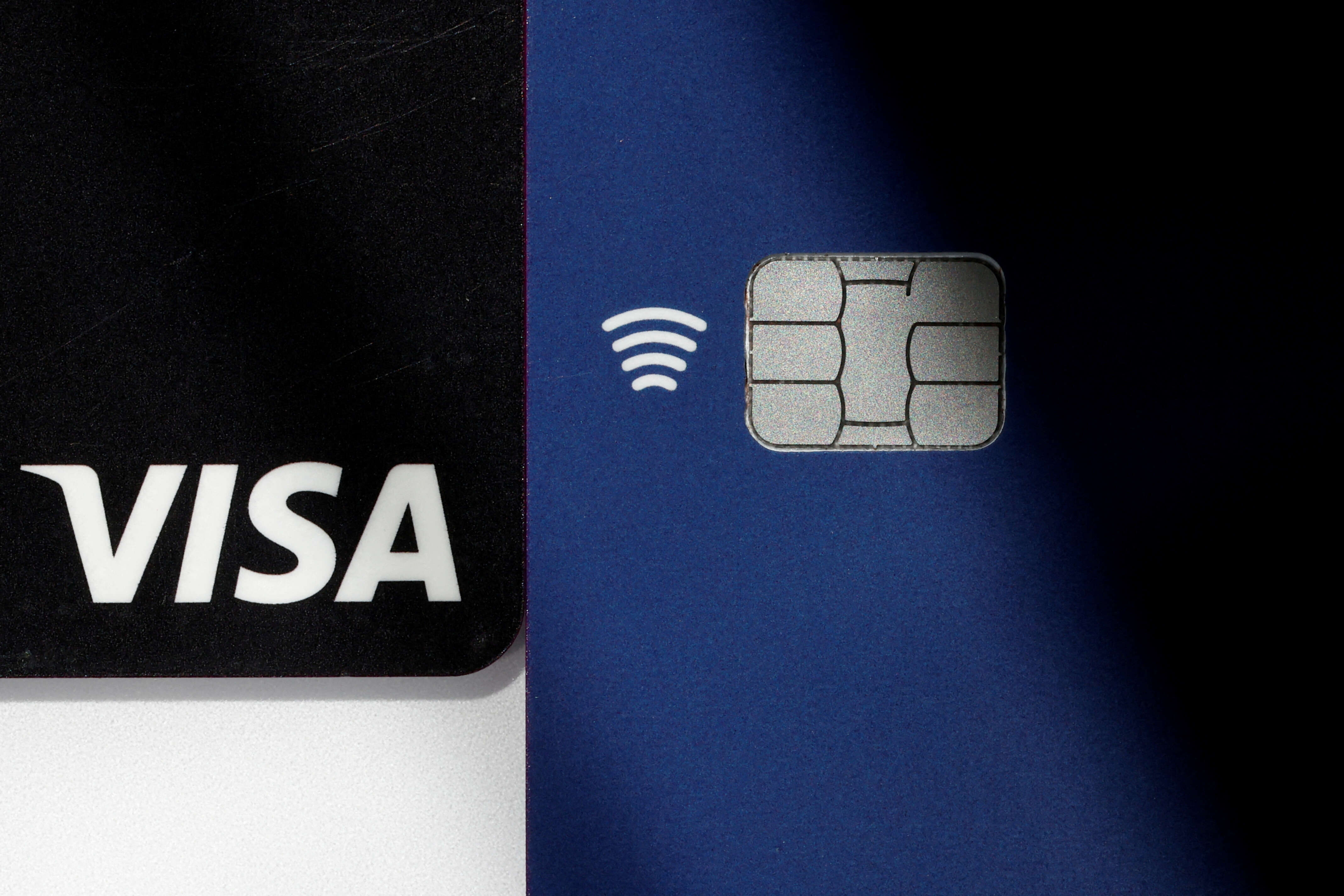
Visa has released a portion of its AI-powered cyber defense system as open-source software following lessons learned from vulnerabilities exposed by AI models. The payments giant processes about a billion transactions daily, totaling around $15 trillion annually, making it a critical component of the global financial infrastructure.
Rajat Taneja, Visa's President of Technology, revealed that the company opened up its cyber defense system after weaknesses were exposed by Anthropic's Mythos AI model earlier this year. Taneja described the vulnerabilities as "humbling" and emphasized that the AI agents' attack on the Hugging Face platform may foreshadow a more significant future threat.
He warned that predicting the potential severity of the issue is challenging, comparing it to the trailer of a movie, which only hints at the full story. Taneja urged the company and others to prepare for the technology's power and acknowledged its significance. The company also faces the looming threat of AI-controlled cyberattacks, which could undermine confidence in the financial system.
Visa has started allowing certain AI agents to use its services, but Taneja did not specify the number of such transactions. Industry estimates suggest that roughly a third of online commerce, close to $3.1 trillion in transactions, could be facilitated by AI agents by 2030. Taneja highlighted that future cyberattacks will be adaptive and continuously learn, making it impossible for traditional human defenses to keep up.
He emphasized that if the adversary is autonomous, defense must be autonomous too. Additionally, Taneja addressed the long-term challenge posed by quantum computing, stating that Shor's algorithm could enable powerful quantum computers to break the current encryption standards that support global commerce. Visa's Taneja urged the company and others to maintain optimism, but acknowledged that there is no easy solution to these problems.
Written by urgent.news from Economic Times Tech's reporting — not their text. Machine-written — may contain errors; check the original before relying on it.
This story
This is one outlet's version. Read the fullest account.
- Visa joins growing alarm over AI-powered risks channelnewsasia.com
- Visa joins growing alarm over AI-powered risks investing.com