Vana Completes Expanded Staking as Part of the Vega Upgrade, Publishes Expanded VANA Token Economics
The Vana Foundation today announced that expanded staking as part of the Vega upgrade to the Vana network is complete and published
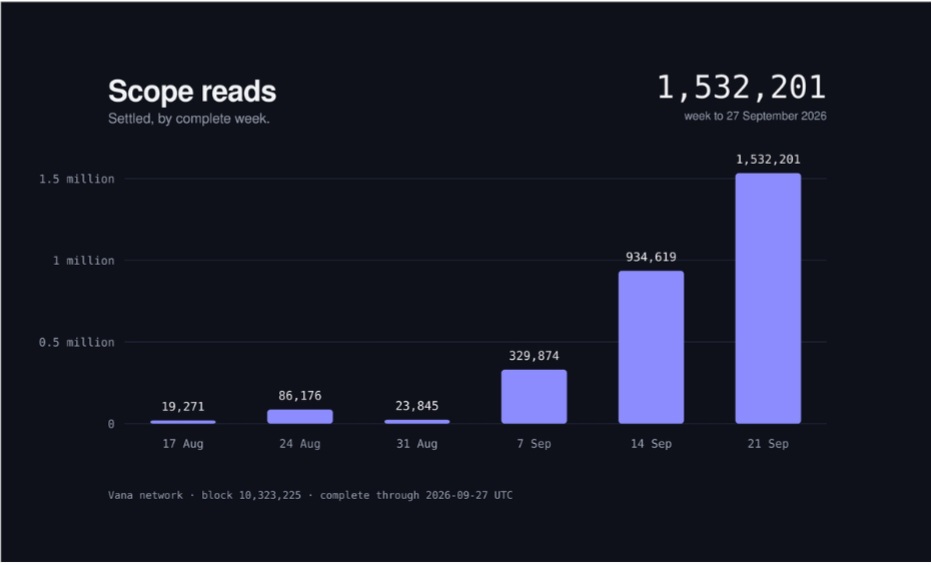
Vana completes expanded staking as part of the Vega upgrade, unveiling a new public dashboard and updated token economics for the VANA token. The Vana Foundation announced the completion of staking on the network, with network fees now funding staking rewards, buybacks, and ecosystem development. A public dashboard on token.vana.org displays network reads, fee income, buybacks, burns, and token supply.
The token's fee model allocates 60 percent to staking, 20 percent to buybacks and burns, and 20 percent to ecosystem development. Each buyback and burn is recorded with its transaction hash. Expanded staking involves three pools with a 5 percent operator commission, with existing staked positions able to be moved into these pools through a single transaction on stake.vana.org.
Staking rewards are paid from network fees, and staked positions may be claimed as they accrue. Principal can be withdrawn at any time without a deadline. After October 31, 2026, positions that haven't moved will no longer earn rewards. As of September 28, 2026, the network had processed 2,937,447 verified reads, with total VANA supply and release schedules remaining unchanged.
The VANA: The Asset Behind an Open Data Economy paper and the whitepaper addendum, The Vega Upgrade: Data Portability and Transformations, are available on token.vana.org.
Written by urgent.news from HackerNoon's reporting — not their text. Machine-written — may contain errors; check the original before relying on it.