Utah man released on bail after decades on death row
No physical evidence linked Douglas Stewart Carter to the murder but he signed a confession he later said was coerced. Now new analysis of DNA evidence has excluded him as a possible match.
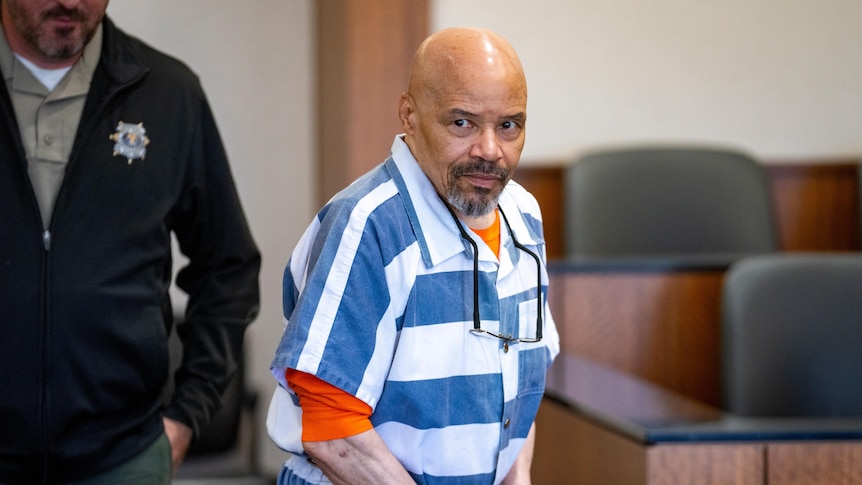
After serving decades on death row, a Utah man will be released on bail following the analysis of new DNA evidence from the murder he was convicted of in 1985. Douglas Stewart Carter was sentenced to death in the same year after being found guilty of murdering Eva Olesen, the aunt of the then-provincial police chief in Provo. The prosecution's case against Carter relied heavily on a confession he claims was obtained through coercion, as well as testimony from two witnesses who alleged bribery and threats of deportation if they did not implicate him.
Carter, originally from Chicago, was present in Utah when Olesen was killed on February 27, 1985. Her body was discovered partially undressed and with her hands tied, having been stabbed multiple times and shot while the house had been ransacked. Defenders argued witnesses saw a white man fleeing the scene, with an investigator suppressing evidence pointing to other suspects, including Olesen's husband.
Carter was identified soon after the crime and fled Utah, eventually being apprehended in Nashville, Tennessee. At his original trial, Carter's defense called no witnesses, and in 1986, his attorneys filed an appeal citing racial bias and the victim's relationship to the police chief. In 1986, Utah's Supreme Court overturned Carter's sentence due to an error in jury instructions, leading to another death sentence after a retrial in 1992.
Despite numerous appeals, Carter's conviction persisted until last year, when the Utah Supreme Court ordered a new trial due to allegations of police and prosecutor misconduct. A two-month retrial was set for 2027, but recent DNA evidence analysis excluded Carter as a match to blood and genetic material found at the crime scene.
His attorney expressed relief at Carter's release, though the family remains skeptical of his innocence, noting other factors that could be relevant. Prosecutors have ceased seeking the death penalty but are still evaluating the case, acknowledging the new evidence does not definitively exonerate Carter.
Written by urgent.news from ABC News AU's reporting — not their text. Machine-written — may contain errors; check the original before relying on it.