US Army backs humanoid robot with ballistic protection for future battlefield missions
Autonomy and AI are becoming increasingly important elements of today's military forces. We're seeing the likes of drones, turrets, and even vehicles such as aircraft and boats operating with minimal human control. Read Entire Article
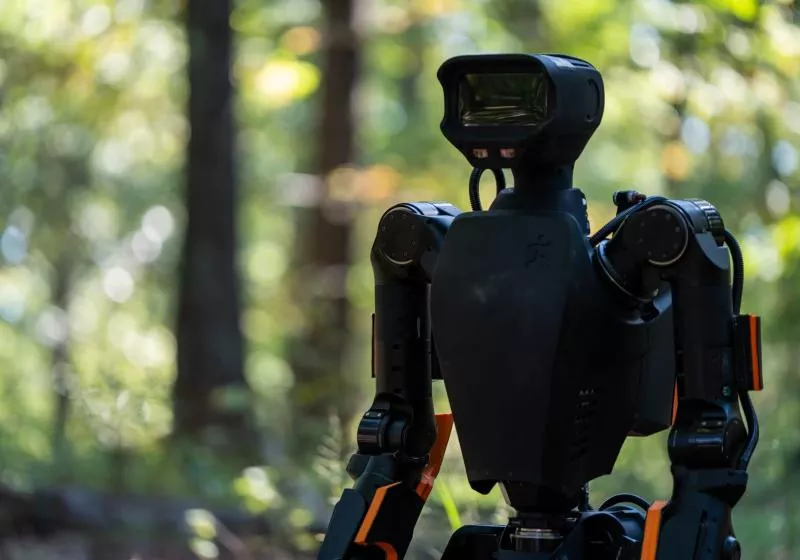
The US Army has selected five companies as winners in the xTechHumanoid competition, which explores potential military applications of humanoid robots. One of the winning entries is a humanoid robot named Alex, which bears a striking resemblance to the early Terminator concept - featuring ballistic protection. This development marks a significant step towards the integration of increasingly autonomous and AI-driven technologies into modern military forces.
As reported by Reuters, China is also making substantial investments in humanoid robot research, particularly for military applications. This growing trend across superpowers highlights the increasing importance of humanoid robots as key components of future battlefield capabilities.
The Humanoid Community of Collaboration (HCoC), a Joint Force organization, was established in 2023 to advance the technical development and operational integration of humanoid robot capabilities within the US Department of Defense and military. The Army's FUZE xTech program collaborated with HCoC to host the xTechHumanoid competition, which attracted 103 proposals and resulted in the selection of five winners after rigorous evaluation by military leaders and technical experts.
Alex, the humanoid robot that emerged victorious, is a testament to the progress in this field. Developed by the Florida Institute for Human and Machine Cognition, Alex is powered by custom, highly backdriveable, powerful quasi-direct drive actuators, enabling highly efficient and natural motions. The robot boasts an impressive 29 joints, enhancing its flexibility. Notably, Alex is equipped with ballistic protection and hybrid autonomy, combining AI and human control for complex and dangerous missions.
Written by urgent.news from TechSpot's reporting — not their text. Machine-written — may contain errors; check the original before relying on it.