Two-pronged strategy towards fuel policy resilience
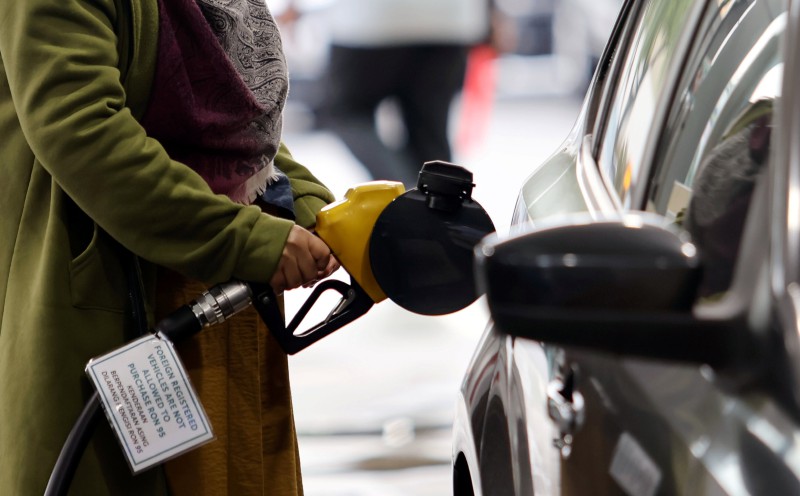
The Malaysian government's Budi95 system provides eligible citizens with subsidised RON95 petrol at RM 1.99 per litre, subject to a monthly quota of 300 litres. This subsidy rationalisation programme aims to alleviate the fiscal burden on the government. Research has shown that rising fuel prices impact the country's consumer price index, particularly in the food and beverages and transportation sectors, as these areas are closely tied to fuel prices.
However, while Budi95 helps curb inflationary pressures, it does not mitigate long-term price vulnerabilities. As geopolitical tensions between the US and Iran escalate, global crude oil supply disruptions have driven market prices above US$100 per barrel. Between March and May 2026, Budi95 consumed RM3 billion and RM5 billion, a massive increase from the pre-crisis baseline of RM0.7 billion in January 2026.
This enormous spending compelled the government to reduce its budget for other development purposes. To enhance economic resilience, Malaysia should explore two main strategies. Firstly, research and development into biofuel products is essential, as Thailand and Indonesia have already mainstreamed the use of biofuel Gasohol and bio-gasoline Pertamax Green E5, respectively.
Given Malaysia's status as a leading palm oil producer, the nation holds a unique advantage in feedstock availability. By promoting domestic biofuels, the country can lessen its dependence on crude oil imports and safeguard local pump prices against global geopolitical shocks. Secondly, the government must continue to streamline the subsidy system.
Although Budi95 provides temporary relief, it is insufficient for the long term due to its limited quantity. Addressing the disparity between global fuel prices and subsidised retail prices would help the government manage its fiscal burden amid fluctuations in global fuel prices. Instead of offering subsidised fuel with limited availability, the government should consider a system like Sumbangan Asas Rahmah, which would provide eligible users, such as B40 and M40 households, with a direct, fixed cash assistance payment to offset the cost of petrol.
This approach would alleviate the fuel subsidy burden and reduce the government's fiscal strain. While Budi95 acts as an effective short-term defense against energy price shocks, it is not fiscally sustainable in the long run. To ensure future fiscal stability and economic resilience, Malaysia must shift towards structural biofuel integration and direct income support.
Written by urgent.news from New Straits Times's reporting — not their text. Machine-written — may contain errors; check the original before relying on it.