There is more than one pathway to the future you want
As a science student, I once imagined a future in aviation. I wanted to become a pilot and associated that ambition with science and engineering pathways, including aerospace engineering.
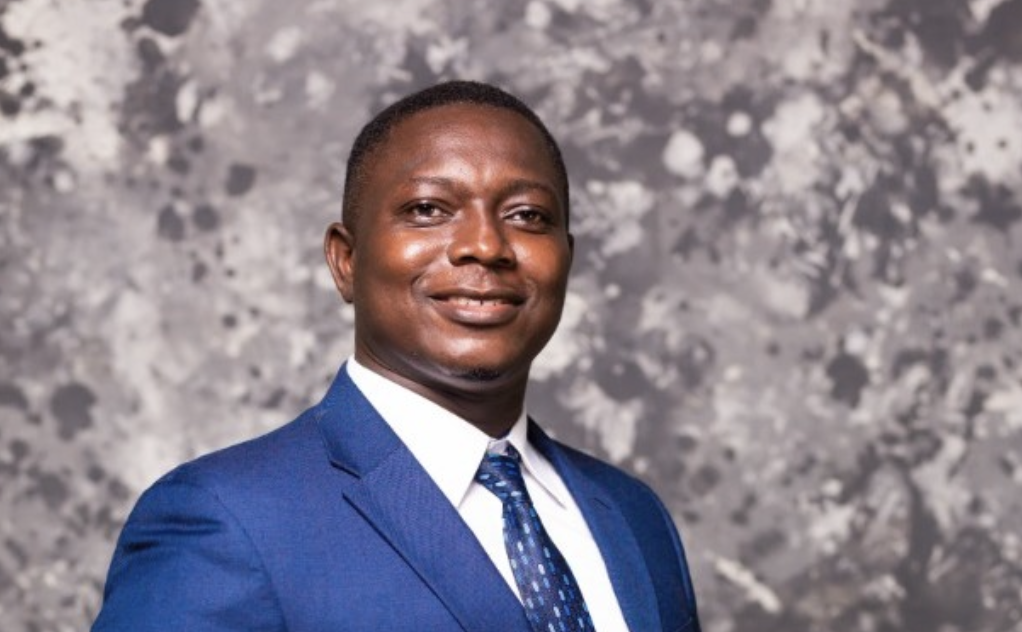
Every year in Ghana, thousands of young people face a pivotal moment when they receive their examination results and learn about university admissions. Some secure admission to their desired programs, while others, despite excelling academically, face disappointment due to competitive cut-off points, limited spaces, or institutional requirements.
As a science student, I once aspired to become a pilot, envisioning a career in aviation that intertwined with science and engineering pathways, including aerospace engineering. However, the realities of university admissions forced my parents and me to make a difficult decision. Ultimately, I chose to study Public Administration instead.
Although it wasn't the path I had initially planned, it marked the beginning of another promising future. My interests gradually shifted towards people, organizations, and work, leading me into Human Resource Management, postgraduate education, and research, culminating in a PhD in Human Resource Management. Despite not becoming a pilot, I never considered my life trajectory to be less meaningful; it simply represented a different pathway.
Universities set admission standards, and certain programs naturally attract more qualified applicants than available spots. The challenge arises when young people interpret an admission outcome as a reflection of their overall abilities. A cut-off point is merely an admissions function and does not fully capture qualities such as curiosity, creativity, resilience, problem-solving skills, or future professional contributions.
A slight variation in exam scores can determine whether one student gains admission and another does not. However, this small difference should not lead the second student to believe, "I am not good enough." Admission decisions simply determine access to a specific opportunity at a particular moment; they should not dictate an individual's entire future.
It is crucial to broaden the conversation around science, particularly for science students in Ghana. Our society often has a narrow understanding of where science should lead, with medicine and traditional engineering disciplines being highly valued. However, the science and technology landscape is rapidly evolving, with emerging fields like Biomedical Engineering, Artificial Intelligence, Data Science, Cybersecurity, and Robotics creating new professional opportunities.
Healthcare systems are also increasingly relying on intelligent systems, biomedical devices, data analysis, and advanced technologies. Therefore, we should reconsider the questions we ask young people about their future. Instead of solely asking, "Which course can your grades secure for you?" we should also inquire, "What problems do you wish to solve, and what capabilities are necessary to tackle them?"
This approach fosters a more comprehensive discussion. Biomedical Engineering serves as an excellent example. At its core, this field applies engineering principles and technology to address medical and healthcare challenges. Medical imaging systems, prosthetics, rehabilitation technologies, patient-monitoring devices, biomedical sensors, and the application of artificial intelligence in healthcare all require individuals who can navigate multiple disciplines.
For Africa, this is especially significant. Our healthcare needs cannot be met by merely importing technologies designed for other contexts; we require engineers and innovators who understand local realities and can develop affordable, maintainable, and appropriate technologies for our health systems. This shift towards interdisciplinary education is evident at institutions like Academic City University, where I now serve.
Biomedical Engineering students there are exposed to programming, artificial intelligence, biomedical imaging, biomechanics, medical devices, and rehabilitation engineering, alongside their core engineering education. I mention this not to highlight a single institution but to illustrate a broader transformation occurring in higher education.
The boundaries between disciplines are becoming increasingly blurred. The engineer of the future may require business knowledge, while managers may need technological and data literacy. Healthcare professionals will increasingly work alongside AI-enabled systems, and entrepreneurs must combine technical knowledge with leadership and an understanding of human behavior.
Parents play a vital role during the admissions process. When a young person does not gain admission to their preferred program, the response should not simply be, "Choose whatever is available." Instead, a more constructive conversation should involve asking what the student is genuinely interested in, what abilities they have demonstrated, what other programs align with those interests, and which institutions offer credible pathways in those areas.
My parents supported me through this decision when my original plans began to change. The outcome was different from what I had envisioned, but that redirection did not signify surrendering ambition. Sometimes, it meant finding an alternative route towards achieving one's goals. Ultimately, there is more than one pathway to the future we desire.
Written by urgent.news from MyJoyOnline Ghana's reporting — not their text. Machine-written — may contain errors; check the original before relying on it.