The Strange Programming Language That Helped Build WhatsApp
Erlang: a programming language built in a Swedish telecom lab in the 1980s, ended up running the biggest messaging app WhatsApp. Told by its co-creator.
In February 2014, the news of Facebook acquiring WhatsApp for $19 billion reached the author, who is not one to follow acquisitions but bugs. The WhatsApp app had around 450 million users, processing tens of billions of messages daily. With only fifty engineers, each responsible for the welfare of approximately ten million users, the application was built upon a unique programming language called Erlang.
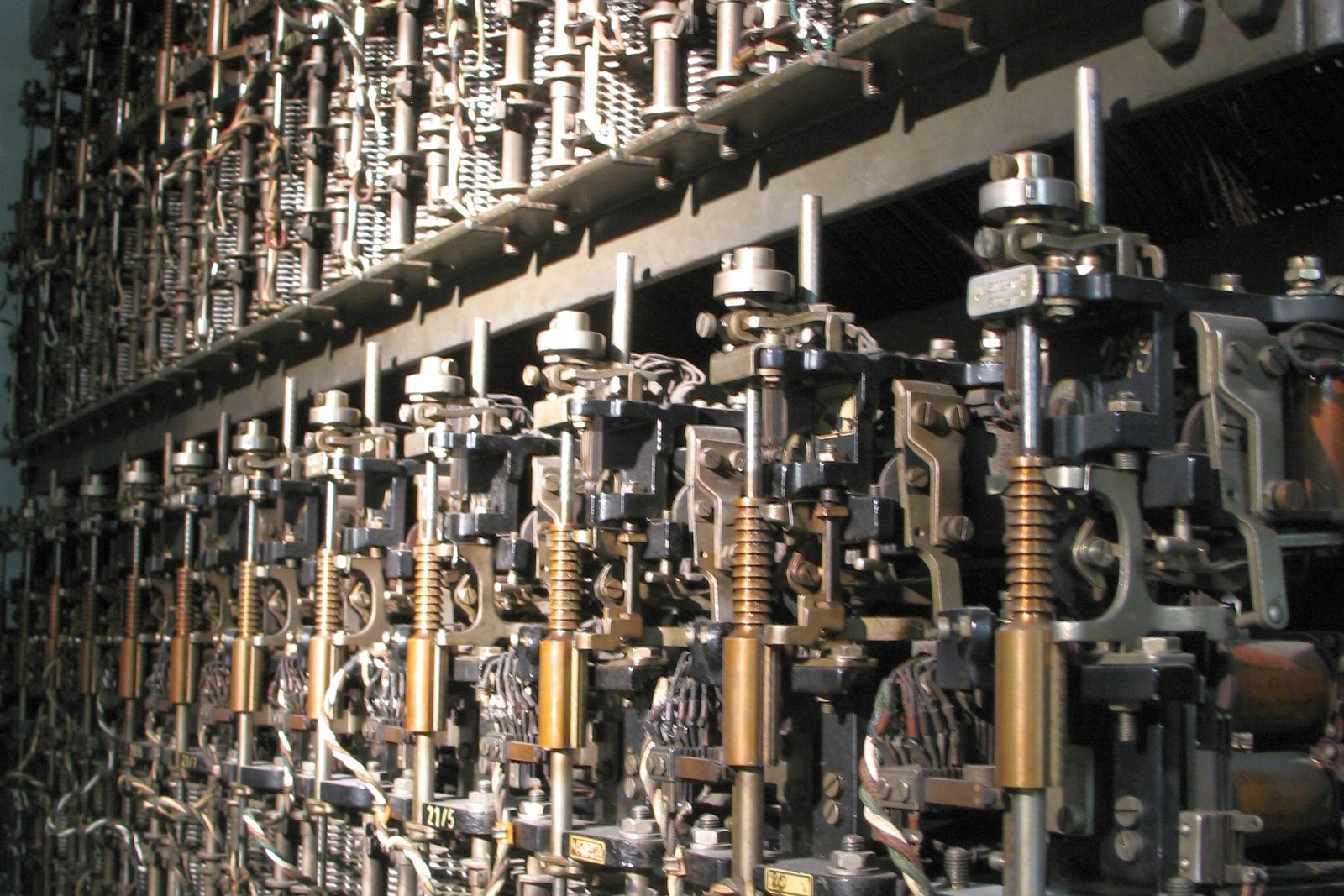
Born in Bournemouth in 1950, the author pursued a career as a physicist before transitioning into programming. In 1985, he relocated to Ericsson's Computer Science Laboratory in Stockholm, where a problem was handed to him: creating software for telephone exchanges that needed to be perfect and efficient, yet never stopped functioning. These telephone exchanges handled countless calls simultaneously, each with its own set of operations. Hardware failures were common due to the nature of hardware being made of atoms.
However, the challenges were met with determination. Working alongside Mike Williams and Robert Virding, the author developed Erlang, an innovative programming language. The first version, an interpreter in Prolog, was slow but fitting for their needs. They then created a proper virtual machine in C, which allowed the language to run efficiently in a telephone company setting. With Erlang, processes were isolated, and if one failed, it did so independently, preventing disruption to the entire system.
In 1990, Ericsson produced a film about the struggles and triumphs of creating Erlang, titled "Erlang: The Movie." The film featured the author and his colleagues wearing telephone headsets, demonstrating the language's unique capability of hot code loading. This feature allowed for upgrades without disrupting ongoing calls, a crucial aspect in a telecommunications environment. Despite the film's tongue-in-cheek nature, it captured the essence of Erlang's development and its impact on the industry.
Written by urgent.news from HackerNoon's reporting — not their text. Machine-written — may contain errors; check the original before relying on it.