The Gulf’s most valuable export may be trust
Since February, the world has asked the same question about the Arabian Gulf: can hydrocarbon supplies continue to reach international markets? It is an understandable question. Around 20 per cent of global liquefied natural gas trade and about 20 million barrels of oil a day have historically moved through the Strait of Hormuz , and for Qatari and Emirati LNG, there is no route to market that…
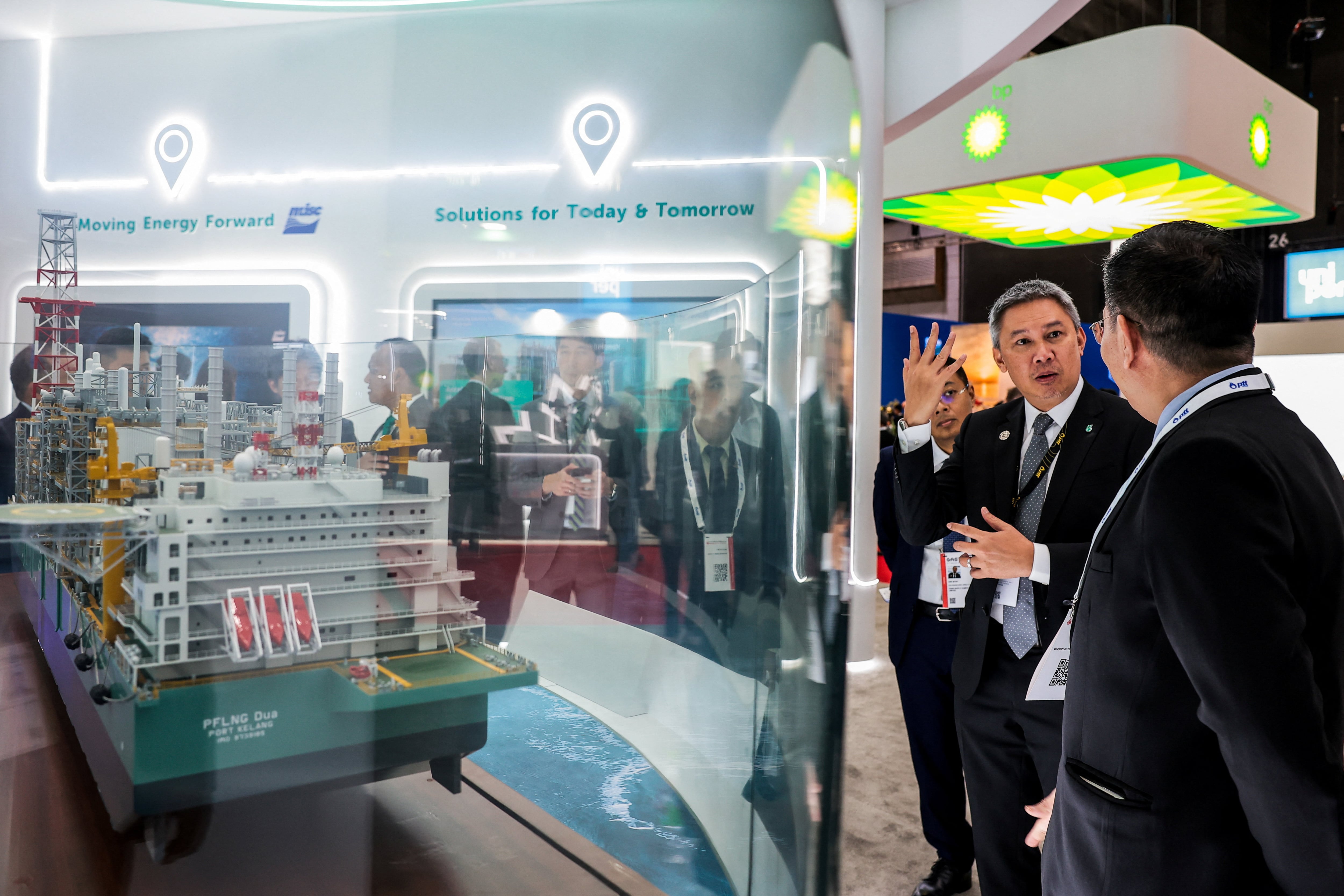
The Arabian Gulf has historically supplied a significant portion of the world's liquefied natural gas (LNG) and oil. However, recent disruptions to the Strait of Hormuz have raised questions about the region's ability to maintain this crucial export. Trust, though seemingly intangible, has been eroding among buyers as they reassess their dependence on gas.
This erosion is evident in data showing a decline in EU gas demand and Asian buyers opting for alternative energy sources and investments in nuclear energy due to the crisis. The Gulf's most valuable asset is its reputation for reliable supply, which is now being challenged. Producers are taking steps to mitigate the impact, such as purchasing LNG cargoes from the US, rerouting exports, and seeking long-term contracts.
These actions demonstrate a shift in strategy, moving from emergency measures to long-term energy planning. Asian buyers, in particular, are becoming more cautious and are likely to negotiate contracts that include lower prices and guarantees of replacement cargoes to offset insurance costs. Ultimately, the Gulf's commercial leadership will be shaped by how customers perceive the region's ability to deliver consistent supply over the next two decades.
Written by urgent.news from The National Business's reporting — not their text. Machine-written — may contain errors; check the original before relying on it.
This story
This is one outlet's version. Read the fullest account.
- The Gulf’s most valuable export may be trust thenationalnews.com