Stocks wobble as bonds slump to monthly loss
SINGAPORE: Oil prices and bond yields were higher in an uncomfortable combination for Asian equities on Tuesday , as investors braced for an interest rate hike in Australia and an era where short term borrowing costs settle at their highest for years. The benchmark 10-year US Treasury yield spiked to a 19-year high above 5.27% overnight for a rise of nearly 50 basis points through September.…
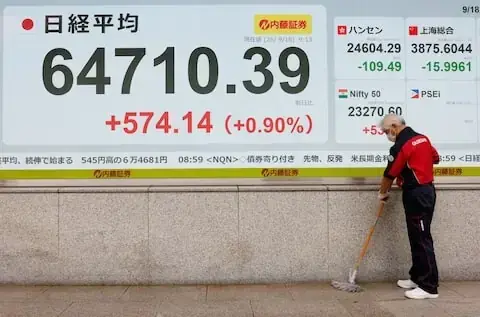
Asian equities wavered on Tuesday as oil prices and bond yields surged, creating an uneasy situation for investors. The 10-year US Treasury yield rose to a 19-year high of 5.27%, marking a 50 basis points increase in September. Bond yields, which fall when prices rise, experienced the heaviest monthly decline in two years. The 2-year yield also jumped by 57 basis points to 5%, suggesting that US growth and inflation will prompt additional Federal Reserve rate hikes in the next six months.
Sovereign yields serve as a benchmark for global markets, influencing stock valuations, mortgages, and corporate borrowing. Higher interest rates put pressure on government, corporate, and household budgets. Nvidia's $150 billion buyback program helped offset a 0.9% drop in the Nasdaq, which is sensitive to interest rates. In Asia, Japan, South Korea, and Australia's bond markets faced pressure, causing regional equity markets to decline.
Angus Hui, Fullerton Fund Management's head of fixed income, stated that the new environment where interest expenses increase for governments signifies stretching sovereign finances and could limit bond recovery if the global economy slows down. Brent crude futures climbed to $106.60 per barrel, and China's tech sector faced uncertainty following US plans to restrict Chinese components in data centers, pushing the CSI300 index to a one-year low.
US AI giant Anthropic aimed for a $2 trillion valuation, with $518 billion dedicated to computing and infrastructure.
Foreign exchange markets remained relatively stable, with the dollar poised for a monthly gain. The yen surged after Japan's top currency diplomat warned that traders should heed Tokyo and Washington's concern about yen weakness. The euro held steady at $1.1367. The Australian dollar, with a recent Reserve Bank of Australia rate hike, was steady at $0.7012, along with further hikes anticipated in February.
Analysts question whether the governor can maintain a hawkish stance to support market sentiment, especially if decisions are not unanimous.
Written by urgent.news from Business Recorder's reporting — not their text. Machine-written — may contain errors; check the original before relying on it.
Also reported by 2 other outlets
- Stocks wobble as bonds slump to monthly loss investing.com
- Stocks wobble as bonds slump to monthly loss straitstimes.com