Spain wants the abortion pill at local health centres: what could change and when
Women who choose a medication abortion in Spain currently have to go to a hospital or a separate clinic, sometimes […]
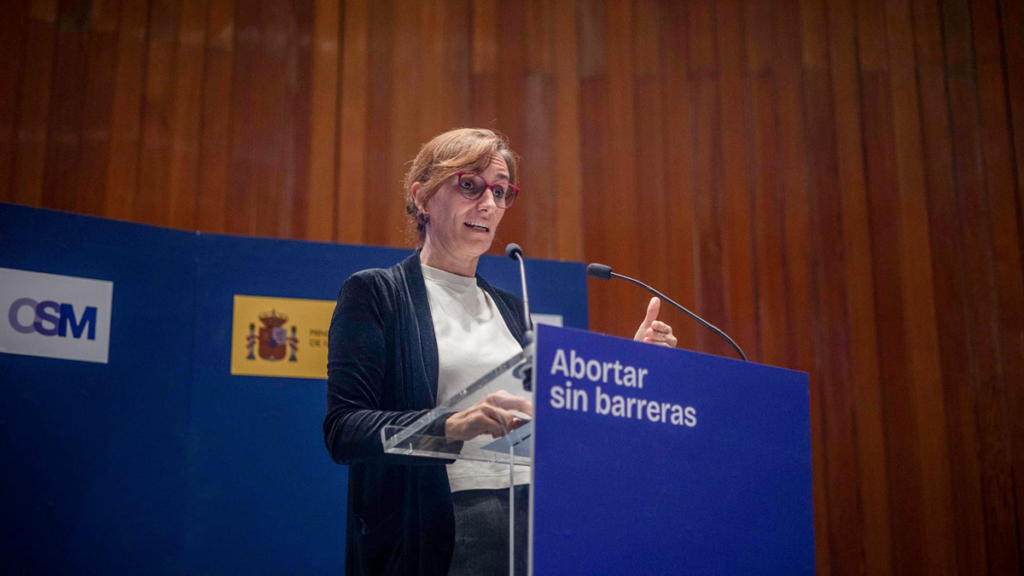
Spain’s Health Ministry plans to allow women to access the abortion pill at local health centres rather than traveling to hospitals or separate clinics. This change, announced on International Safe Abortion Day on September 28 by Health Minister Mónica García, aims to make the process more accessible for women regardless of where they live.
Currently, women must use the abortion pill, which involves two pills taken 24 to 48 hours apart, within a hospital or a dedicated clinic, a limitation that the ministry wants to remove. The process involves changing the royal decree governing health centres and updating the technical data sheet for mifepristone, the first pill, to ensure it is no longer restricted to hospitals.
The ministry will also add the service to the national health system’s common list of services, known as cartera común. However, no specific timeline has been provided for implementing these changes, as it depends on collaboration with regional governments and health professionals. The initiative takes inspiration from Cantabria, where 80 to 90 percent of abortions already occur in public facilities through the pill.
While the plan is expected to be more feasible in regions controlled by the opposition Partido Popular, there are concerns about regions led by the ruling party, such as Madrid and Andalucía, potentially resisting the changes. Doctors retain the right to conscientious objection, which could further complicate the rollout, as not all health centres may be staffed to handle the procedure.
The ministry emphasizes that the decision to offer the pill is clinical, limiting eligibility to pregnancies up to nine weeks and excluding cases like ectopic pregnancies or certain bleeding disorders. Until the necessary documents are updated and dates are set, women will continue accessing abortion services as they do now.
Written by urgent.news from Euro Weekly News's reporting — not their text. Machine-written — may contain errors; check the original before relying on it.