Siri's founder says 'We have the opportunity to design it right this time, so that AI is on our side'
Dubai: Fifteen years after Siri launched, the man who founded it thinks the assistant's original promise is only now being fulfilled, and that cities are where it gets interesting. Tom Gruber, founder of Siri and Humanistic AI, was the first speaker at "The city that thinks" at LIVEX 2026 at ADNEC Centre Abu Dhabi, moderated by Dr Ayesha Khanna, CEO of Addo AI. His case was that a personal agent…
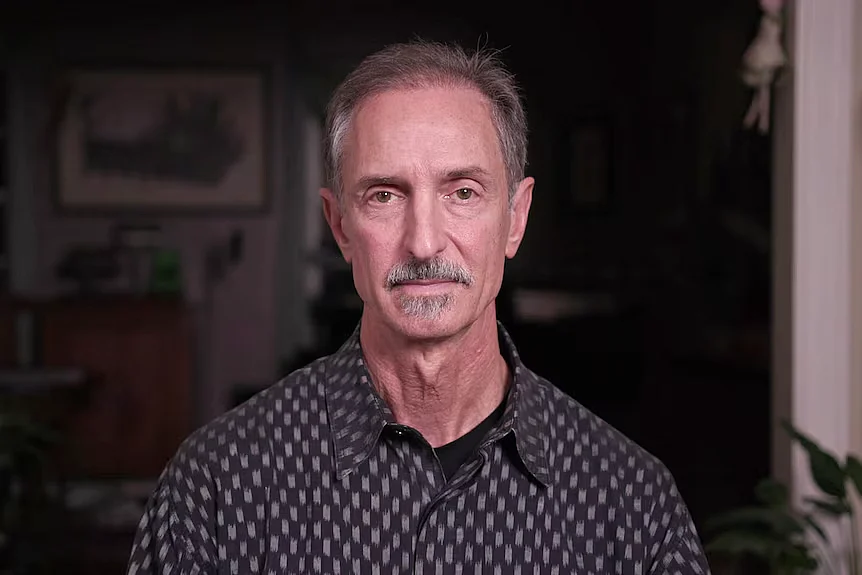
Fifteen years after the debut of Siri, the creator of the virtual assistant believes its original vision is finally coming to fruition, and that cities present a unique opportunity for AI to make a significant impact. Tom Gruber, who founded Siri and Humanistic AI, delivered the opening remarks at LIVEX 2026, an event held at ADNEC Centre Abu Dhabi, moderated by Dr. Ayesha Khanna, CEO of Addo AI.
Gruber argued that a personal AI agent is not merely a tool for streamlining tasks, but a means for individuals to assert control over their lives and access essential services without sacrificing their privacy.
When discussing the emerging wave of personal AI agents, Gruber drew a distinction between those designed for professional use and those focused on personal life. He emphasized that personal AI agents are expected to possess comprehensive knowledge of an individual's needs and provide top-notch service. Gruber affirmed that the vision of Siri has been effectively completed, with agents now capable of handling tasks previously performed manually, such as filling out forms and making phone calls.
However, Gruber highlighted that the real challenge lies in the city setting. Cities operate a vast array of services, each governed by specific rules and protocols, making it impossible for residents to remember all the information. An AI agent, in contrast, can effectively manage these intricate processes on behalf of the citizen.
Gruber provided an example of a family member with a chronic condition requiring frequent hospital visits. In the city's current system, the resident would need to present their medical records to the government to claim priority in the transit system or reserved parking. Gruber's proposed solution involves an AI agent that would manage the relationship with the medical professional, verify the condition through a signed certificate, and ensure the city's entitlement rules are complied with.
This approach would allow the city to grant the necessary benefits to the resident while keeping their medical information confidential.
Gruber touched upon the importance of humanistic AI, particularly in the context of city governance. He defined humanistic AI as technology designed and built with the intention of serving human interests, emphasizing the importance of a collaborative relationship between humans and machines. The ultimate goal, according to Gruber, is for cities to harness the power of AI agents to improve various aspects of life, including transport, education, healthcare, and energy, while ensuring that residents maintain control over their personal information.
Written by urgent.news from Gulf News's reporting — not their text. Machine-written — may contain errors; check the original before relying on it.