SHORE THING: Durban’s latest port crisis fuels doubt in Transnet tie-up with private sector
Switching to a new operating system last month sparked a series of delays at Durban harbour. So far, Transnet’s strategy of leaning on the private sector has not made for smooth sailing.
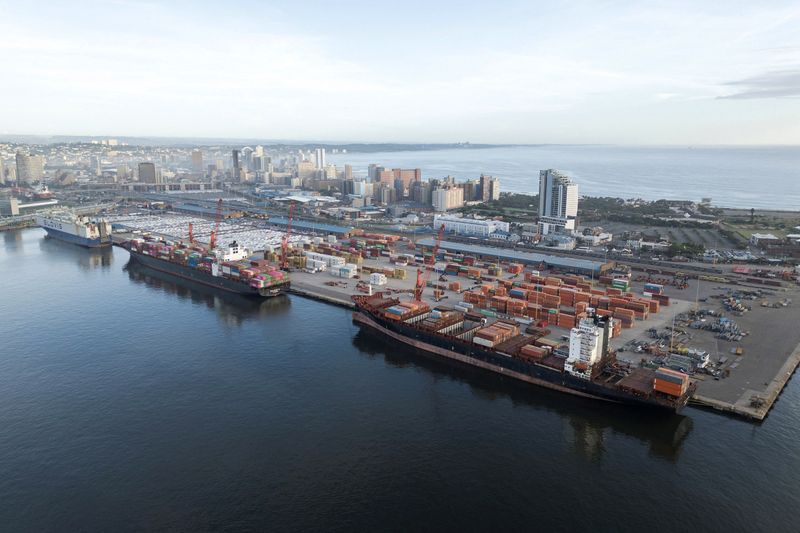
As the South African port of Durban faces yet another port crisis, doubts are growing over the partnership between the state-owned firm Transnet and the private sector. The issue first emerged when the port switched to a new operating system last month, causing a series of delays. Transnet's strategy of relying on the private sector has not proven to be smooth sailing thus far.
Durban, simultaneously a tranquil seaside resort and Africa's busiest port, plays a critical role in moving goods in and out of the country on a daily basis. As a "premium gateway into Africa and the rest of the world," its importance cannot be underestimated. However, this latest crisis has raised questions about the effectiveness of Transnet's approach.
One of Durban's major terminals, the Durban Gateway Terminal (DGT), also known as Pier 2, recently underwent a transition to a new operating system called Navis N4. The partnership with International Container Terminal Services Inc (ICTSI), a Philippines-based firm, was set up as part of a 25-year deal in July 2025. However, the shift to the new system has led to significant operational constraints.
For two months after the changeover, cargo moved at a standstill, with delays extending beyond the planned 12-hour window. The Southern African Association of Freight Forwarders (Saaff) described the disruption as one of the most serious periods of operational constraint at Pier 2 in recent years. ICTSI claims that the partnership will enhance terminal productivity and increase throughput, but the evidence so far suggests otherwise.
Estimates indicate that cargo handled by the terminal dropped by about 30% between August 14 and September 10 compared to the average of the previous four months. While container volumes have recovered somewhat since the initial bottleneck, a Saaff report noted that the vessel backlog remains substantial and volatile.
Despite the terminal reporting that "continued equipment availability constraints mean a full return to normal fluidity will take some additional time," this has left transporters, logistics firms, and time-sensitive cargo owners frustrated. If the aim was to unlock efficiencies through private sector expertise, the ongoing technical difficulties seem to contradict that objective.
Further exacerbating the situation, Durban Gateway Terminal issued a warning about waterside operations being on standby due to windy conditions. Although this being a windy time of year for Durban cannot be entirely dismissed, any administrative changes should ideally account for such factors.
Written by urgent.news from Daily Maverick's reporting — not their text. Machine-written — may contain errors; check the original before relying on it.