Shoppers rejoice, farmers fume as Japan’s rice crisis turns into a surplus
Last year, Japan was flooding its rice market with emergency stockpiles in a bid to mollify voters angered by the soaring price of its staple grain. Now, it has the opposite problem: a glut. That is welcome news for shoppers, but the whiplash is hurting people like Hiroshi Asano, 59, who farms a relatively large 38 hectares (93 acres) of rice fields in Chiba, close to Tokyo. He expects to make a…
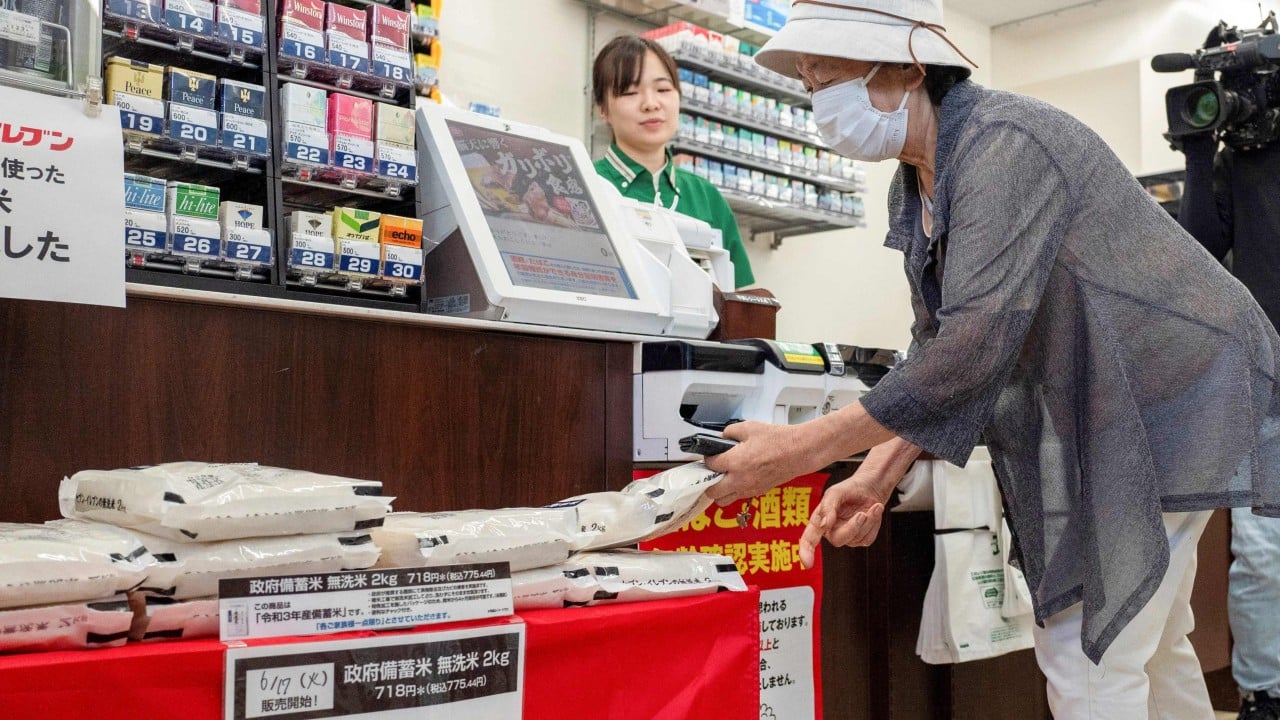
Last year, Japan flooded its rice market with emergency stockpiles to quell voter anger over soaring rice prices. Now, the country faces an opposite problem: a surplus. This surplus is a boon for shoppers but a hardship for farmers like 59-year-old Hiroshi Asano, who farms 38 hectares of rice near Tokyo. Asano anticipates a loss this year and fears smaller-scale farmers may not survive the crisis.
He attributes the surplus to record rainfall, rising machinery costs, and lower prices for their products. Japan's rice producers follow production guidelines and import restrictions to safeguard against price slumps and ensure food security. This system, however, faltered after a hot summer in 2023 produced the lowest rice yield in over a decade, while demand surged due to post-pandemic restaurant occupancy and government earthquake warnings that led to hoarding.
The government initially attempted to alleviate shortages by releasing reserves, but some argue that the 590,000-tonne release was excessive. The government forecasts a 5kg bag of rice dropping to 2,934 yen (US$18.70) in September, its lowest in two years, after peaking at 4,400 yen in January. In response, the ministry plans to buy back 210,000 tonnes of rice to replenish its reserves.
Despite this, prices are expected to fall further, according to Kimio Inagaki, a farm policy researcher. Asano is diversifying his income by producing and selling organic rice. Smaller farmers face challenges as they cannot afford processing and packaging, forcing them to accept lower prices from cooperatives. While consumers enjoy cheaper rice, prices for rice balls at convenience stores have also dropped.
The agriculture ministry has updated its rice forecasting model and introduced a requirement for food processors and service businesses to report inventory and sales data. However, experts warn that rice prices may continue to drop, and the government may need to implement subsidies to support farmers, which could be politically challenging.
Written by urgent.news from South China Morning Post's reporting — not their text. Machine-written — may contain errors; check the original before relying on it.