Russian state company looks to buy stakes in Chinese semiconductor plants for production capacity as domestic technology lags
Russia’s state-owned United Microelectronics Company (OMK) plans to acquire stakes in Chinese semiconductor factories, according to a report by the Kremlin-aligned newspaper Kommersant, which cited sources familiar with the organization’s plans. The move is intended to make it easier for Russian customers to secure manufacturing capacity. One source said OMK wants to buy one or more stakes in…
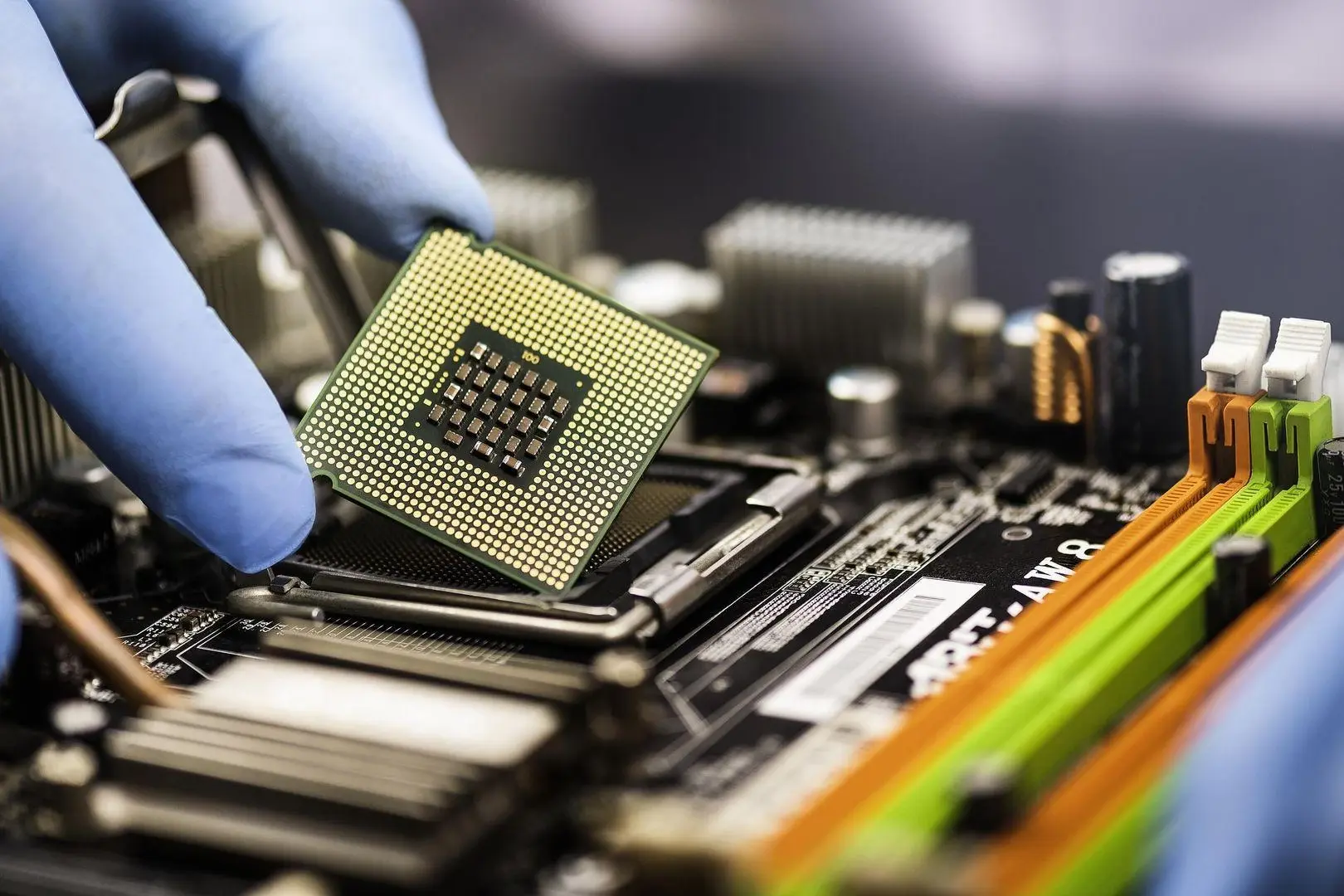
The Russian state-owned semiconductor company United Microelectronics Company (OMK) is reportedly considering the acquisition of stakes in Chinese semiconductor factories, according to a report by the Kremlin-aligned newspaper Kommersant. The acquisition aims to ensure Russian customers have access to manufacturing capacity, with OMK targeting small and less prominent factories that serve both the Chinese domestic market and Russia.
A source cited by the newspaper indicated that OMK is interested in purchasing one or more stakes in such factories. Chinese manufacturers have also floated similar arrangements, suggesting that one or several production lines could cater to Russian needs. Maxim Slugin, a lawyer at Jinshi law firm, noted that while Chinese factories are generally open to Russian investment, they may reject investors linked to the Russian state or those subject to Western sanctions.
Russian research and education center deputy director Alexei Yershov stated that many Russian microelectronics companies, including Baikal, Modul, and Elvis, already have their chips manufactured in China. The deputy director emphasized that buying stakes in Chinese factories would provide Russian companies with a more reliable way to secure production capacity.
OMK, founded in January 2026, aims to develop Russia's microelectronics industry by consolidating resources, creating a full-cycle manufacturing complex, and training skilled personnel. However, Russian semiconductor plants currently lag behind in advanced technology, with the most sophisticated process available being 90 nanometers, a technology dating back to 2003.
Chinese manufacturers are approaching 2-nanometer process technology, which is currently used by leading global players such as Taiwan Semiconductor Manufacturing Co. (TSMC) and Samsung. Both companies ceased operations with Russia in 2022 following the start of the Ukraine war. Despite Russian sanctions, the country continues to import U.S. microchips necessary for missile navigation and internet censorship.
Written by urgent.news from The Insider's reporting — not their text. Machine-written — may contain errors; check the original before relying on it.