Russia unveils underwater swarm drones for oil and gas exploration — USC could control groups of 'up to 1,000 devices' for ship repair and more
Russia's USC has unveiled underwater robots for offshore response, vessel inspection, repair, logistics, hydrographic surveys, and AI-assisted maritime operations.
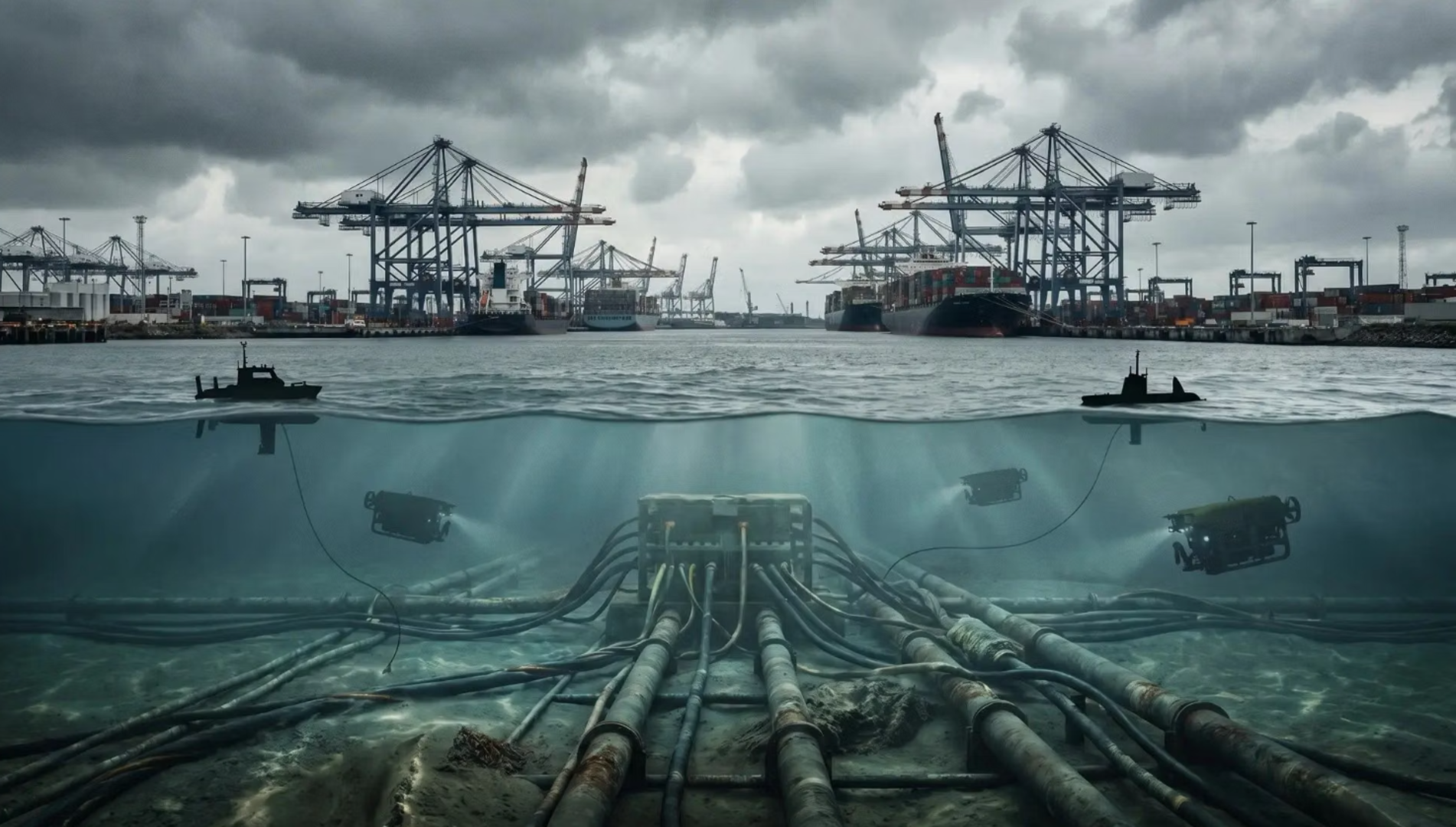
Russian robotic systems for underwater inspections could reach offshore accidents within hours, rather than the days it typically takes for traditional vessels, according to United Shipbuilding Corporation (USC). These drones, showcased at a recent St. Petersburg conference focusing on energy, logistics, and shipbuilding technologies, are designed for oil, gas, and maritime repair operations.
USC's engineering division claims that mobilizing a standard vessel after an accident can take between 4 and 14 days, but their robotic systems can respond within just a few hours, potentially cutting financial losses from drilling platform downtime by up to 85%. These robots can be stationed near offshore infrastructure, eliminating delays caused by weather, distance, and vessel scheduling conflicts.
Additionally, they can inspect ships' hulls, propellers, and rudders while they remain stationary, providing real-time footage and data to human operators for faster decision-making on repairs. USC also unveiled a unified software platform that integrates navigation, sensing, communication links, and AI tools, as well as uncrewed surface vessels for logistics and hydrographic survey missions along Russia's coastal waters.
The company plans to move these robotic complexes into serial production, prioritizing cost control in every future model.
Written by urgent.news from TechRadar's reporting — not their text. Machine-written — may contain errors; check the original before relying on it.