Rate hike puts pressure on Labor over inflation
Another interest rate rise has turned attention to government spending, weak productivity and other domestic pressures contributing to inflation.
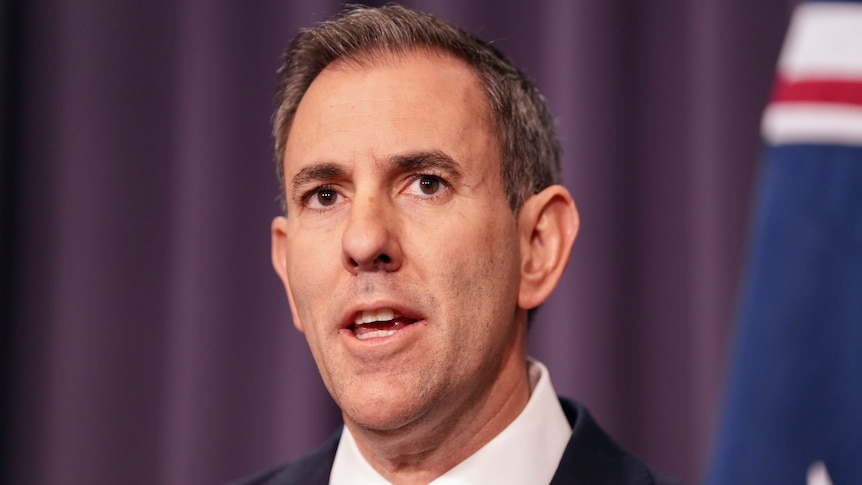
The Reserve Bank has raised interest rates to a 15-year high amid inflation pressures stemming from the Middle East oil shock and a weak Australian economy. This decision has sparked criticism from the Coalition, which is targeting Labor for its economic management. Treasurer Jim Chalmers defended the government's economic record, attributing higher prices to the Iran conflict and an AI investment boom, while acknowledging these were not the sole factors.
Household borrowers are facing increased pressure following the rate hike, which now stands at 4.6 percent. The government's spending, productivity, and economy's ability to meet demand have come under scrutiny. Reserve Bank Governor Michelle Bullock refrained from assigning blame, emphasizing that inflation was driven by domestic capacity pressures and the oil shock.
The government's spending reached 26.9 percent of GDP last year, the highest level in four decades, compared to a total tax take of 24.1 percent. Bullock acknowledged that while demand from the public and private sectors contributed to aggregate demand, productivity had not improved. The rate hike would add about $91 to the monthly payments of a typical homeowner with a 25-year $600,000 mortgage.
Written by urgent.news from ABC News AU's reporting — not their text. Machine-written — may contain errors; check the original before relying on it.