Plantain Varieties Grown in Colombia and Their Uses in Cooking
Plantains are among the most common foods in Colombian cuisine and are part of the everyday diet in different regions of the country. Although plantains are often discussed as a single product, Colombia is home to several varieties with distinctive characteristics, including differences in size, texture, flavor, climate adaptation, and culinary uses. Among the varieties […]
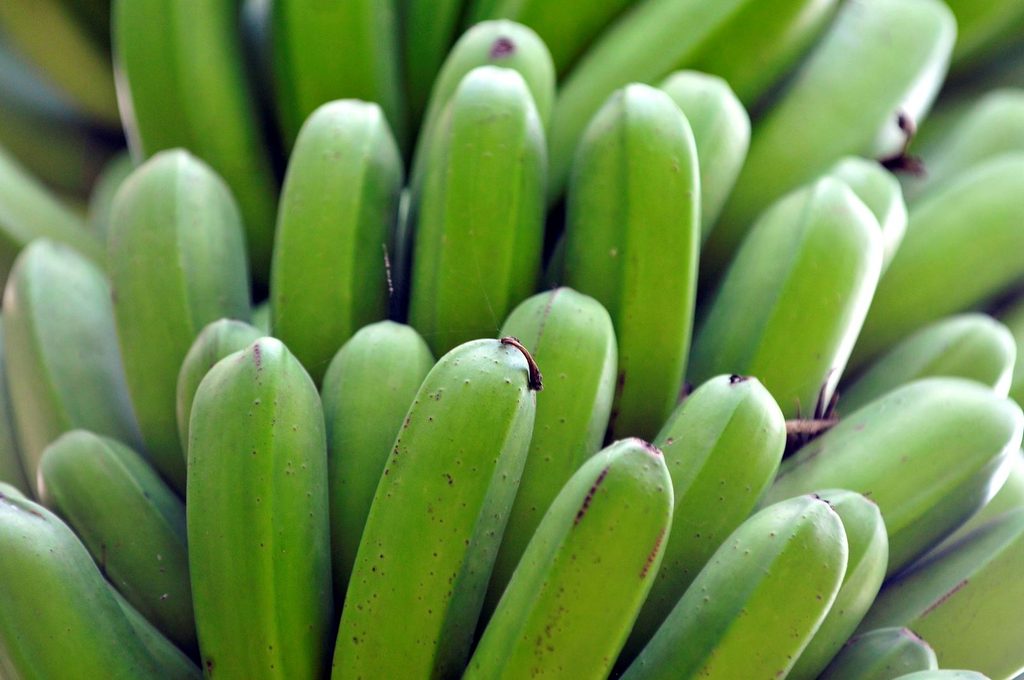
Plantains are a staple ingredient in Colombian cuisine, with a variety of types grown across the country. Each variety possesses unique characteristics that influence their culinary applications. The plantain's adaptability to different climates and farming systems across Colombia has led to the development of several distinct types, such as Harton, Harton Dominico, Dominico, Cachaco or Popocho, Pelipita, and Maqueño.
Harton is the most widely used variety in Colombian cuisine. It produces large, elongated fruits with thick, peelable skin that contains a high starch content when green. As it ripens, the peel turns yellow and the flesh becomes softer and sweeter. Harton is versatile and can be prepared in various ways, including green as the base for patacones, tostones, chips, soups, and plantain-based bollos. When fully ripe, it is often roasted or used in aborrajados, cakes, and traditional sweets.
The Dominico plantain is another prominent variety, particularly in Colombia's Andean and coffee-growing regions. Its fruits are shorter and thicker than those of the Harton variety, with firm flesh and a distinctive aroma that becomes sweeter as it ripens. Found in departments such as Caldas, Risaralda, Quindio, Antioquia, Tolima, Valle del Cauca, and Santander, this variety is well-suited to the Andean landscape.
Green Dominico plantains are used in patacones, soups, sancochos, cakes, and chips. As it ripens, it can be fried, roasted, mashed, or incorporated into desserts and sweets.
The Cachaco or Popocho variety is closely tied to rural Colombian cuisine. Distinctive for its short, thick fruits and robust structure, this variety is primarily grown in Antioquia, the Coffee Region, Tolima, Cundinamarca, Boyaca, and Santander. Cachaco plantains retain their form well during cooking processes, making them ideal for sancochos, stews, soups, and broths.
They can also be boiled, steamed, or roasted once ripe, although they tend to be less sweet than other varieties. In coastal regions like Barranquilla and Santa Marta, Popocho is used to create traditional cayeye, a dish featuring a puree of cooked plantains mixed with grated costeño cheese and a tomato-onion sauce.
Written by urgent.news from Colombia One's reporting — not their text. Machine-written — may contain errors; check the original before relying on it.