Plan to turn Hong Kong office block into flats rejected amid high commercial vacancy rates
Hong Kong’s Town Planning Board has rejected an application from a consortium of developers to rezone a commercial project in Kowloon for development as residential flats, leaving sellers struggling with high vacancy rates, according to analysts. A consortium formed by CSI Properties, Asia Standard International, and Chongqing-born property tycoon Cheung Chung-kiu applied to the Town Planning…
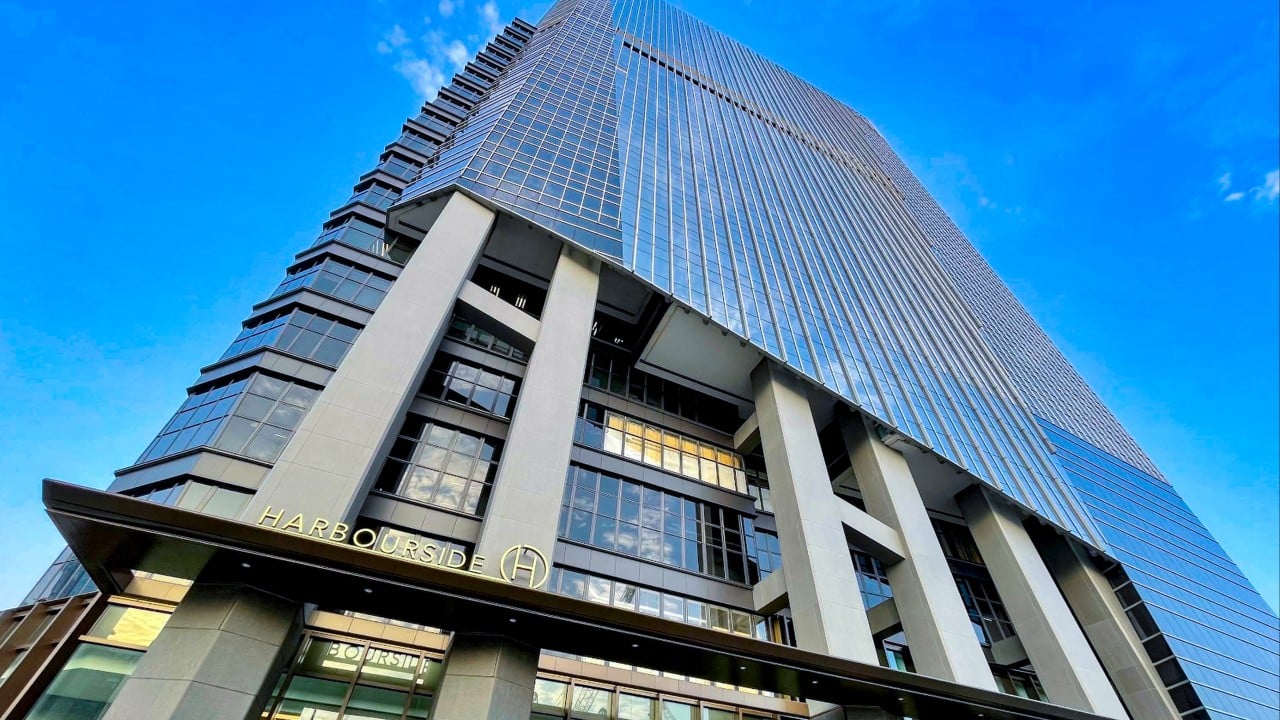
The Hong Kong Town Planning Board has rejected a plan to transform a commercial office building in Kowloon into residential flats, amid high vacancy rates in the commercial sector, according to industry analysts. The developers, comprising CSI Properties, Asia Standard International, and property mogul Cheung Chung-kiu, sought to convert "Harbourside HQ," a Grade A office at 8 Lam Chak Street, Kowloon Bay, into 1,140 residential units.
The redevelopment would have reduced the building's gross floor area by approximately 36%, from 71,664 to 45,787 square meters. Although the Planning Department had previously approved the proposal, the Town Planning Board turned it down after reviewing it on Friday. Developers may appeal the decision or resubmit a revised proposal based on the board's reasons.
Experts predict the outcome was unexpected, as many market observers anticipated approval. Some argue that converting a 16-year-old Grade A office represents unsustainable development practices. The board has thus far rejected three such applications this year, with only one residential conversion in Sha Tin approved. The developers may consider converting the building for student accommodation, but the current regulations may make this impracticable due to strict window, lighting, and space requirements.
Harbourside HQ currently has a 25% vacancy rate, and the surrounding area experiences an increasing commercial vacancy, prompting the developer to await a potential recovery in the office market.
Written by urgent.news from SCMP Business's reporting — not their text. Machine-written — may contain errors; check the original before relying on it.