Parliamentary Privilege and the Limits of Personal Liberty: A study on the immunity of members of parliament from arrest in Ghana
The institution of parliamentary privilege originates from the Westminster tradition, and its core purpose is to safeguard the independence of the legislature in the exercise of its functions, free from undue interference by the executive and the judiciary. However, privilege has never been absolute, nor does it mean that Members of Parliament are above the law.
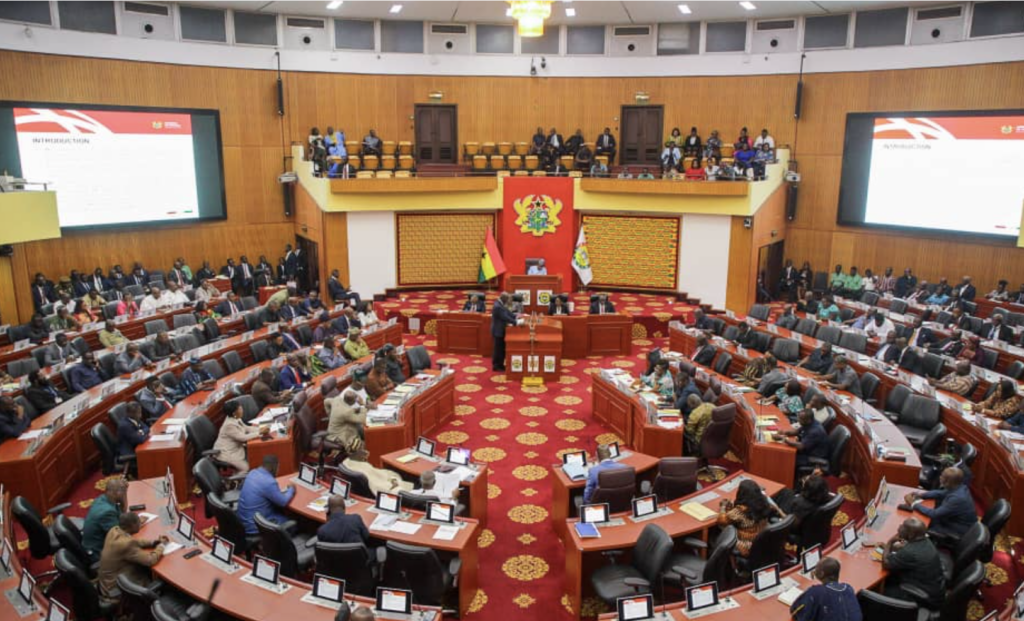
Parliamentary privilege, a concept rooted in the Westminster tradition, serves to shield the independence of legislative bodies from undue interference by the executive and judiciary. However, this privilege is not absolute, and Members of Parliament (MPs) are not above the law. Article 117 of Ghana's 1992 Constitution explicitly states that no civil or criminal process issued outside Parliament can be served on or executed against an MP while they are en route to, attending, or returning from parliamentary proceedings.
This provision demonstrates the restricted nature of parliamentary immunity, applying only to specific temporal and spatial contexts.
In practice, however, the limits of parliamentary privilege have often been contested. In 2021, MP Francis Xavier Sosu faced an arrest warrant from the Kaneshie District Court for failing to appear in court, despite his lawyer arguing that he was attending to parliamentary business related to the anti-LGBTQI+ Bill. This case generated public debate regarding the scope of parliamentary privilege.
This article aims to demonstrate that Ghanaian MPs' immunity from arrest is procedural and situational, rather than substantive. An MP who commits a criminal offense outside Parliament and is not on their way to, attending, or returning from parliamentary proceedings remains subject to the law, just like any ordinary citizen. The legality of an arrest depends on the fulfillment of procedural requirements outlined in Article 14 of the 1992 Constitution and Act 30, rather than on the MP's parliamentary status.
Article 117 of the 1992 Constitution outlines three key elements of parliamentary immunity: (1) the scope is limited to the service and execution of civil or criminal process, not to the criminal liability itself; (2) the temporal condition is "on his way to, attending at or returning from" parliamentary proceedings; and (3) the beneficiaries include the Speaker, MPs, and the Clerk to Parliament.
The official interpretation of this provision by Parliament confirms its limited nature, stating that these freedoms and immunities are only applicable during specific points in time in relation to Parliament and the individual. Once an MP is outside the context of performing parliamentary functions, immunity ceases to exist.
Interestingly, the Government of Ghana has accepted recommendations to amend Article 117 to allow civil or criminal processes from outside Parliament to be served on MPs through the Clerk of Parliament during parliamentary sessions. Outside parliamentary sessions, MPs can be served in the usual manner. This shift reflects a collective reevaluation of parliamentary privilege expansion in Ghana, aligning with the central theme of this article.
Comparing parliamentary immunity provisions across Ghana's four republican constitutions since independence in 1960 reveals a trend from absolute privilege to limited protection. The 1960 Constitution granted no parliamentary immunity for arrest, while the 1969 Constitution introduced provisions for MP immunity from service of process and arrest, although the exact scope remained unclear through judicial practice.
The 1979 Constitution refined the definition of parliamentary immunity in Article 97, specifying its limited applicability to matters "relating to parliamentary proceedings."
Written by urgent.news from MyJoyOnline Ghana's reporting — not their text. Machine-written — may contain errors; check the original before relying on it.