Pakistan urges UNSC to press India over IWT
250 million lives, Indus Basin at stake, Dar tells UN chief
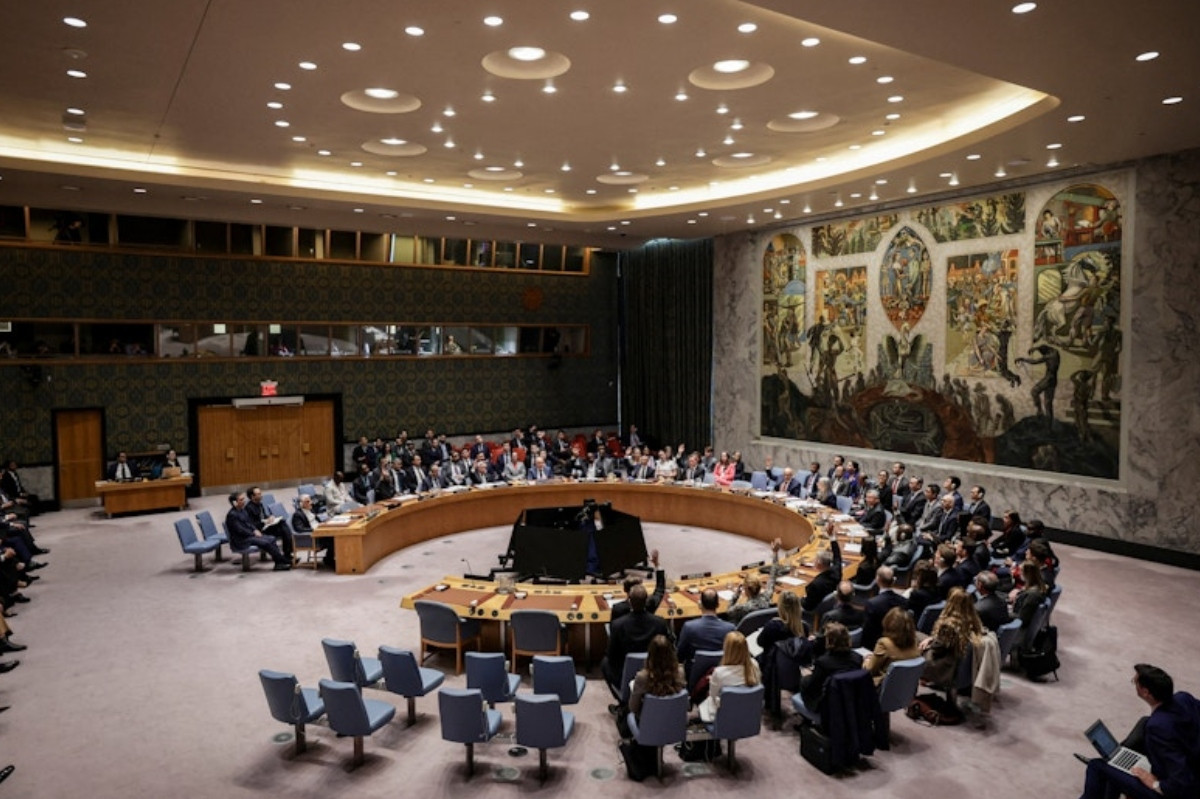
Pakistan has once again reached out to the United Nations, urging the Security Council to compel India to fully adhere to the Indus Waters Treaty (IWT) and respect the rulings of the Permanent Court of Arbitration (PCA). In a letter penned by Deputy Prime Minister and Foreign Minister Ishaq Dar, Islamabad cautioned that any interference with the flow of waters legally allocated to Pakistan under the treaty could result in dire humanitarian, economic, and security ramifications.
The plea was sent in a supplementary letter to UN Secretary-General Antonio Guterres, emphasizing the PCA's August 31 decision that the IWT remains binding and enforceable.
Dar's appeal to the Security Council calls for it to acknowledge the precarious circumstances in the region and request India to implement the treaty and PCA awards, cease any actions that may impede the lawful flow of waters belonging to Pakistan, abandon any projects contradictory to the treaty, and promptly resume all treaty-mandated communications, consultations, and data sharing.
The letter underscores that the Security Council bears the primary responsibility for maintaining international peace and security and preventing the situation from escalating further.
This is Pakistan's second letter to the UN regarding the dispute, following an initial communication on June 17. The latest letter highlights the PCA's August 31 ruling, which affirmed that neither party could justify suspending or terminating the treaty and reiterated that the IWT remains fully in force and binding on both nations.
The letter also references the court's subsequent order on interim measures concerning construction work at the Ratle Hydro-Electric Plant (RHEP), pending the neutral expert's determination on whether the project's design complies with the treaty. The court unanimously ruled that India cannot complete the dam wall and power intake structure beyond specified levels until 90 days after the neutral expert's final decision, expected in July 2027.
Pakistan emphasized to the UN that water security is existential for the country, as the Indus Basin supports nearly 250 million people and is crucial to agriculture, food security, the economy, and environmental sustainability. Any attempt to politicize water distribution or grant unilateral control could trigger far-reaching consequences, including humanitarian, economic, and security repercussions across the region.
The letter warns that India's refusal to accept the treaty's binding nature and the decisions of its dispute settlement mechanisms would set a troubling precedent, potentially undermining the credibility of transboundary water agreements worldwide and the broader international law-based order.
Pakistan reiterated its commitment to dialogue, lawful conduct, and peaceful resolution of disputes, including the core issue of Jammu and Kashmir. However, the country cannot condone the normalization of actions that jeopardize its water and food security, economic stability, and the survival and dignity of its people. In such a scenario, Pakistan has warned that any attempt to obstruct the flow of water legally belonging to Pakistan under the treaty would be deemed an act of war.
The National Security Committee of Pakistan has already highlighted that India's destabilizing actions, specifically its stance on the treaty's validity, continuing violations, and construction of illegal projects like diversion canals, warrant urgent attention and effective action from the Security Council. The council must fulfill its mandate to maintain international peace and security and prevent the situation from deteriorating further.
Dar stressed that the international community must clearly communicate that treaties cannot be arbitrarily suspended, shared water resources cannot be weaponized, and conduct that endangers the lives, livelihoods, and food security of millions of people is incompatible with the UN Charter and international law, including humanitarian and human rights obligations.
Written by urgent.news from The Express Tribune - Pakistan's reporting — not their text. Machine-written — may contain errors; check the original before relying on it.