OpenAI’s latest features take direct aim at the app store model
OpenAI is building out the pieces of an alternative to the traditional app store model, turning ChatGPT into a place where software can be discovered and used by people and AI agents alike.
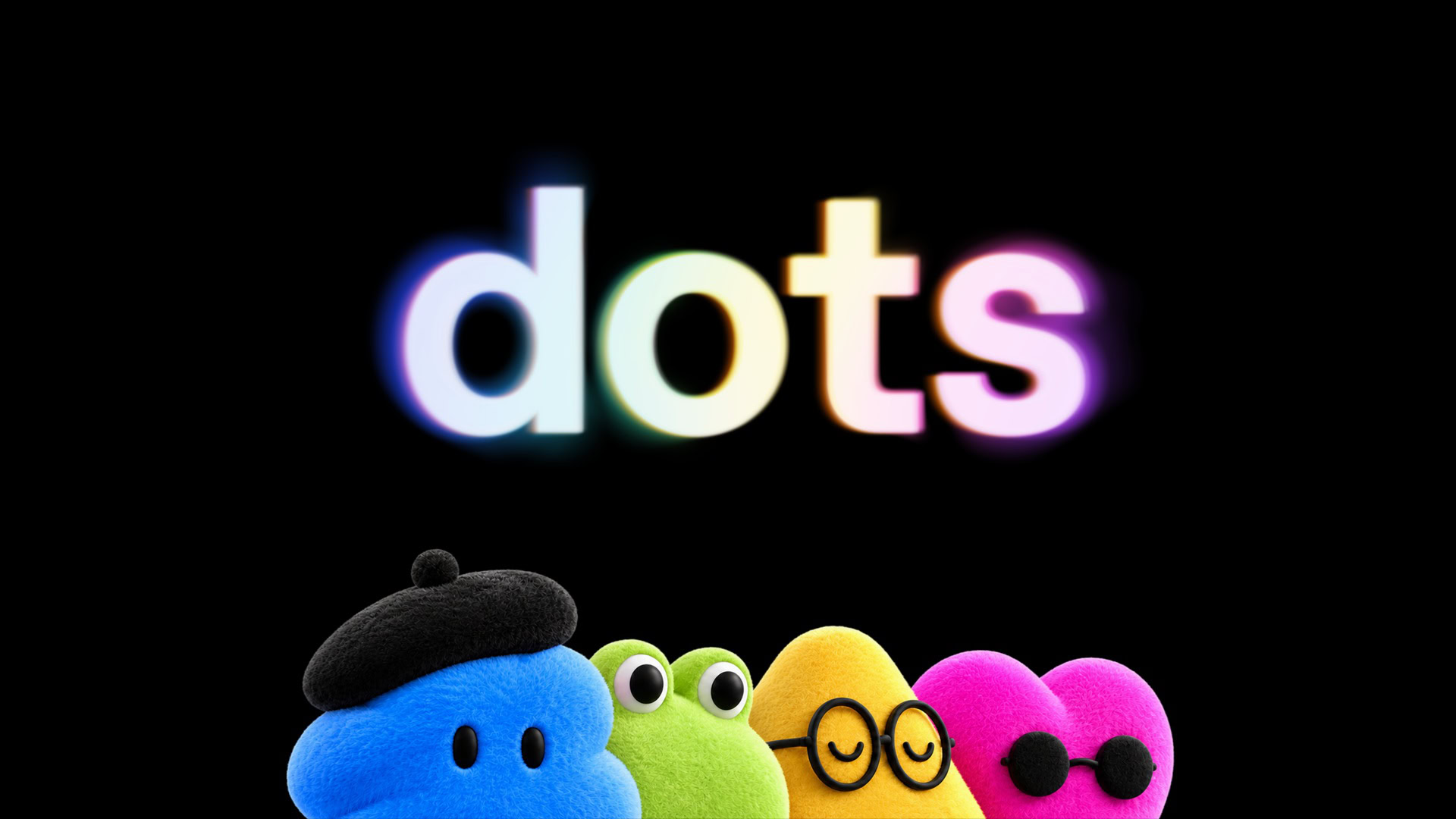
OpenAI's recent Dev Day revealed a strategic shift aimed at challenging the conventional app store model. The company's focus shifted from its agentic assistants, Dots, and new AI models to the idea of integrating software into the ChatGPT interface, effectively transforming the chatbot into a platform for app discovery, launch, and use.
ChatGPT, boasting over 1.2 billion weekly users, will now suggest apps within conversations based on the user's task needs. This development is bolstered by a more extensive plugin architecture, enabling app developers to create interactive panels within ChatGPT for users to leverage their tools while chatting. By signing up for this system, developers can build AI-native versions of their apps, streamlining distribution and eliminating the need for separate app store submissions.
The "Sign in with ChatGPT" feature allows users to bring their AI allowance with them, providing an incentive to use this channel. In a demonstration, OpenAI showcased a meeting app within ChatGPT, where users could access their calendar and utilize AI for tasks like taking meeting notes and summarizing follow-ups.
Moreover, developers will now track plugin reviews more efficiently through OpenAI's version of Apple's App Review process. A new enterprise app marketplace will launch, with initial partners including Adobe, Figma, and Salesforce, among others. Users can apply a portion of their OpenAI commitment toward approved partner software when subscribing through the app maker's website.
OpenAI's autonomous AI agents, Dots, will navigate the web and execute tasks on a user's behalf, connecting to over 4,000 apps in their ecosystem. These agents can proactively offer help and handle tasks the user may have forgotten, all while maintaining user approval and control over actions. Though OpenAI did not explicitly state that these features would eliminate the need for third-party subscriptions, the focus on discovery, distribution, and interface pieces signifies a significant challenge to the traditional app store model.
Written by urgent.news from TechCrunch's reporting — not their text. Machine-written — may contain errors; check the original before relying on it.