OpenAI’s Dots Are Always-On AI Agents—and Its Answer to Meta’s Muse
These cute agents are designed to connect to your apps and tackle multistep tasks.
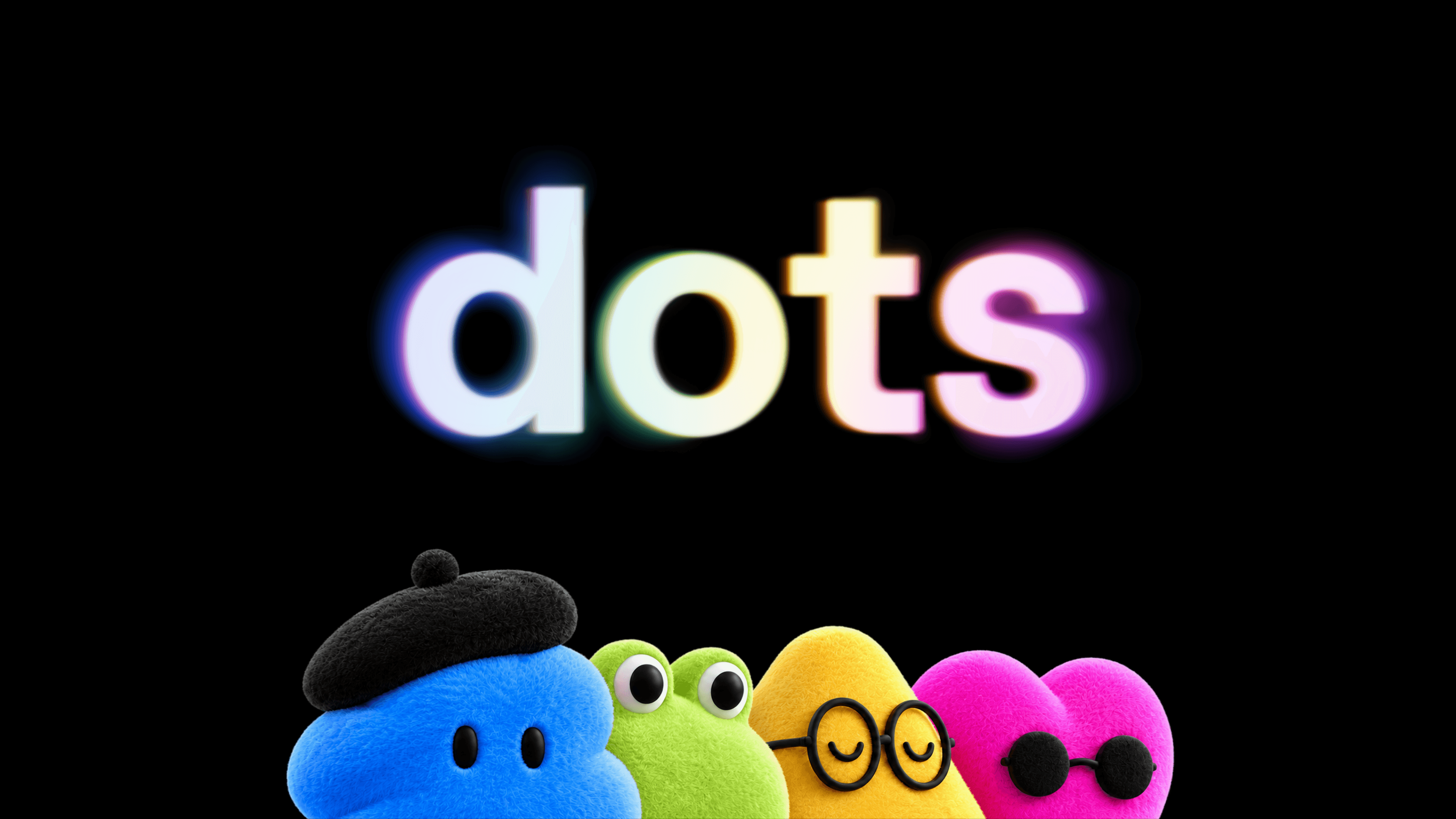
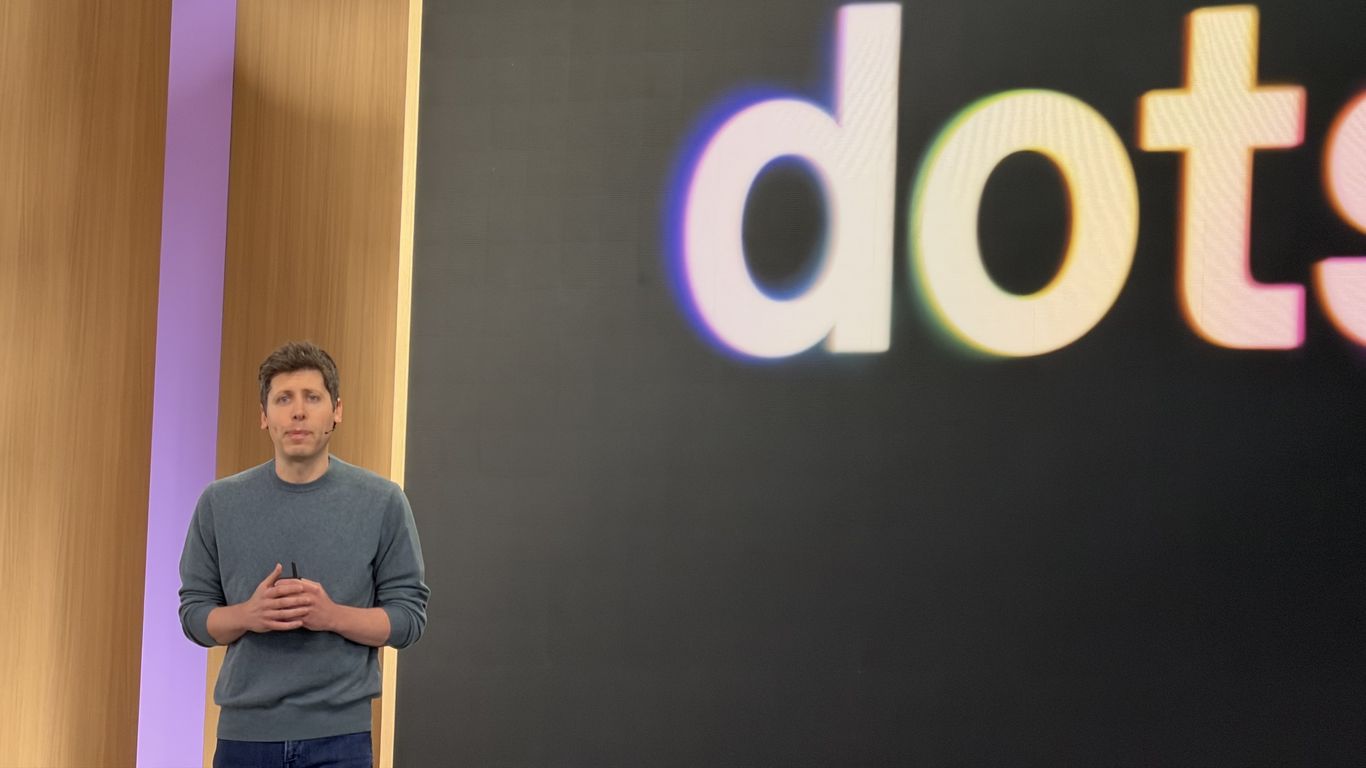
OpenAI has introduced its always-on AI agents, known as Dots, powered by the GPT-6 Astra model. These agents distinguish themselves by constantly scouring the web and attempting to complete assigned tasks, in contrast to traditional single-turn chatbots. Dots integrate context from connected apps and evolve their understanding of user preferences over time.
A demo showcased a user's Dot assisting in planning dinner, proactively suggesting GrubHub food delivery options based on the user's calendar and preferences. The Dot executed the user's chosen order and subsequent delivery timing. Another use case involved a user collaborating with the agent to build a new website, with the ability to message Dots via ChatGPT, Slack, and Microsoft Teams, with the context shared across these platforms.
Pro users can join a waitlist to text with their Dots in iMessage or RCS messaging on Android. Dots launch today for ChatGPT Pro subscribers, priced at $100 per month. Initially available to this tier, OpenAI plans to expand access over time. Starting with a single Dot, users can eventually control multiple agents simultaneously.
Dots require explicit approval before undertaking sensitive actions on a user's behalf, such as software installation or password changes. Users can employ a Custom Rules tool to establish boundaries and permissions for agent activities. Personal AI agents are experiencing a surge in popularity, with Meta's Muse agent capturing significant attention.
While Muse enjoyed early success in the smartphone app charts, Dots aims to challenge Meta's lead. This development story is ongoing, so readers are advised to revisit for updates.
Written by urgent.news from Wired's reporting — not their text. Machine-written — may contain errors; check the original before relying on it.