Oil prices rise as bond sell-off hits global markets
Oil prices climbed further on Tuesday as uncertainty over US-Iran talks fuelled inflation fears. Government bond yields rose to multi-year highs, putting pressure on stocks.
On Tuesday, international crude oil prices surged as concerns over US-Iran negotiations loomed, with expectations of reopening the strategic Strait of Hormuz diminishing. The possibility of a Middle East truce crumbled when President Donald Trump declined Iran's seven-day ceasefire proposal. Diplomats are negotiating between the US and Iran to restore peace and reopen the Hormuz passageway, which has hindered global trade and contributed to inflation.
Iran has suggested opening the strait if the US eases sanctions and removes its blockade of Iranian ports, but both sides remain at odds over the pace of concessions and who should act first.
Brent crude, the global benchmark, jumped nearly 2% and traded above $107 a barrel early Tuesday, significantly higher than the $72 in late February before the Iran crisis. US West Texas Intermediate crude increased 1.8% to over $94 a barrel. These elevated oil prices have reignited inflation concerns, prompting the Federal Reserve to consider another interest rate hike next month.
Consequently, government bond prices have plummeted, driving yields to their highest levels in 19 years. The 10-year US Treasury yield surpassed 5.27% on Monday, its highest point in 19 years, following a nearly half percentage point rise through September. The two-year yield has also climbed by more than 0.57 percentage points this month to nearly 5%.
Government bond yields impact borrowing costs across the economy, from mortgages to corporate loans. As yields climb, governments, businesses, and households face higher expenses, while stocks may become less appealing to investors. In Japan, the 40-year government bond auction attracted its strongest demand since 2020, driven by relatively high yields appealing to investors, as reported by Bloomberg.
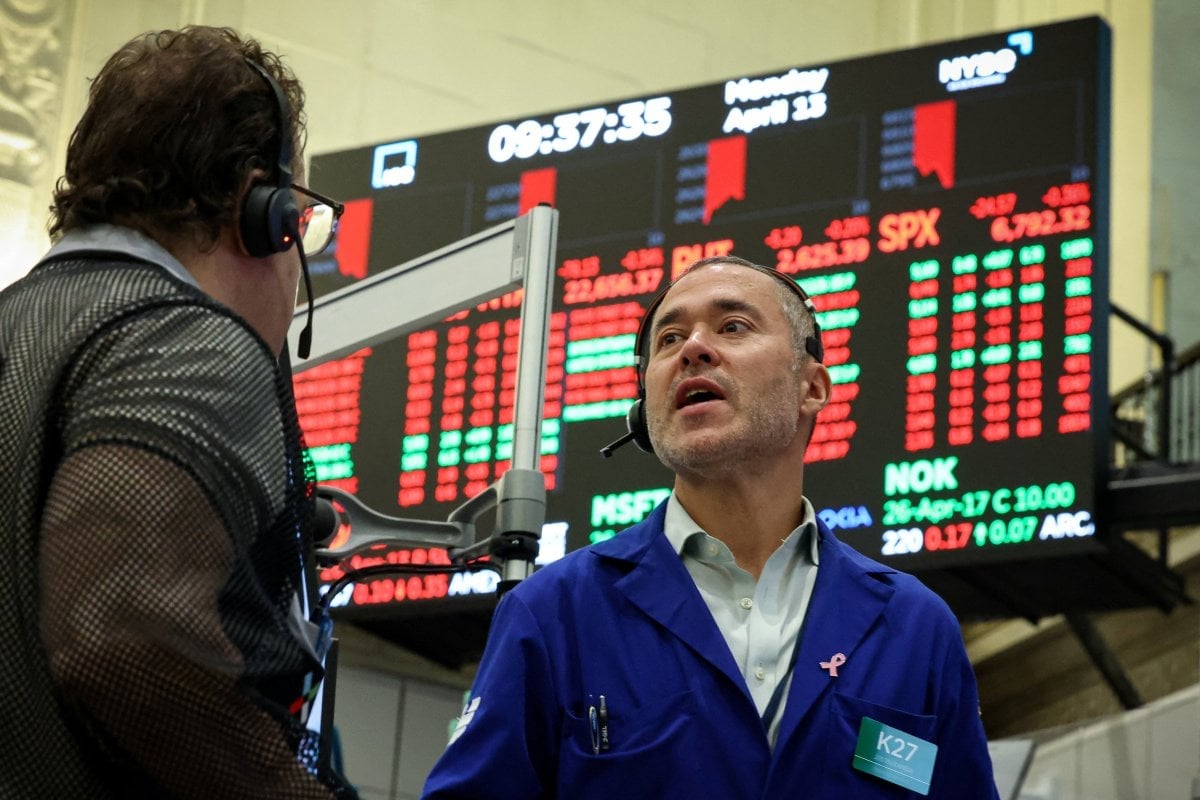
Stock markets also suffered, with all three major Wall Street indexes falling on Monday. In Asia, Tuesday saw Japan's Nikkei 225 dip 1.3%, South Korea's Kospi decline 0.9%, and Hong Kong's Hang Seng drop 0.6%. Hong Kong-listed shares of Shein plummeted 11.7% after the fashion retailer reported a 67% drop in quarterly adjusted net profit from the previous year.
The Shanghai Composite remained unchanged following a report from China's Xinhua News Agency on Monday that the State Council had discussed improving economic policies.
Australia's S&P/ASX 200 fell slightly more than 0.1% in early Europe trading. The Reserve Bank of Australia raised its key interest rate by 0.25 percentage points to 4.6%, a 15-year high, as surging oil prices fueled inflation. The bank stated that higher fuel costs were driving up prices across the economy while growth and inflation had been stronger than anticipated.
The US dollar edged up to 157.42 Japanese yen from 157.39 yen. Meanwhile, the euro slipped to $1.1362 from $1.1371. Gold stayed near $4,160 after sharp losses on Monday, as expectations of further rate hikes weighed on the metal, which generates no interest. Investors are also anticipating key US inflation and jobs data this week that could influence the Fed's upcoming decision, with markets pricing in another rate increase at the end of October.
Written by urgent.news from Euronews's reporting — not their text. Machine-written — may contain errors; check the original before relying on it.