Officials, experts stress importance of gender equality commitments in development projects
QNADohaOfficials and experts stressed the need to translate commitments on gender equality into practical measures that strengthen the role of partnerships in development projects...
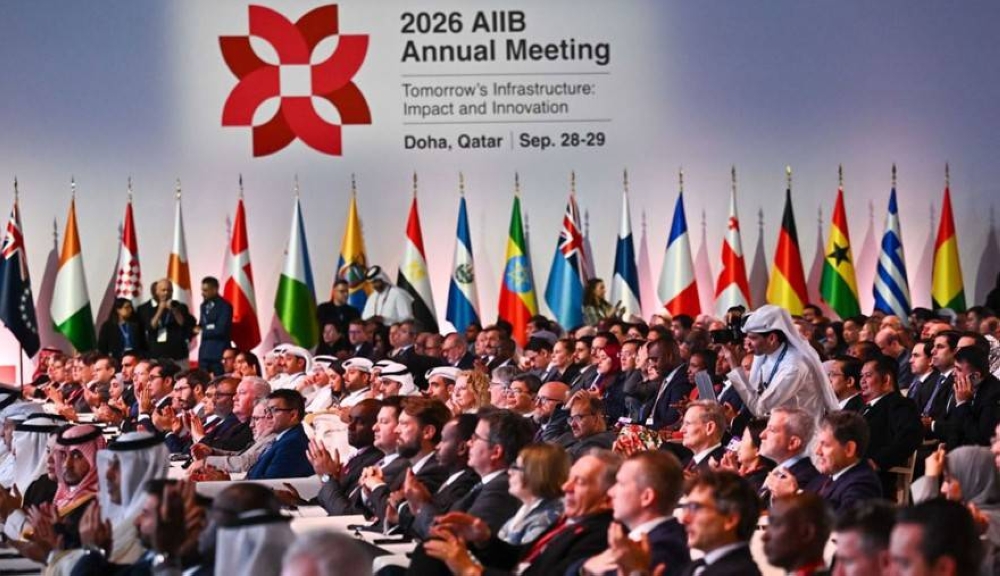
Officials and experts gathered at the 11th Annual Meeting of the Board of Governors of the Asian Infrastructure Investment Bank (AIIB) to emphasize the critical role gender equality plays in development projects. They stressed the necessity of converting gender equality commitments into actionable measures that bolster partnerships, ensuring gender considerations are integrated throughout the investment process.
This discussion, part of the AIIB's ongoing efforts, involved high-profile participants including the Minister of Finance of Tanzania, the AIIB Board Member, a leading media figure, and a gender and economic inclusion specialist from the European Bank for Reconstruction and Development.
The AIIB's Gender Action Plan is highlighted as a testament to the Bank’s dedication to promoting inclusive investments through robust risk management and value creation. The plan aims to boost economic opportunities for women, enhance their decision-making roles, cultivate their skills, and elevate their participation rates. Key to this initiative is the call for multilateral development banks, governments, the private sector, and civil society organizations to convert these gender-focused commitments into tangible outcomes, stressing the importance of partnerships, knowledge exchange, and evidence-based strategies to amplify impact.
Experts underscored that gender mainstreaming has transitioned from a peripheral concern to a central driver of infrastructure quality and inclusive growth. This shift is underscored by the AIIB's annual panel discussions on gender issues since 2023, reflecting a growing acknowledgment that infrastructure development inherently influences gender dynamics, affecting areas such as education, employment, safety, and access to essential services.
The conversation extended beyond risk management to explore how incorporating gender considerations can enhance project value and outcomes, ensuring that infrastructure benefits are equitably distributed.
Advancing gender equality in development begins with identifying gender disparities, setting national priorities, and progressing through planning, budgeting, design, financing, implementation, monitoring, and outcome evaluation stages. Experts called for increased ambition in leveraging financing mechanisms and measurement practices to improve gender-related results across these stages.
They also emphasized the Bank’s internal need to intensify efforts to achieve better gender outcomes, moving beyond risk management to actively seek out opportunities that can deliver broader, more transformative impacts.
Written by urgent.news from Qatar Tribune Business's reporting — not their text. Machine-written — may contain errors; check the original before relying on it.