O novo trunfo de Trump contra o aço importado – e o minério brasileiro
Donald Trump continua determinado em reviver a indústria do aço nos EUA – e espera se cacifar eleitoralmente com isso nas eleições de meio de mandato, em novembro. O Presidente americano anunciou ontem um projeto de US$ 15 bilhões da Mesabi Metallics: a construção, em Iowa, de uma das maiores siderúrgicas do país. A usina […] The post O novo trunfo de Trump contra o aço importado – e o minério…
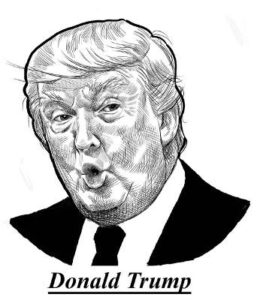
Donald Trump remains committed to reviving the US steel industry and anticipates electoral gains from this strategy in the mid-term elections. The President announced a $15 billion project by Mesabi Metallics to build one of the largest steel mills in the country in Iowa. The facility will have an annual capacity of 7.5 million tons in its first phase, but could reach 10 million tons, almost 10% of the current country's consumption.
The new mill will process ore from a new Mesabi mine in Minnesota, a $2.5 billion investment. This is the first time ore has been mined in the US in over 50 years. The project was presented as "100% American," from ore extraction to steel manufacturing. The production in Iowa is expected to begin in five years, creating 1,750 direct jobs and about 6,000 construction jobs before then.
The Midwestern voter was crucial to Trump's victory two years ago, but now the President's popularity is declining in the region. Mesabi is part of one of India's largest conglomerates, the Essar Group. The investments in the US have a financing of $10 billion from the US EXIM Bank. The mine and steel mill project was presented by Essar Group almost 20 years ago, according to the Wall Street Journal.
However, the investments have taken too long to materialize, and the company even lost out to Cleveland-Cliffs on some exploration licenses in Minnesota. During a ceremony in the Oval Office on Monday, Trump claimed that the new investments by Mesabi in the steel mill and mine were only possible due to the tariffs imposed on imported steel.
"Everyone is building their plants here because no one wants to pay a tariff," said the President. "It's not complicated." Commerce Secretary Howard Lutnick said the Essar Group's project will help the US reduce its dependence on imported inputs for steel production, including Brazilian iron ore. For BTG, details about the project, such as what products will be manufactured in the new mill, still need to be clarified.
"We see virtually no impact on US steel prices in the short to medium term, and production volumes are likely to be a substitution for imports, if current tariff protection is maintained," wrote the team led by analyst Leonardo Correa. The bank considers the announcement to have a clear political dimension, occurring just a few weeks before the mid-term elections, while important details, including the final location and the full financing package, remain undefined.
US steel mills have no reason to complain about the current state of the American market, as they are able to raise prices and expand margins with high domestic demand and protection against foreign competition. The US produces between 80 and 90 million tons of steel a year and imports between 20 and 25 million tons. Since last year, the tariff has been 50%, and a ton of steel on the American market has risen from $800 to $1,300, according to Barron's.
One of the biggest beneficiaries of Trump's protectionism has been Nucor, the largest steel mill in the country. The company's stock has surged 76% over the past 12 months and is hovering around its historical high. During the same period, the VanEck Steel ETF has gained 42%. However, on Monday, steel sector stocks had a down day and continued to decline today.
Analysts say the Indian investment will take time to increase steel supply, but it's a sign that the market will become more competitive in the coming years.
Written by urgent.news from Brazil Journal's reporting — not their text. Machine-written — may contain errors; check the original before relying on it.