Nasa announces new missions for Boeing Starliner spacecraft
The Starliner was last used in June 2024 after its botched test flight left two astronauts stranded at the International Space Station for months.
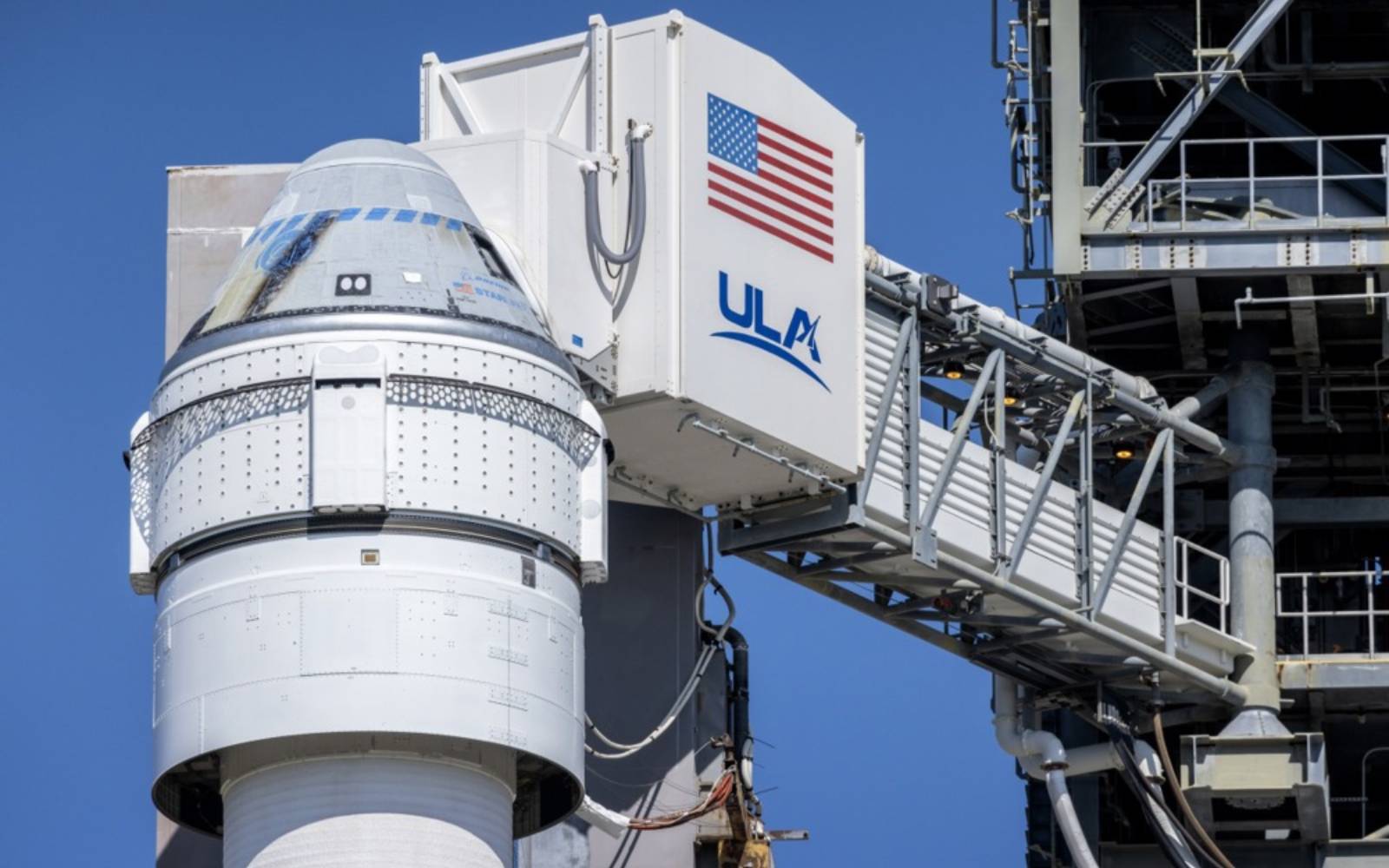
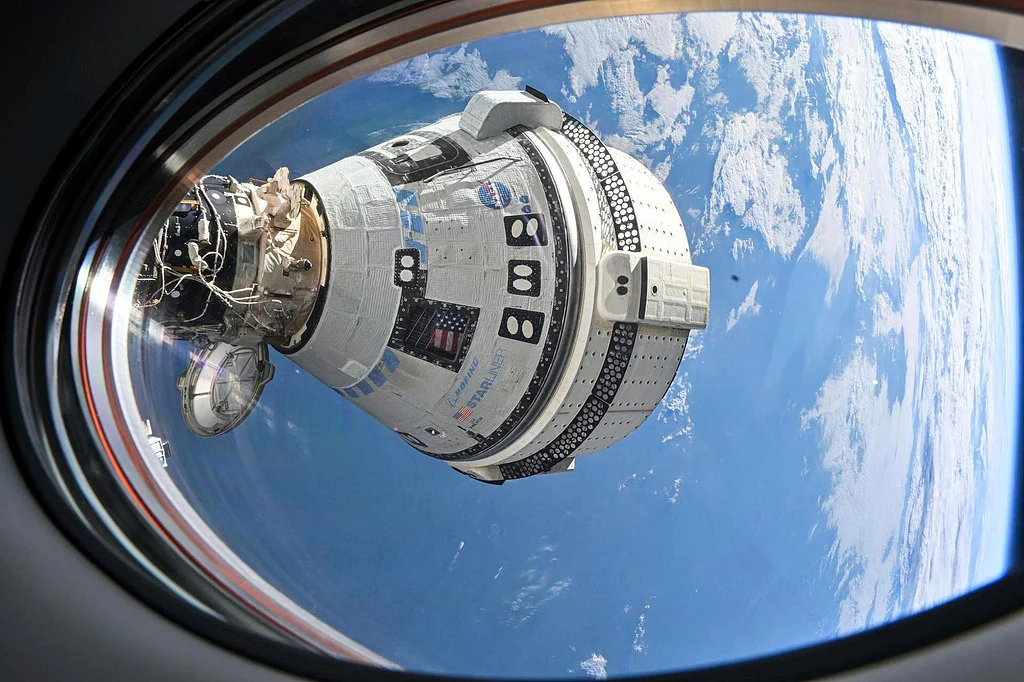
NASA announced on Monday that it plans to utilize Boeing's Starliner spacecraft for new missions, marking the first since a botched test flight left two astronauts stranded at the International Space Station for months. The Starliner was last utilized in June 2024 to transport American astronauts Suni Williams and Butch Wilmore to the ISS for an eight-to-14-day mission.
However, the spacecraft experienced propulsion issues during orbit, rendering it unsuitable for returning the astronauts, resulting in a nine-month stay at the orbiting outpost before their safe return.
NASA classified the engineering vulnerabilities in Starliner as a "Type A" mishap, the same category as the deadly Challenger and Columbia space shuttle disasters. In a report evaluating the troubled test flight, NASA attributed the issues to these engineering vulnerabilities. Both NASA and Boeing have been working to rectify these problems in preparation for two upcoming missions involving the Starliner spacecraft, which plays a crucial role in NASA's long-term space goals.
The first mission, anticipated to occur by December at the earliest, will be an uncrewed flight returning to the ISS to assess the effectiveness of recent remediation efforts. NASA Administrator Jared Isaacman informed reporters on Monday that subsequent to gathering data and implementing additional changes recommended in the Program Investigation Team report, plans will be made for a crewed Starliner Two mission in 2028.
A successful crewed Starliner mission is vital, as rival SpaceX has indicated intentions to cease production of its reusable Crew Dragon capsules, which have been the sole other spacecraft to transport US astronauts to the ISS since 2020.
Written by urgent.news from Free Malaysia Today's reporting — not their text. Machine-written — may contain errors; check the original before relying on it.
This story
This is one outlet's version. Read the fullest account.
- NASA ramps up support to get Boeing’s astronaut capsule flying after Butch and Suni fiasco winnipegfreepress.com
- NASA will try again with Boeing’s space capsule after an earlier mission was so botched it was reclassified as a crew-endangering ‘Type A mishap’ fortune.com
- NASA announces new missions for Boeing Starliner spacecraft gulfnews.com
- Nasa announces new missions for Boeing Starliner spacecraft freemalaysiatoday.com
- NASA announces new missions for Boeing Starliner spacecraft nst.com.my
- Boeing "incredibly excited" to serve as nation's only astronaut transportation arstechnica.com
- NASA Announces New Missions For Boeing Starliner Spacecraft ndtv.com
- NASA to attempt uncrewed and crewed missions with Boeing’s troubled Starliner spacecraft scientificamerican.com