Most powerful obesity drug yet: People lost up to 25% of weight in trial
Retatrutide is a triple-hormone obesity drug simulating GLP-1, GIP, and glucagon.
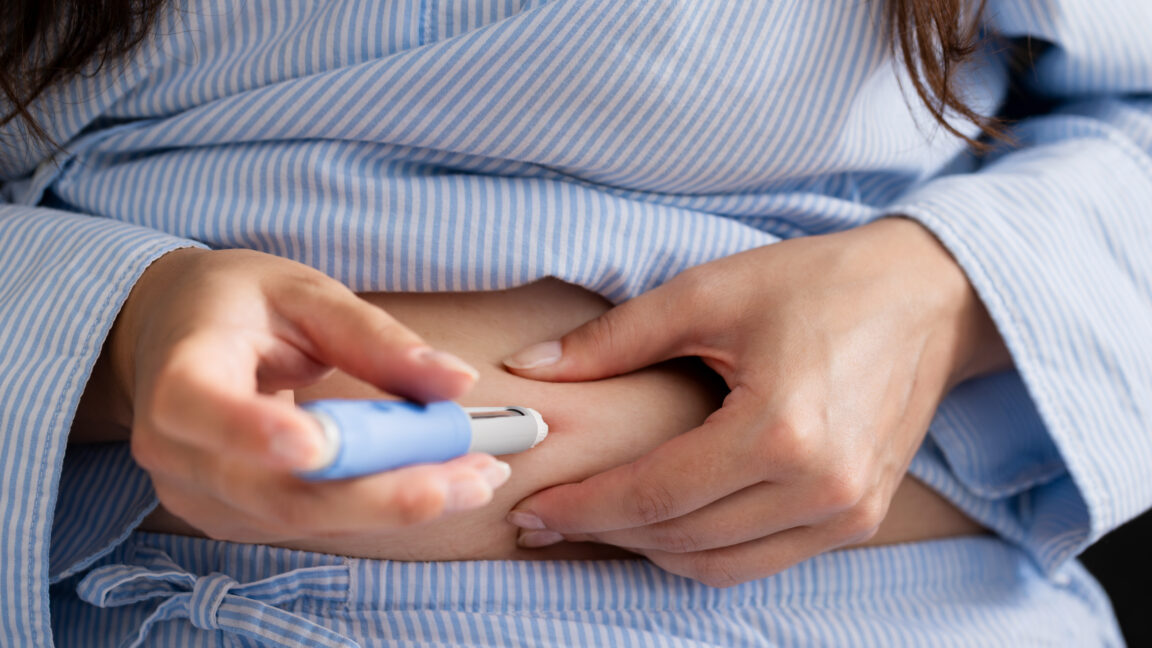
Researchers have released late-stage clinical trial data for the new obesity drug, retatrutide, which is expected to be the most potent option yet. The results align with the high expectations surrounding the drug. Individuals on the highest dose of retatrutide lost an average of 25% of their body weight after 80 weeks, and an average of 30% after an additional 104-week extension period.
Over a third of participants experienced a 30% or greater weight loss. The drug also demonstrated effectiveness in alleviating knee pain (by up to 62%) in those with obesity-linked knee osteoarthritis, and reducing the number of sleep apnea events per hour (by up to 57%) in those with obesity-linked obstructive sleep apnea. Furthermore, retatrutide improved various cardiometabolic measurements, including blood pressure, triglycerides, and low-density lipoprotein cholesterol (bad cholesterol).
At the beginning of the trial, more than a third of participants had prediabetes, but the condition had resolved in more than 90% of them by the end. The trial began in 2023 and involved 2,339 participants from 131 clinical trial sites across 11 countries. Participants were divided into four nearly equal groups, receiving either 4 mg, 9 mg, 12 mg of retatrutide, or a placebo.
Across all groups, the starting weight averaged around 113 kg (250 pounds), and the average Body Mass Index (BMI) was 40. Separate analyses were conducted on subsets of 574 participants with knee osteoarthritis and 243 participants with obstructive sleep apnea. The results were published today in the New England Journal of Medicine.
Written by urgent.news from Ars Technica Health's reporting — not their text. Machine-written — may contain errors; check the original before relying on it.