MNF 2026: Vice President calls for stronger global cooperation to tackle malnutrition
By Rachel Quartey & Rukayatu Musah Vice President Professor Naana Jane Opoku-Agyemang has called for sustained investment, stronger public institutions and international cooperation to tackle malnutrition and micronutrient deficiencies, warning that poor nutrition continues to undermine human development and the prospects of future generations. She made the call at the opening of the 7th Global…
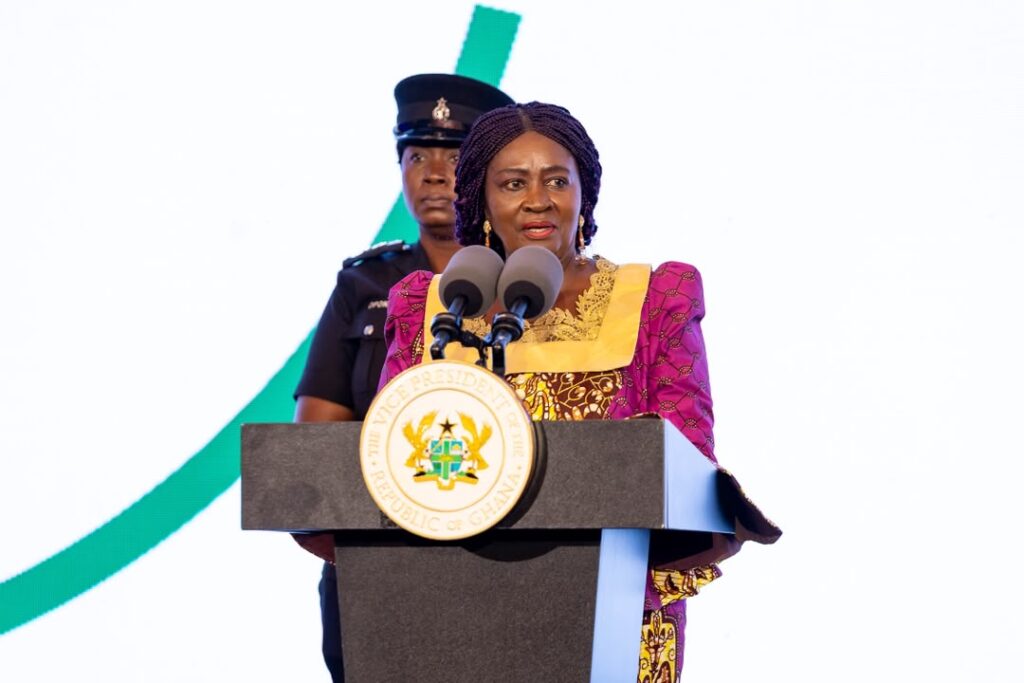
Vice President Professor Naana Jane Opoku-Agyemang has urged for enhanced global collaboration and intensified investments to confront malnutrition and micronutrient deficiencies, warning that inadequate nutrition perpetuates human development challenges and future prospects. This call was made during the inaugural session of the 7th Global Conference of the Micronutrient Forum (MNF 2026) in Accra.
The four-day event, set to run from September 28 to October 1, convenes experts, policymakers, development partners, civil society, and private-sector stakeholders to brainstorm solutions for nutrition issues in an evolving climate.
Professor Opoku-Agyemang emphasized that malnutrition has profound implications, particularly affecting children, women, and future generations. Poor nutrition in early life can adversely impact physical growth, cognitive development, and long-term prospects. For girls, these effects may extend into adulthood and pregnancy, potentially endangering the health of both the mother and child.
She stressed that effective malnutrition mitigation necessitates a multifaceted strategy encompassing science, sustained funding, robust public institutions, resilient food systems, and international cooperation.
Regarding Ghana's specific challenges, the Vice President identified anemia among women and adolescent girls, low-quality diets, and insufficient dietary diversity as persistent issues, despite ongoing interventions in maternal and child health, adolescent nutrition, school feeding, and social protection. She highlighted that nutrition outcomes are influenced by various factors, such as agricultural output, household affordability, school meals, parental knowledge, and healthcare access, necessitating coordinated efforts across sectors.
The government has taken steps to bolster nutrition services, including allocating funds for essential nutrition commodities, multiple micronutrient supplements, and equipment for assessing and tracking nutritional status. Moreover, Professor Opoku-Agyemang underscored the importance of enhancing the nutritional quality of meals under Ghana’s School Feeding Programme, which currently serves over 4.5 million children. Improving the meals' nutritional value is as crucial as expanding the program's reach, she asserted.
She also connected nutrition to agricultural development, citing the Government’s Feed Ghana Programme as a means to boost domestic food production, strengthen food security, and make nutritious foods more accessible. Additionally, she pointed to the Free Primary Healthcare Programme as a platform for integrating nutrition into preventive healthcare, maternal and child health services, immunization, and community-level care.
On funding, she called for a balanced approach of domestic investment and international partnerships, warning that countries grappling with high malnutrition rates often encounter fiscal constraints exacerbated by climate shocks and competing healthcare demands. "Domestic financing and international partnership should not be viewed as mutually exclusive," she stressed, advocating for resources that foster sustainable nutrition systems instead of short-term solutions.
The conference aims to facilitate the exchange of scientific knowledge, policy insights, and innovations, while highlighting leadership from Africa and other low- and middle-income nations. Professor Opoku-Agyemang stressed that discussions must culminate in tangible improvements for the people most affected by these issues. "Our efforts must center on the individuals whose lives these dialogues impact," she stated.
She expressed Ghana’s commitment to sharing its experiences and learning from other countries and partners before officially opening the 7th Global Conference of the Micronutrient Forum.
Written by urgent.news from GBC Ghana's reporting — not their text. Machine-written — may contain errors; check the original before relying on it.