Lindungi PKS tempatan daripada lambakan barangan asing, gesa badan pemikir
Global Institute for Tomorrow memberi amaran lebih banyak perniagaan kecil tempatan berisiko gulung tikar jika tidak dilindungi daripada persaingan berlebihan.
Malaysia's government is taking measures to protect small and simple enterprises (PKS) from being overwhelmed by imported goods, including those from China, in order to prevent local businesses from shutting down and losing jobs. Global Institute for Tomorrow's founder Chandran Nair stated that the Malaysian government has the right to protect its domestic industry from excessive competition without necessarily breaking the World Trade Organization (WTO) rules.
He emphasized the importance of protecting sectors from being overwhelmed or dominated by excessive production or exports. Chandran suggested that Malaysia can protect local PKS through discussions with China, in addition to implementing stricter rules for foreign companies entering the domestic market. However, he noted that protection measures alone are not enough, and the government needs to increase investment in science, technology, and other industries to foster innovation and boost productivity.
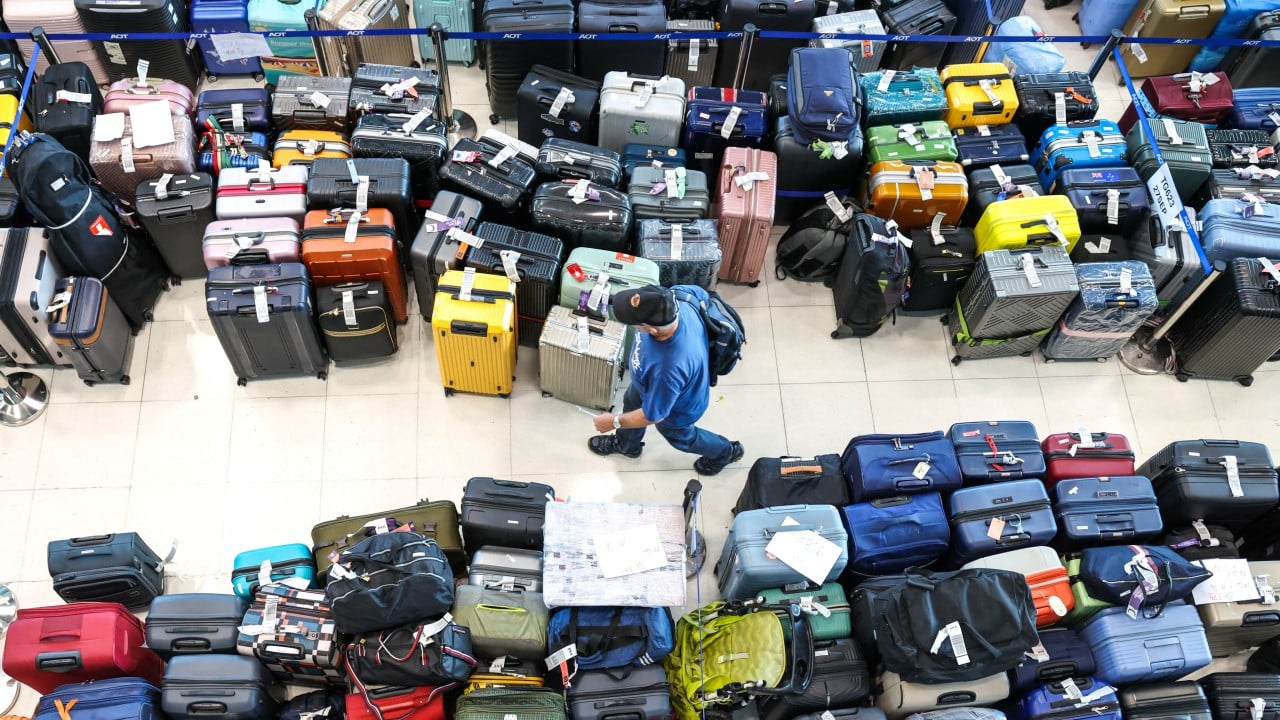
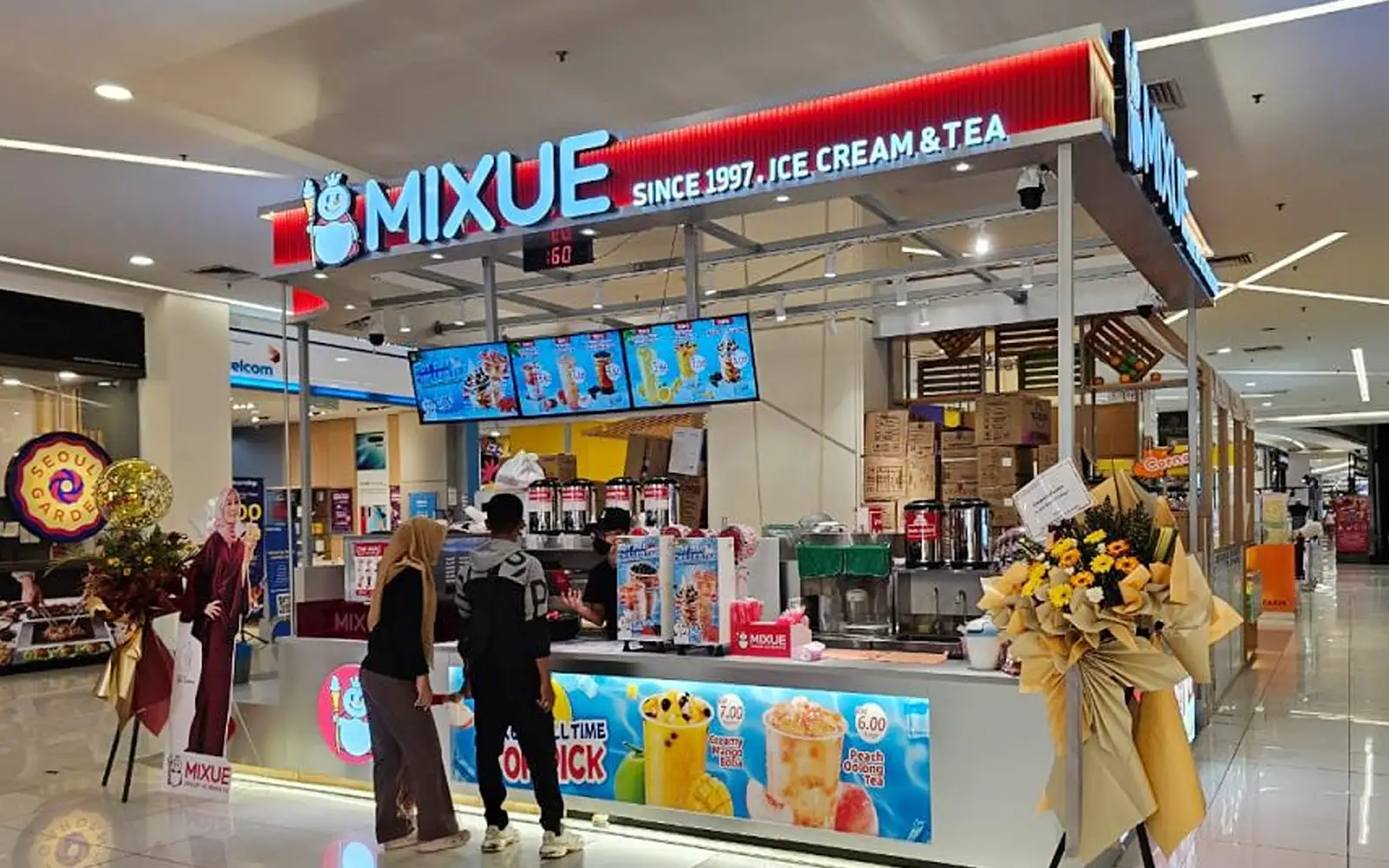
The surge of China-made products, particularly in food and beverage, electronics, and electric vehicles, poses a challenge to local PKS facing shrinking market share and declining revenues. A University of Malaya economist, Goh Lim Thye, pointed out that slower Chinese economic growth is pushing the country to seek foreign markets to boost profits.
Malaysia, with its open market, strong trade ties, and rapid development of the digital trade sector, has become an attractive destination for Chinese companies. Chandran warned that Malaysia's over-reliance on primary resources will weaken the nation's ability to build a developed economy and society. "We cannot build a developed society in that way.
There is no scientific breakthrough. We only sell a picture of a modern country by selling our resources," he said. Instead, Chandran argued that Malaysia should focus on high-value industries and develop a science-based industrial sector. He noted that Malaysia has long been dependent on commodities such as crude oil, tin, rubber, and petroleum, but primary resources cannot continue to be the main driver of the country's economy.
"If we take the example of oil and gas, Singapore consumes more than we do. Does it have more oil? No. But we don't add value to our resources," he added. According to Chandran, the same problem could occur in other low-value industries if Malaysia continues to export raw materials without developing a value-added industry. "Now we talk about low-value sectors, but where is the added value?
China used to export raw materials, but they stopped doing so. Instead, they chose to add value to the resource."
Written by urgent.news from Free Malaysia Today's reporting — not their text. Machine-written — may contain errors; check the original before relying on it.
Also reported by 1 other outlet
- Lindungi PKS tempatan daripada lambakan barangan asing, gesa badan pemikir freemalaysiatoday.com