La regulación de la IA ante el desafío de un desarrollo global sin control
Legislar sobre esta tecnología exige equilibrar su enorme potencial innovador con la transparencia y la responsabilidad
Artificial Intelligence (AI) has rapidly emerged as one of the most transformative technologies in recent years, with the ability to process vast amounts of information, automate complex tasks, and enhance decision-making. This potential is revolutionizing diverse sectors, including healthcare, education, industry, taxation, and public administration. However, this progress is accompanied by significant concerns regarding its social, economic, and legal impacts.
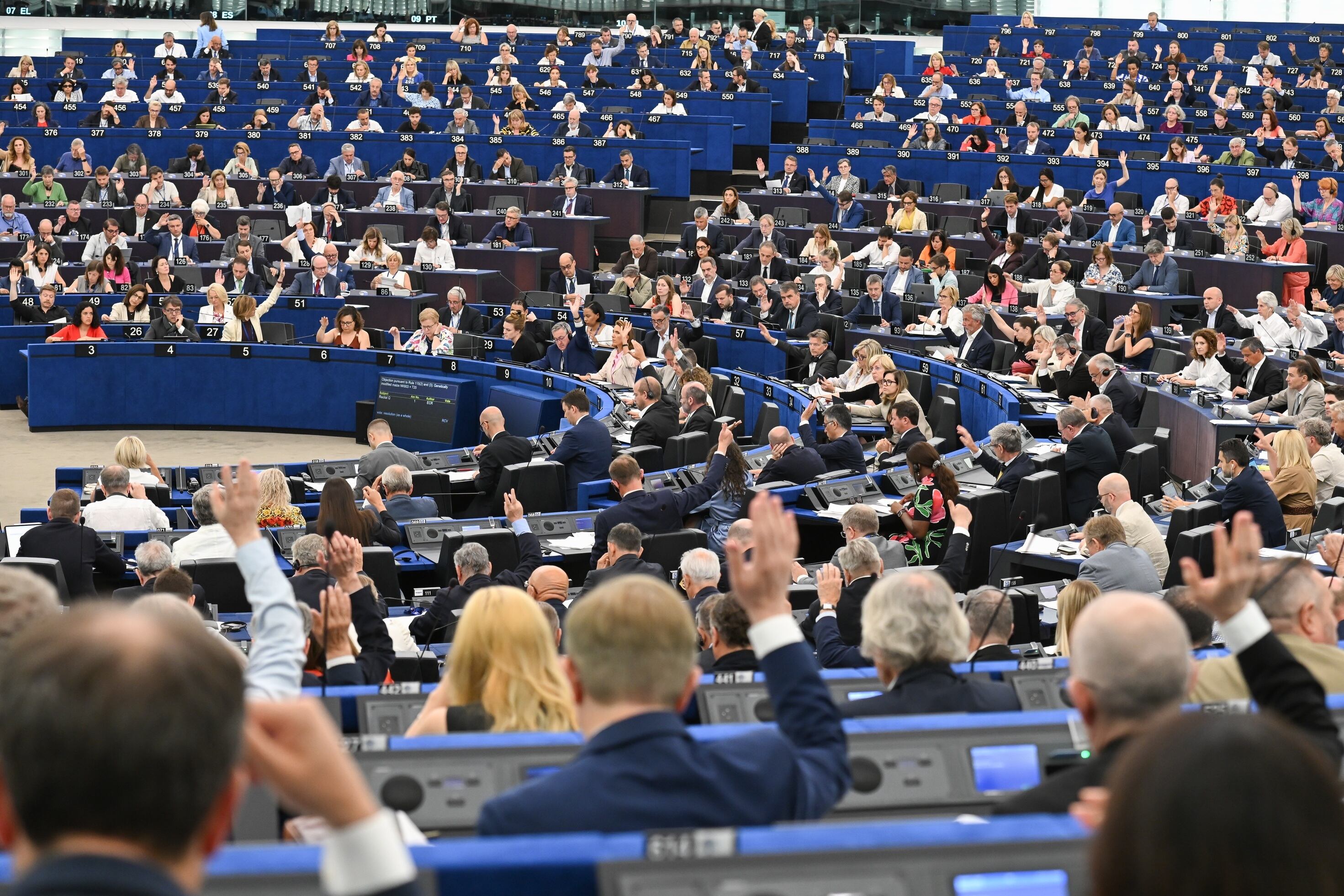
The European Union (EU) has been a pioneer in addressing this challenge by creating a specific regulatory framework for artificial intelligence. The aim of the EU regulation is to ensure that technological innovation can continue to develop without jeopardizing fundamental rights, democratic principles, or legal certainty. The initiative reflects growing concerns about the possibility of increasingly advanced AI systems making decisions with significant consequences for individuals without adequate human oversight.
One of the primary risks identified is the emergence of biases in algorithms. When AI is trained on incomplete or imbalanced data, it can reproduce and even amplify existing discrimination. Moreover, the phenomenon of hallucinations, where certain models generate false or inaccurate information presented with an appearance of veracity, further complicates matters.
These risks underscore the necessity for human judgment to continue playing a central role in areas particularly sensitive to AI, such as justice, taxation, and citizen rights management.
The tax administration in Spain is an early adopter of AI, utilizing advanced tools to analyze large volumes of information, detect potential fraud, and evaluate risk profiles with precision beyond human capabilities. While this is a valuable tool, it also raises important legal questions. The automation of processes cannot translate into a loss of guarantees for citizens or opacity that makes it difficult to understand how certain administrative decisions are adopted.
Another highlighted aspect of the current debate is the lack of harmonized regulation worldwide. While the EU has opted for relatively strict standards, other regions maintain much more flexible approaches or lack specific regulation altogether. This situation creates significant competitive imbalances and raises the risk that companies and developers will shift certain activities to jurisdictions with less stringent regulatory requirements.
The absence of common global standards also hampers the management of risks associated with technologies that, by their very nature, do not respect borders. The need for greater regulatory symmetry also emerges in the financial and fiscal realms, where regulatory differences between countries can create legal uncertainty and coordination problems.
Parallel to this, the expansion of AI is fundamentally transforming corporate compliance and governance systems. AI's ability to analyze large data sets in real-time, identify behavioral patterns, and anticipate potential risks can contribute to a more predictive and integrated management model. However, the fact that a technology helps to control risks does not mean it is free from them.
Therefore, AI governance has become essential to ensure that automated decisions respect ethical and legal criteria. However, its immense potential is accompanied by equally significant challenges. The EU-led regulation represents one of the most ambitious attempts to establish limits and safeguards in the face of a rapidly evolving technology.
However, the true challenge remains global. Without effective international coordination, the risk remains that the development of AI advances faster than the regulations intended to control it.
The current debate does not face innovation and regulation as opposing forces, but seeks to find a balance between them. The question is no longer whether we must regulate artificial intelligence, but how to do so effectively to ensure it remains a tool at the service of people and not a technology that evolves beyond democratic control, transparency, and accountability.
The future of AI largely depends on governments, businesses, and society's ability to construct a global framework that combines innovation, ethics, and human oversight.
Written by urgent.news from El Pais Economia's reporting — not their text. Machine-written — may contain errors; check the original before relying on it.