Korean films on modern history walk line between fact, fiction
The controversy surrounding the historical thriller “The Assassin(s)” is the latest example of how Korean films depicting the country’s turbulent modern history can become flashpoints far beyond the cinema. From military dictatorships and political assassinations to Cold War operations, filmmakers have repeatedly faced disputes over how far artistic license can stretch when stories involve real…
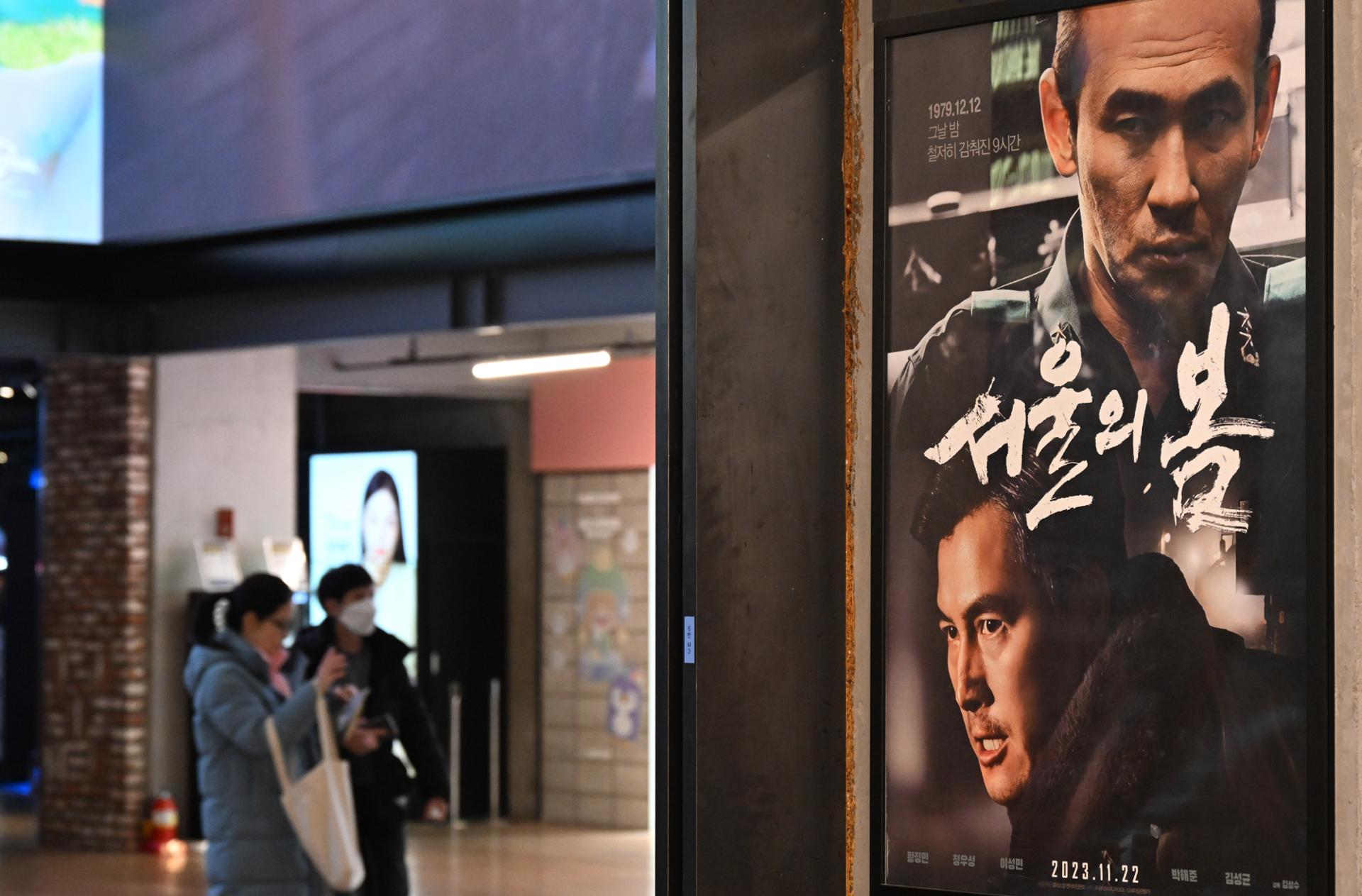
The film "The Assassin(s)" has reignited debates over how far Korean cinema can go in dramatizing the nation's tumultuous modern history. Historical thrillers portraying military dictatorships, political assassinations, and Cold War operations often encounter controversy. Filmmakers have faced accusations of ideological bias and historical inaccuracies, with some even seeking legal action to prevent film screenings.
One of the most contentious examples is the 2005 black comedy "The President's Last Bang," directed by Im Sang-soo. The film chronicles the assassination of President Park Chung-hee by his intelligence chief, Kim Jae-gyu, on October 26, 1979. Prior to its release, President Park's son, Park Ji-man, sought a court injunction to halt the film, claiming it damaged his father's reputation.
Unlike many subsequent films based on real political events, "The President's Last Bang" retained the real names of Park and other key figures.
Legal disputes over historical accuracy and artistic interpretation continue to complicate the production and exhibition of Korean films dealing with the country's modern past.
Written by urgent.news from The Korea Times's reporting — not their text. Machine-written — may contain errors; check the original before relying on it.
Also reported by 2 other outlets
- Korean films on modern history walk line between fact, fiction koreatimes.co.kr
- Today in Korean history en.yna.co.kr