Khalistan groups turn to jail networks to recruit operatives across north India: Intel
Intelligence agencies are investigating pro-Khalistan groups recruiting within jails across north India. A recently detained operative disclosed connections to key figures while serving in Patiala jail. Agency investigations now focus on dead-drop recruitment methods and funding channels used by these groups. An SFJ-backed operatives was arrested after graffiti incidents linked to Khalistan…
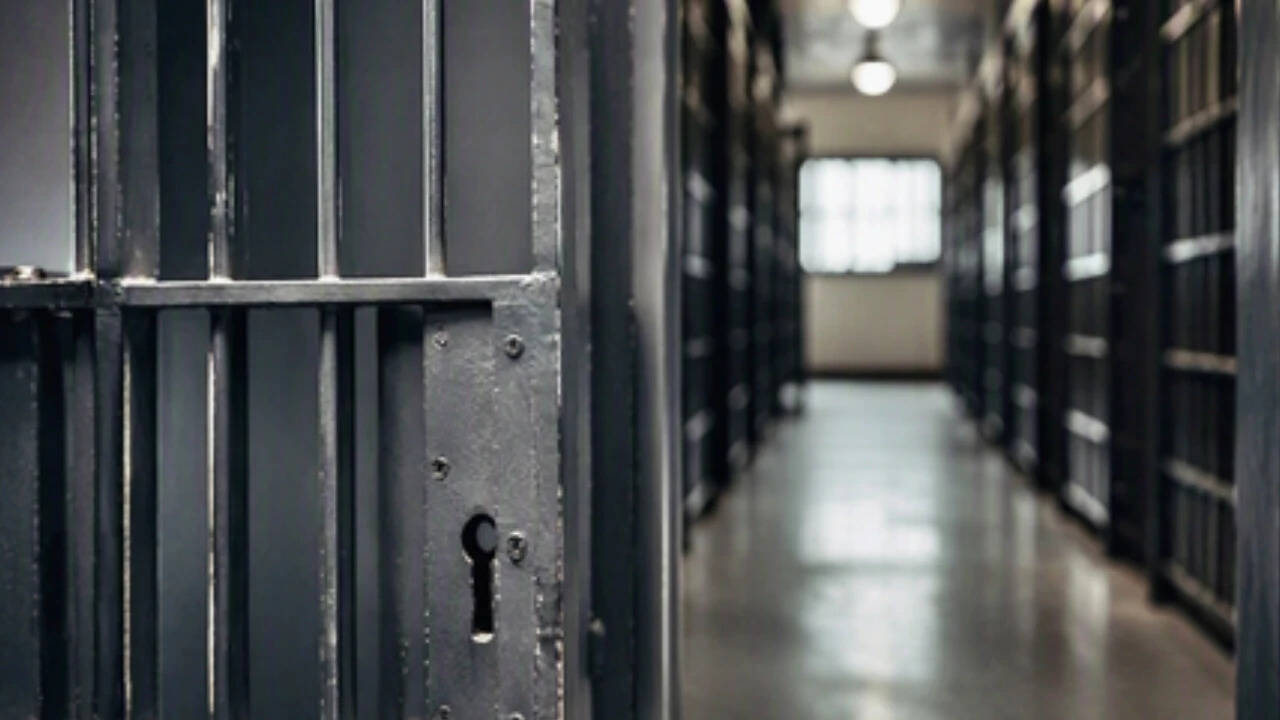
Intelligence agencies have uncovered a troubling trend among pro-Khalistan groups: their recruitment of operatives is increasingly taking place within Indian jail systems. A recently detained operative revealed that Gurpatwant Singh Pannun, a key figure in the movement, had contacted him while he was serving time in Patiala jail. This has prompted agencies to investigate the networks through which these groups recruit and supply operatives.
One major concern is the reliance on dead-drop methods, which allow foreign handlers to remain hidden while channeling funds, weapons, and other resources to their foot soldiers. These methods replace direct handovers with predetermined drop points along isolated highways and rural areas, often using drones or covert couriers to transport supplies. Communication occurs through encrypted messaging platforms, ensuring the handlers' identities remain concealed.
The tactic of using jail networks is not new, but its recent prominence is highlighted by incidents like the 2016 Nabha jailbreak. In such facilities, handlers and radicalized inmates target vulnerable prisoners - often first-time offenders or petty criminals without legal representation or financial support. They use these individuals to carry out their plans, providing them with contact information to coordinate future actions.
Recently, authorities dismantled an SFJ-backed module and arrested operative Preetpal Singh, who had previously spray-painted anti-Brics and pro-Khalistan graffiti across Delhi and Punjab. Singh had also sent a video to Pannun, revealing his involvement. In prison, Singh was given a phone number to contact Pannun and receive further instructions.
Upon his release in 2026, he reconnected with Pannun and received a substantial sum of money through a dead-drop location on the Faridkot-Amritsar highway. Singh then proceeded to recruit another inmate for a Delhi operation.
Written by urgent.news from Times of India's reporting — not their text. Machine-written — may contain errors; check the original before relying on it.