Kan i verste fall skade saken
Kontrollkomiteen på Stortinget vil være handlekraftig, men det kan vise seg å være en tabbe.
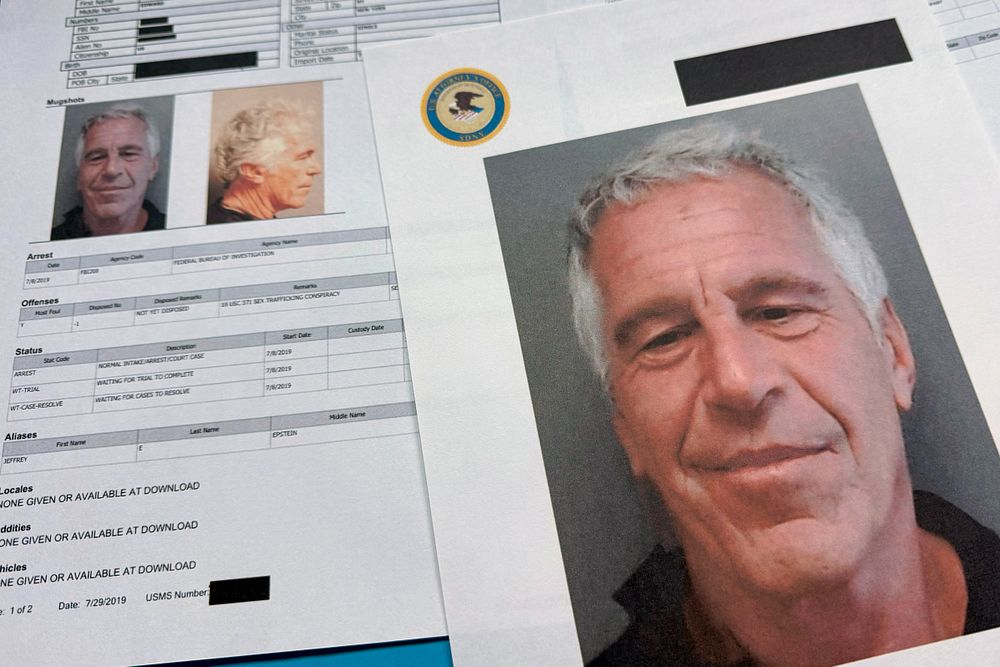
The American billionaire wove a tight web of powerful contacts from politics and business. He connected people, hosted dinners and invited them to vacations on his private island or luxury villa in Florida. He donated large sums to charity and spent time with the world's most influential people while simultaneously engaging in the systematic sexual abuse of underage women and girls, many of whom were minors.
He was a beast in private with an apparent abundance of money and power. Already in 2008, he was convicted, but he soon managed to return. However, the judgment remained for all who wished to find it. A quick internet search revealed connections to a series of Norwegian contacts and friends, suggesting their judicial strength. This applies to top diplomats Terje Rød-Larsen and Mona Juul, leader of the European Council Thorbjørn Jagland, former foreign minister and head of the World Economic Forum Børge Brende, and current Crown Princess Mette-Marit.
However, the oversight committee in the Storting is not there to evaluate people's private judgments. The committee's job is to oversee the government and administration. It is very difficult to understand what the Wednesday hearing at the Storting is supposed to find out. One reason is that the hearing comes so early - long before the committee has carried out thorough investigations.
Another reason is that many aspects of the so-called Epstein case simply do not fall within the committee's sphere of responsibility. For example, the question of personal judgment or private morality is typically not something the oversight committee in the Storting deals with. There are also suspicions of criminal behavior. Both Rød Larsen, Juul, and Jagland are under investigation by Økokrim (they have all denied wrongdoing).
Such traces should be investigated by the police, not the oversight committee. The final question relates to administration. Was there a culture of misconduct within the Ministry of Foreign Affairs? Were there reckless allocations, such as to the IPI institute under Terje Rød-Larsen? Or the even larger question: Has Norwegian foreign policy and aid policy used money wisely?
These are relevant questions for the oversight committee. However, the committee has not carried out thorough investigations before this hearing. Typically, hearings come after a committee has thoroughly examined an issue. They gather facts and information, make good progress in handling a matter, and then call responsible politicians to testify.
But in this case, the Storting is so impatient and eager that they begin the hearing before the committee has done its thorough investigation. This means it is unclear what they are actually supposed to scrutinize. At the same time, a fact-finding committee is dealing with exactly those thorough investigations. But it won't deliver until 2028.
This is much longer than the Gjørv committee was given after the 22nd July terrorist attack. Regardless, the Storting does not have the patience to wait for its own committee. There are good reasons for the Storting to look at the system in the aftermath of the Epstein case. There are questions of culture, allocations, and political priorities.
But there is little indication that the oversight committee is equipped to handle this on Wednesday this week. Perhaps the idea behind the hearings was that everyone had many questions, and the oversight committee would help provide answers. The result could easily be vague questions and even vaguer answers. Worse, if this hearing damages the ongoing process, politicians may get carried away by their emotions without knowing what they are shooting at.
In the worst case, such a frenzied process could undermine the fact-finding committee's work in an unfortunate way. In the worst case, politicians could get entangled in something that harms an ongoing investigation - something they have themselves acknowledged could be a risk. The alleged energy of politicians could make the real energy less effective in the future.
Written by urgent.news from E24 Norway's reporting — not their text. Machine-written — may contain errors; check the original before relying on it.