Jaco Muller turned his 15-year-old son’s idea into 197 rhino births
Founder’s Briefs: An occasional series where Mongabay founder Rhett Ayers Butler shares analysis, perspectives and story summaries. In 2022, poachers had taken 14 white rhinos from private farms in Namibia in six weeks, so owners started removing their horns. One cow had a horn 86 centimeters (34 inches) long. Jaco Muller said he was nearly […]
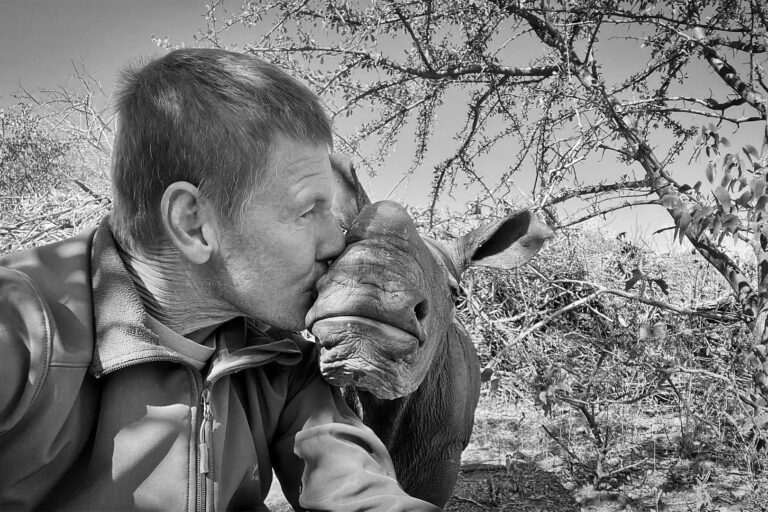
In 2022, poachers had taken 14 white rhinos from private farms in Namibia within a span of six weeks, prompting the owners to start removing their horns. Jaco Muller, one of the affected owners, expressed his emotional reaction to the dehorning of a cow with an 86 centimeter (34 inch) long horn, stating that it was for the animal's sake.
The dehorning initiative aimed to reduce the incentive for poachers to kill rhinos. For Muller, the sight of a dehorned rhino was preferable to finding a dead one. The idea of breeding rhinos came from his son, who was just 15 years old at the time and undertook the project as a school assignment. In 2010, Muller transformed the family's antelope-breeding operation into the Rhino Momma Project in Namibia's Kunene region.
He believed that by breeding more white rhinos (Ceratotherium simum), ensuring their security to reproduce, and subsequently replenishing populations across Africa, the species could be saved. To support this endeavor, Muller established a breeding program in partnership with the nonprofit Help Our Rhinos Now (HoRn). The first calf was born in 2013, and by 2025, the project had grown into one of Namibia's largest privately-run rhino-breeding operations.
In 2018, Muller inaugurated Kifaru Lodge, which generated revenue from tourists to help cover the costs of security and rhino care. Muller also advocated for the legalization of the rhino horn trade, arguing that prohibition allowed criminals to profit while farm owners and conservation groups shouldered the financial burden of security.
Written by urgent.news from Mongabay's reporting — not their text. Machine-written — may contain errors; check the original before relying on it.