I’ve spent my life defending Bihar. Jamui made it harder.
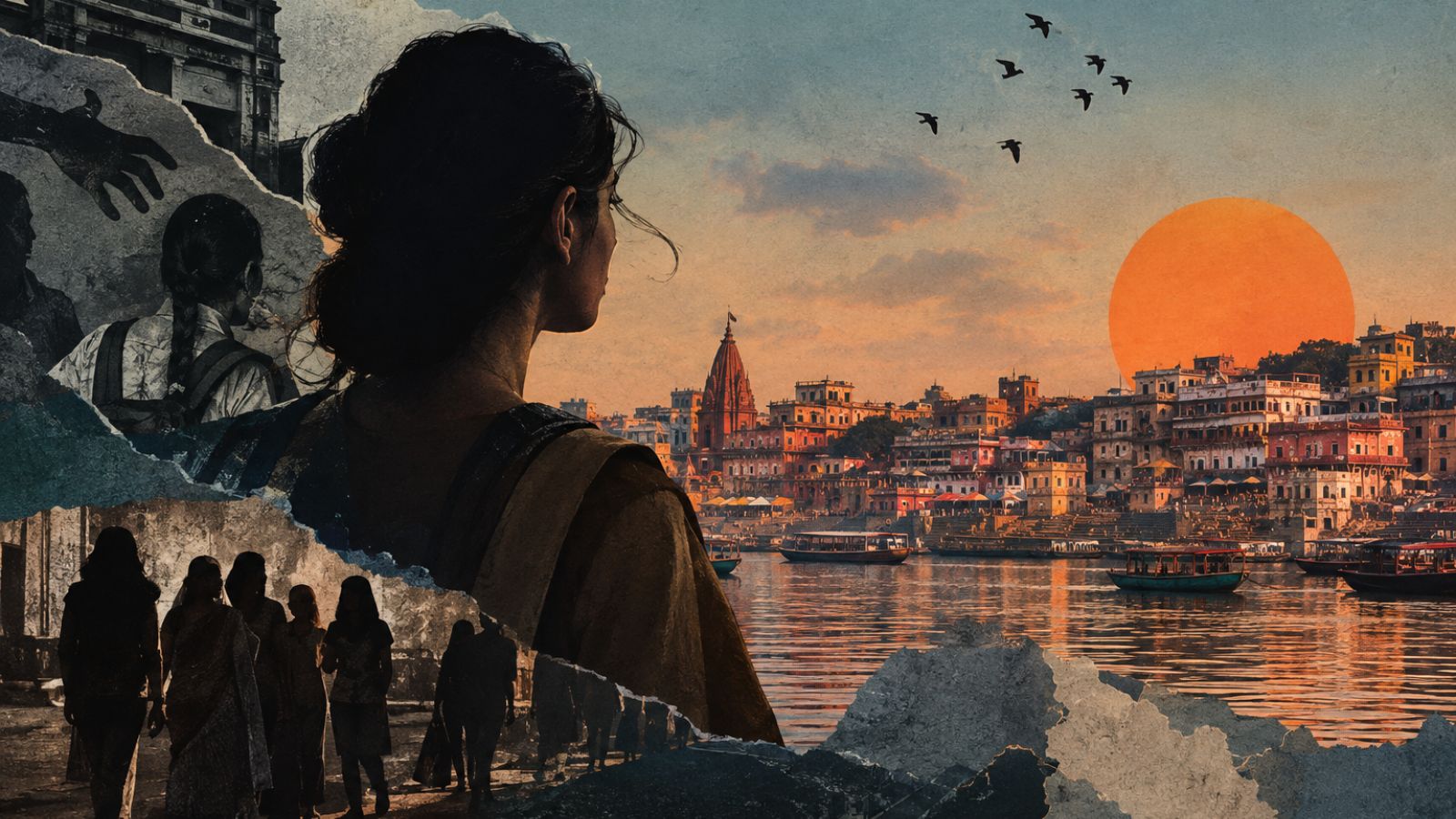
For years, I have defended Bihar to people who have never truly experienced it. The phrase "Bihari" has been used as an insult, and I've heard English speakers be surprised to learn that I don't fit the stereotype. My parents are migrants from Bihar, and the state has always been present in their lives through food, language, relatives, stories, and anxieties. Every time someone mocks the state, I am compelled to defend it.
However, the recent sexual assault case in Jamui has reminded me of the Bihar I know—a Bihar that is far from the caricature that people often present. I remember my parents warning me as a child to avoid wearing shorts outside our ancestral home in Patna, and how stories of girl abductions in broad daylight taught me to navigate the dangerous world outside.
While growing up, I heard warnings about where girls should go, who they could talk to, how late they could stay out, and what they should wear. These constant messages revolved around caste, family honor, patriarchy, and the policing of girls' safety.
When I see people in Jamui questioning a minor girl's presence with a boy in the evening or in a secluded location, I am not just angry; I am exhausted. This is the Bihar I have spent years defending, and the Bihar I have tried to distance myself from. The questions that arise after such a crime—where was she, who was she with, why was it so late—are infuriatingly familiar. These questions often reduce the crime to a footnote in the investigation of her choices, rather than focusing on the actual assault.
This type of reaction is not unique to Bihar or even India. Women across the country have had their clothes, relationships, drinking habits, friendships, commutes, and decisions scrutinized following an assault. However, the reactions to the Jamui case hit differently because they remind me of the world my parents tried to shield us from—a world where a girl's freedom is conditional upon how others perceive her.
My parents left Bihar to build lives elsewhere, but migration does not always mean leaving behind old social instincts. Many families carry familiar rules into their new homes, creating a strange kind of migration where one changes their pin code without altering the hierarchy within their households.
The problem lies not only in people still asking these questions in one specific village of Bihar but also in recognizing that I have heard these questions elsewhere as well. There is a strange contradiction when defending oneself from the stereotype of Biharis while simultaneously grappling with the reality that validates those stereotypes.
Despite efforts to move beyond such prejudices, discriminatory remarks from political leaders persist, and some even express a willingness to discriminate against individuals from Bihar and Uttar Pradesh in hiring decisions.
Every time I hear such sentiments, I am furious, but I also recognize that an entire state cannot be reduced to the actions of a few people. Millions of Biharis contribute to building cities through work, study, and business, and their identity should not become a shorthand for criminality, incompetence, or backwardness. When asked about the alleged nature of "Bihar ke log," I am confronted with anger at the stereotype's laziness, shame at its ugly truths, and guilt for inheriting responsibility for actions I did not commit.
Written by urgent.news from The Indian Express's reporting — not their text. Machine-written — may contain errors; check the original before relying on it.